
If you’re wondering how much it costs to replace an HVAC system, the short answer is usually between $5,000 and $18,500. The exact price depends on your home’s size, the type of system you choose, what you’re replacing, and where you live. On average, homeowners spend about $8,000 for a complete HVAC replacement, while swapping out just the AC or furnace can be less expensive.
To help you choose the right system for your home, this guide will provide you with information on when it might be time for a new system, factors that can affect the price, and what to expect during installation.
When to Replace Your HVAC System
HVAC systems are designed to last about 15 years, but you may need a new one sooner if it breaks down often or no longer keeps your home comfortable. Common signs it’s time for an HVAC replacement include:
- Frequent repairs
- Rising energy bills despite no change in usage
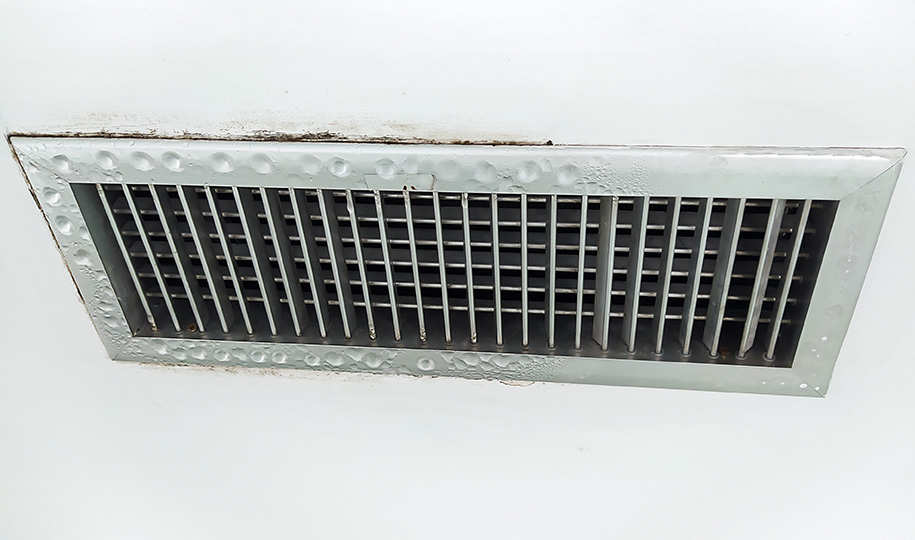
- Weak airflow from the vents
- Air that’s the wrong temperature (cool instead of warm, or vice versa)
- Unusual noises like grinding, squealing, or rattling
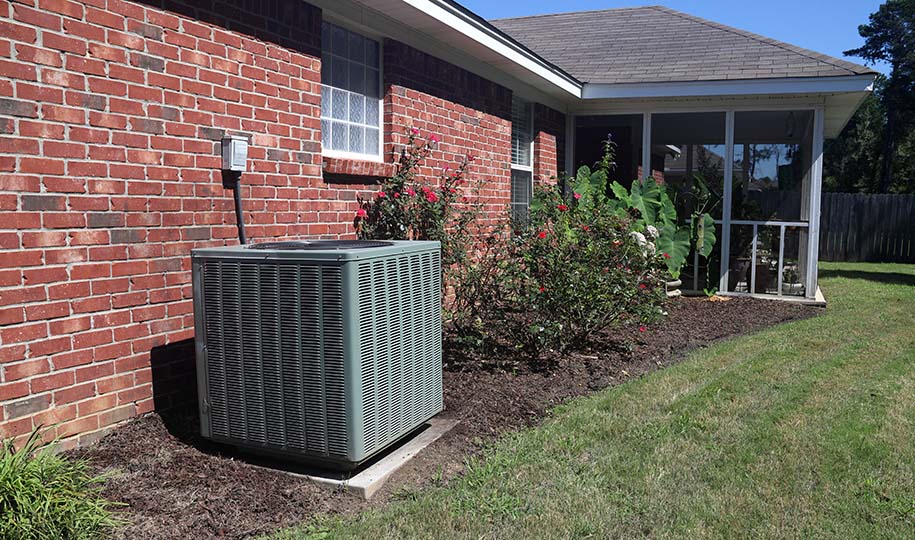
- Moisture or leaks around the outdoor unit or increased indoor humidity
If you’ve had multiple repairs in the past two years or the cost of fixing your system is close to half the price of a new unit, replacement is often the better investment.
How Much Does HVAC Replacement Cost?
The cost of replacing your HVAC system varies based on several factors, but here are typical price ranges:
- Complete HVAC replacement (heat and cooling): $5,000 to $18,500
- Central AC: $2,500 to $7,500
- Furnace: $2,000 to $5,400
- Heat pump: $3,800 to $8,200
- Mini-split system: $3,000 to $10,000
Labor typically accounts for about one-third of the total HVAC replacement cost. Prices also vary regionally.
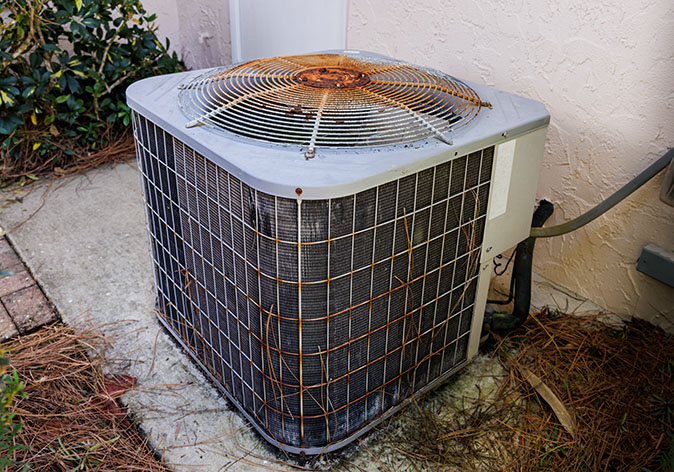
What Affects Your HVAC Replacement Cost?
Several factors impact how much it costs to replace an HVAC system, including:
1. Type of System
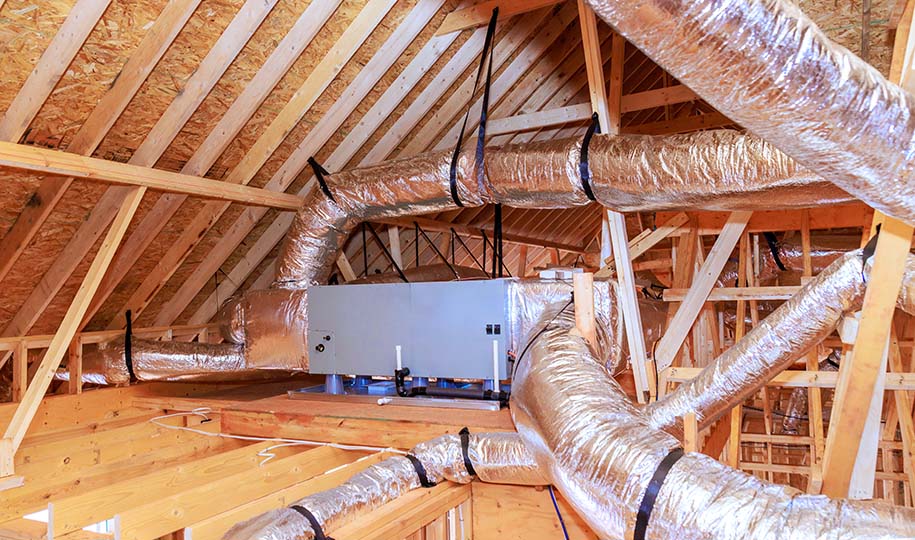
The type of system you currently have and what components you replace are major factors in the cost. Are you simply replacing your furnace or air conditioner, or are you swapping both for a heat pump? Do you have a central HVAC system that needs new ductwork, or are you replacing a ductless mini-split unit? Each comes with different installation needs and pricing.
2. System Size
The size of your home will be factored into the size of the HVAC system you need. A bigger home has greater heating and cooling needs, which means you’ll need a higher capacity HVAC system, and those typically cost more.
3. Fuel Type
While air conditioning is always powered by electricity, home heating units like a furnace or heat pump can use electricity or gas. Each type has its benefits, depending on where you live and the energy costs in your area.
- Electric furnace or heat pump: The equipment and installation are typically less expensive than equivalent gas systems.
- Natural gas or propane: More expensive equipment and installation, but may be better for heating in a cold climate, and can be less costly to operate.
4. Additional Work
If your home needs new electrical or gas connections or other modifications to accommodate the replacement equipment, these changes will add to your HVAC replacement cost.
5. Energy Efficiency
While a more efficient model may cost more upfront, it will likely save you money on utility bills in the long run. Depending on where you live, it may even earn you a tax break.
How Often Should You Replace Your HVAC System?
Air conditioners and heat pumps should last at least 10 years, while furnaces and boilers last 15 years or more, depending on usage, climate, and HVAC maintenance. Well-maintained units can last longer, but if your system is over a decade old and struggling, replacing it could improve comfort and efficiency while reducing your monthly energy bill.
How to Save on Long-term HVAC Costs
Choosing a unit with a high Seasonal Energy Efficiency Ratio (SEER) number is a good start. SEER is a rating that measures the energy efficiency of air conditioners and heat pumps over a full season, defined by the ratio of total cooling output to total energy input. A higher SEER rating indicates a more energy-efficient unit, which translates to lower energy bills and reduced environmental impact. While these units may be a little pricier upfront, they’ll likely save you money on your utility bills.
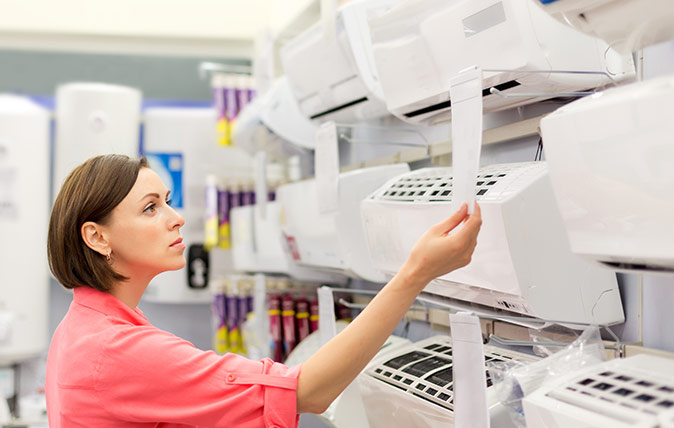
What to Expect During HVAC Replacement
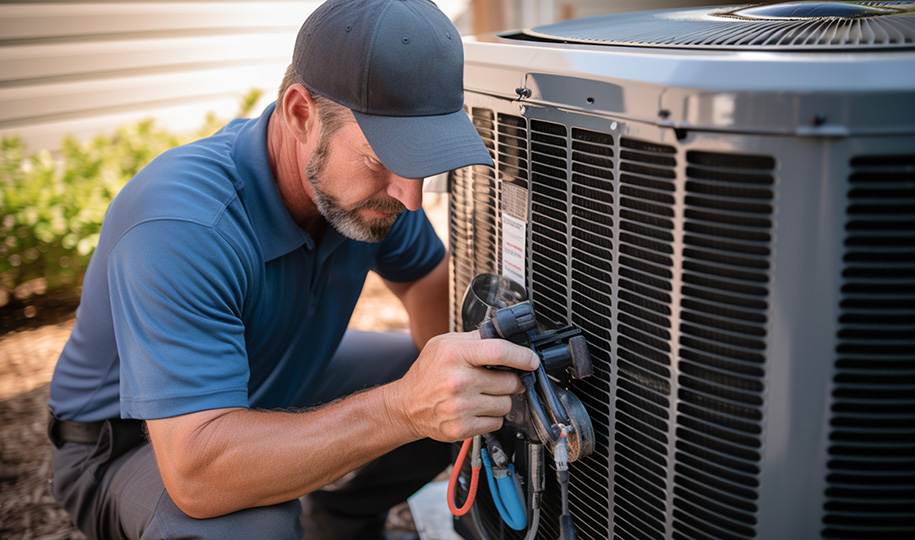
An HVAC replacement usually takes one to three days, depending on the size of the job. Your contractor will remove the old system, install the new unit or units, and connect them to existing ductwork or lines. Once installation is complete, they’ll test the system to make sure it’s running properly and review maintenance tips, so you know how to keep it in top shape.
Maintaining Your New HVAC System
Once your HVAC replacement is complete, protect your investment with regular upkeep:
- Change filters every 1 to 3 months
- Keep outdoor units free of debris
- Schedule professional tune-ups once or twice a year
- Seal windows and doors to maintain efficiency
How a Home Warranty Can Help with HVAC Replacement
An HVAC replacement is a big expense, but a home warranty from First American can help protect your budget when covered systems break down. If your covered heating or cooling system can’t be repaired, we’ll replace it.*
With First American, you also get access to a network of prescreened service providers for repairs and replacements. Plus, coverage extends to many other major home systems and appliances, so you can protect more than just your HVAC.
Get a free quote today to explore coverage options and see how First American Home Warranty can help you manage repair and replacement costs year-round.
*Please review the sample contract for specific coverage, terms, and limitations.
Cost data is from research and project costs reported by HomeGuide members. Items listed may be optional or not available on some home warranty plans.
The contents of this article are provided for general guidance only. First American Home Warranty does not assume any responsibility for losses or damages as a result of using this information.
Please be aware that if you disassemble a covered system or item, it can invalidate your home warranty or manufacturer's warranty.



Keep Reading



Home Care Buzz Experts
The First American Home Care Buzz team is made up of experienced home warranty writers and editors. Our team provides valuable insights and information to help homeowners like you meet the daily challenges of homeownership.
This article is about...