
7 Benefits of Water Softener Systems
APRIL 03, 2024 | Home Care Buzz Experts | 5 minute read
Indoor plumbing is a modern marvel that has improved people’s lives dramatically. From cleaning dishes, clothes, and ourselves to quenching our thirst, we can't do without fresh water and easy access to it. And while the water we enjoy in our homes is usually safe and clean, it often collects natural minerals on its journey to your home. That's where water softeners come in.
The benefits of water softeners center around making the water in our homes even healthier for us to use and consume. It can save you thousands of dollars in wear and tear to appliances, damage to fixtures, and energy costs for laundry. And while water softeners aren't strictly necessary to our daily lives, their advantages are often worth the cost and maintenance required.
If you’re planning to install a softener in your home or deciding whether to repair or replace a broken one, here are the top benefits of water softener systems and why they’re worth it.
Related: While water softeners can be covered by a home warranty, not all appliances and systems in a home can be. Check our list of what's not covered by a home warranty.
How Do Water Softeners Work?
To fully understand how a water softener benefits your home, you need to know how it works. As freshwater sits in aquifers, reservoirs, and lakes, it can collect minerals like calcium and magnesium from surrounding rocks and soil, making the water "hard."
Hard water scaling occurs when calcium and magnesium deposit in the water build-up, leaving residue in your home’s pipes and in appliances that use water. Hard water can make your skin feel extra dry or flaky after bathing and create mineral buildup in your hair that leaves it feeling dry and brittle. Hard water can even cause tap water to taste less than fresh.
An ion exchange water softener receives water through a pipe when it enters your home and uses an "ion exchange" to remove unwanted minerals. Calcium and magnesium are made of positively charged ions, but water softeners contain plastic or resin beads with negatively charged ions that attract the minerals, removing them and releasing sodium in their place. Then, the water passes out of the softener through a pipe that leads to the fixtures and water hookups in your home.
There are also reverse osmosis water softeners that filter minerals through a membrane rather than using an ion exchange.
Benefits of Water Softeners
1. Better-Tasting Drinking Water
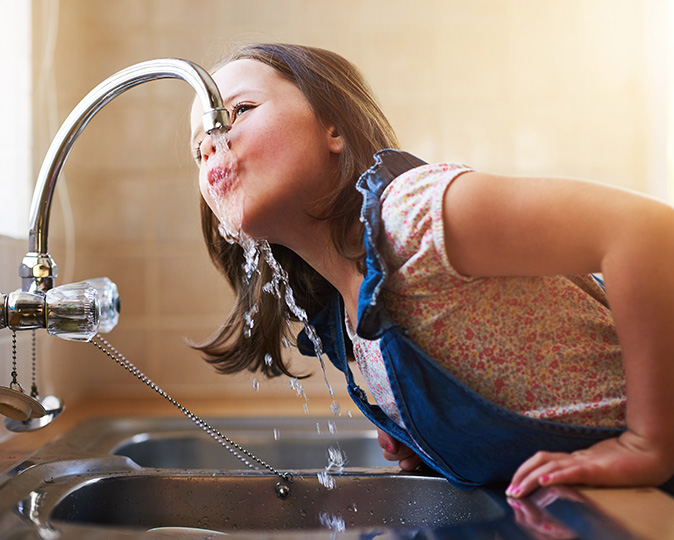
One of the biggest water softener advantages is better-tasting water. While the magnesium and calcium in freshwater sources aren't bad for you, they can add a slight aftertaste to your drinking water. Water softeners remove minerals that can change the taste of your water, giving it a more neutral taste. This process does, however, add a minuscule amount of salt to your water. Many people add either water filters or a reverse osmosis water softener to work with their regular unit to remove salt after softening the water.
2. Healthier Pipes
As hard water passes through the pipes in your home, minerals accumulate along the inside. After enough time, this buildup slows the water flow and can eventually clog the pipes, causing backflow in the opposite direction. The minerals that create scale can also rust or corrode most materials used in internal plumbing, leading to leaks or breaks.
Fixing water damage and replacing broken pipes can be expensive. That’s why one of the greatest water softener benefits is the savings you’ll reap from healthier — and longer-lasting — water pipes.
3. More Savings
Besides the water softener advantages that come with clearer pipes, there are additional financial benefits. Laundry detergent works much more effectively in soft water compared to hard water, meaning you can use around half the amount you would need for hard water. Hard water can also cause the colors of your clothes to fade and materials to degrade more quickly, so washing them in softer water means replacing clothing less often.
Plus, a water softener can also help save you money on your energy bills — mainly when operating your water heater. Since soft water moves through pipes faster, your water heater won't have to work as hard to distribute hot water throughout your home.
4. Healthier Skin
We previously mentioned that calcium and magnesium can cause a dry film called scale. Scale can be a nuisance on any surface in your home, but it can be detrimental to your skin. Scale dries out the skin by stripping it of its natural oils, making you feel itchy and uncomfortable after a shower and exacerbating skin conditions like eczema. This mineral film also blocks your pores, leading to clogged pores and acne. Hard water also makes it more difficult to thoroughly rinse soap off your body when you're in the tub or shower, which can worsen skin problems.
5. Softer Hair
Just as hard water can strip natural oils from your skin, it can do the same to your hair. A water softener benefits the quality of your hair immensely, preventing scale from forming on the individual strands and allowing moisture to penetrate your hair and scalp. Without a water softener, you may develop a case of dandruff or another skin condition on your scalp. Hard water can interfere with your shampoo’s ability to lather and can make it more difficult to rinse shampoo and conditioner from your hair. This creates a buildup that dulls your hair’s natural shine and makes it brittle. Plus, hard water can destroy hair follicles, resulting in frizzy hair or even hair breakage and loss.
6. Cleaner Dishes and Glassware
Hard water buildup doesn't just apply to hair and skin; the benefits of water softener systems also extend to your dishes and glassware, whether you use a dishwasher or wash by hand. Soft water makes rinsing dish soap much easier, ensuring that unpleasant soap residue doesn’t linger on your dishes. It also helps prevent scaling on your dishes and glassware — and can give them a gleaming sparkle without the need for rinse aid in your dishwasher.

7. Appliance Protection
Many home appliances use water lines in their everyday operation — including dishwashers, clothes washers, refrigerator water dispensers, and the beverage maker you use each morning. Like your pipes, mineral scale can form in these water lines, affecting the function and overall performance of these appliances and requiring intense, frequent scrubbing to descale and remove the buildup, or in some cases, replacing them. Soft water, on the other hand, keeps these appliances operating normally and can even extend the average life span of your appliances in some cases.
Pros and Cons of Salt-free Water Softeners
Despite their name, these devices aren't actually water softeners, but they provide significant water softener benefits. Water softening in these systems involves removing minerals that cause scale, like calcium and magnesium. A salt-free water softener conditions water, breaking down the minerals so they can't accumulate. Their primary use is to prevent scale from accumulating in your pipes to help prevent corrosion and rust, and they can be an excellent addition to an ion exchange water softener.
Is a Water Softener Worth It?
Once you understand how a water softener benefits your health and budget, you may decide that it’s worth it to install one in your home. If you do, be sure to protect your investment with home warranty coverage, which can also help safeguard many additional home appliances and systems you use every day. Learn more about water softener home warranty coverage and the peace of mind it provides.
The contents of this article are provided for general guidance only. First American Home Warranty does not assume any responsibility for losses or damages as a result of using this information.


Keep Reading






Home Care Buzz Experts
The First American Home Care Buzz team is made up of experienced home warranty writers and editors. Our team provides valuable insights and information to help homeowners like you meet the daily challenges of homeownership.
This article is about...