
Energy-Efficient Appliances: Worth the Investment?
DECEMBER 23, 2024 | Home Care Buzz Experts | 6 minute read
According to the U.S. Environmental Protection Agency, households that opt for energy-efficient appliances with the ENERGY STAR® rating can save up to $450 annually on energy costs while maintaining the quality and performance they expect.
In this article, we’ll explore the costs and benefits of investing in energy-efficient appliances and help you decide which ones might be right for you. Our comprehensive guide will help you make informed decisions about upgrading your home with energy-efficient technology. Plus, we’ll go over appliance home warranty coverage.
Understanding Energy-Efficient Appliances
Energy-efficient appliances are designed to use less energy to perform the same tasks as their traditional counterparts. They achieve this through advanced technologies and innovative features that minimize energy consumption without compromising performance.
For example, Energy Star appliances often include features like improved insulation, advanced compressors, and precision temperature control. These technologies help appliances use energy more effectively, reducing wastage and enhancing overall efficiency.
Benefits of Energy-Efficient Appliances
Cost Savings:
- Long-term financial savings on energy bills.
- Households that choose Energy Star-rated appliances may save approximately $450 annually.
- These savings accumulate over time, making energy-efficient appliances a smart financial choice.
Environmental Impact:
- Reduced carbon footprint and energy conservation.
- Decreased greenhouse gas emissions and lower demand for fossil fuels.
- Supports global environmental goals and promotes a healthier planet for future generations.
Performance:
- Improved appliance performance and life span.
- Energy-efficient refrigerators maintain more consistent temperatures.
- Energy-efficient washing machines use less water while cleaning clothes more effectively.
Costs and Considerations
Initial Investment:
- Energy-efficient appliances may have higher upfront costs compared to traditional appliances.
Rebates and Incentives:
- There are rebates, tax credits, and incentives available for purchasing energy-efficient appliances.
- These financial benefits can help offset the higher initial costs. It's essential to research and apply for these rebates and incentives through local, state, and federal programs.
Payback Period:
- Calculating the return on investment (ROI) is helpful when considering energy-efficient appliances.
- The payback period varies depending on the appliance and its usage. For example, an energy-efficient refrigerator might have a payback period of five years, while an energy-efficient water heater might have a shorter period.
- Over time, the savings on energy bills contribute to recovering the initial investment, leading to overall cost efficiency despite the upfront expense.
Additionally, energy-efficient appliances often come with improved durability and lower repair and replacement costs, adding to their long-term value and making them a wise investment for homeowners.
Top Energy-Efficient Appliances to Consider
Here are some top energy-efficient appliances to think about for various areas of your home:
Kitchen Appliances
- Refrigerators: Modern energy-efficient refrigerators use advanced technology to keep your food fresh while consuming less energy.
- Dishwashers: These dishwashers use less water and energy, making them both environmentally friendly and cost-effective.
- Ovens and stoves: Newer models heat up faster and maintain consistent temperatures with less energy.
Laundry Appliances
- Washing machines: These machines use less water and energy per load, translating to significant savings over time.
- Dryers: With features like moisture sensors and faster drying times, these dryers reduce energy usage and wear on your clothes.
Heating and Cooling
- HVAC systems: High-efficiency HVAC systems can drastically cut your heating and cooling costs by using less energy to maintain comfortable temperatures.
- Water heaters: These water heaters provide hot water on demand while consuming less energy, reducing your overall energy bills.
- Ceiling fans: Ceiling fans with energy-efficient motors can help circulate air more effectively, reducing the need for constant air conditioning.
Home Electronics
- Televisions: These TVs use advanced technology to deliver high-quality images with lower energy consumption.
- Computers and laptops: Modern computers and laptops are designed to perform better using less power.
When considering these upgrades, it's important to remember that not everything is covered by a home warranty. While many energy-efficient appliances come with warranties, you might need add-on coverage to protect against specific problems or components not included in standard warranties. This helps ensure you are fully protected and can enjoy the benefits of your energy-efficient appliances without unexpected repair costs.
How to Choose the Best Energy-Efficient Appliances
When considering energy-efficient home upgrades, selecting the right appliances is crucial. Here’s how to make the best choices:
Energy Star Rating
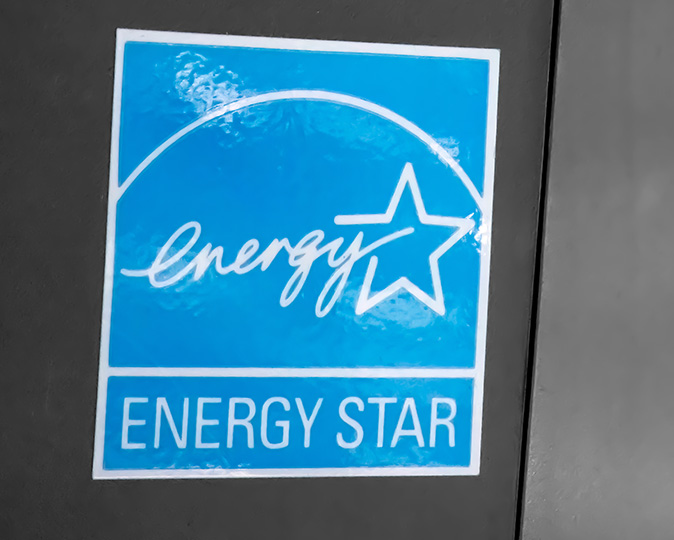
The Energy Star label is a key indicator of an appliance's energy efficiency. Appliances with this label meet strict energy-efficiency guidelines set by the U.S. Environmental Protection Agency, meaning they use less energy and can save you money on utility bills. Look for the Energy Star label when shopping for new appliances.
Key Features to Consider
- Advanced technology: Look for appliances that use innovative technologies to reduce energy consumption, such as variable-speed motors, moisture sensors, and improved insulation.
- Low standby power: Choose appliances with low standby power usage, which means they consume less energy when not in active use.
- Smart features: Smart appliances can be programmed to operate during off-peak energy times or controlled remotely to optimize energy use.
- Durability: High-quality construction and materials not only help ensure longer appliance lifespans and reduce the frequency of repairs and replacements.
Brands and Models
- Research reputable brands known for their commitment to energy efficiency. Brands like LG, Samsung, Whirlpool, and Bosch often have highly-rated, energy-efficient models.
- Read reviews and compare ratings on various models to find the best options that fit your needs and budget. Check out our Brand Appliance Guides to learn all you need to know in one place.
Additionally, it’s wise to add upgraded coverage to your home warranty plan to protect these valuable investments.
Maintenance and Proper Use
Proper maintenance and usage of energy-efficient appliances help ensure they deliver energy savings and perform optimally. Here are some top tips for home maintenance and best practices to help you get the most out of your energy-efficient appliances:
Maintaining Efficiency:
- Regular cleaning: Keep appliances clean to prevent dust and debris from hindering performance. For example, clean the coils on your refrigerator and the lint filter in your dryer.
- Timely servicing: Schedule regular maintenance checks for appliances like water heaters and systems like your HVAC to make sure they are running efficiently. This can help identify and fix problems before they turn into major repairs.
- Proper ventilation: Ensure appliances like refrigerators and dryers have adequate ventilation. Blocked vents can cause appliances to work harder, using more energy. Improper ventilation can also be a fire hazard.
- Seal checks: Regularly check seals on doors of refrigerators, ovens, and dishwashers to make sure they are tight and not allowing energy to escape.
Optimal Use:
- Full loads: Run dishwashers and washing machines with full loads whenever possible to maximize efficiency. Avoid running these appliances for small loads, as it wastes energy and water.
- Energy-saving settings: Utilize energy-saving modes and settings on your appliances. Many energy-efficient appliances come with features designed to minimize energy consumption.
- Off-peak usage: Use appliances during off-peak energy times, especially if your utility provider offers time-of-use rates. This can help reduce energy costs and ease the load on the power grid.
- Smart scheduling: For smart appliances, schedule them to operate when energy demand is lower or use remote-control features to manage their operation efficiently.
Ready to Make the Switch?
Upgrading to energy-efficient appliances is a smart investment that pays off in both cost savings and environmental impact. By choosing appliances with the Energy Star label, you can reduce energy bills, contribute to a healthier planet, and enjoy improved performance and durability. Explore available rebates and incentives to offset initial costs and consider adding upgraded coverage to your home warranty for extra protection.
If you decide to upgrade, it might be time to invest in home warranty coverage to protect your investment. Coverage from First American Home Warranty can help with unexpected repair or replacement costs for your new energy-efficient appliances if they break unexpectedly.
If you have questions about home warranties, it's important to understand how the service process works and what options are available to you. Investing in energy-efficient appliances and ensuring they are covered in your plan can provide peace of mind and long-term savings.
Get a quote today. to see how much you can save and start enjoying the benefits of energy efficiency in your home.
The contents of this article are provided for general guidance only. First American Home Warranty does not assume any responsibility for losses or damages as a result of using this information.
Please be aware that if you disassemble a covered system or item, it can invalidate your home warranty or manufacturer's warranty.



Keep Reading




Home Care Buzz Experts
The First American Home Care Buzz team is made up of experienced home warranty writers and editors. Our team provides valuable insights and information to help homeowners like you meet the daily challenges of homeownership.
This article is about...