
5 Reasons Your Refrigerator Is Not Getting Cold
SEPTEMBER 01, 2023 | Home Care Buzz Experts | 7 minute read
Is your refrigerator giving you the cold shoulder? It can be quite frustrating to open the door and find warm milk or spoiled leftovers. Don't worry, though! We're here to help you troubleshoot the issue and get your refrigerator back to its cooling glory. In this guide, we'll explore the common reasons behind a fridge not cooling and provide valuable tips to help you solve the problem. So, let's roll up our sleeves and dive right in.
The Fridge Isn't Cooling, But...
Let's address a few scenarios where your fridge might not be cooling correctly, yet some other components seem to be working fine. Let's get started with what to do if the light inside the refrigerator is on and the freezer is still freezing items properly, you may encounter the following issues:
1. The Fridge Isn't Cooling, But the Light Is On
Let's say when you open the fridge door, the light comes on as usual. However, you notice that the temperature inside is warmer than it should be. In this case, the issue might be related to the thermostat or the cooling system, rather than a power problem. Here are some steps to take:
- Check the thermostat setting and ensure it is set to the optimal cooling temperature.
- Make sure any items inside the fridge do not obstruct the thermostat.
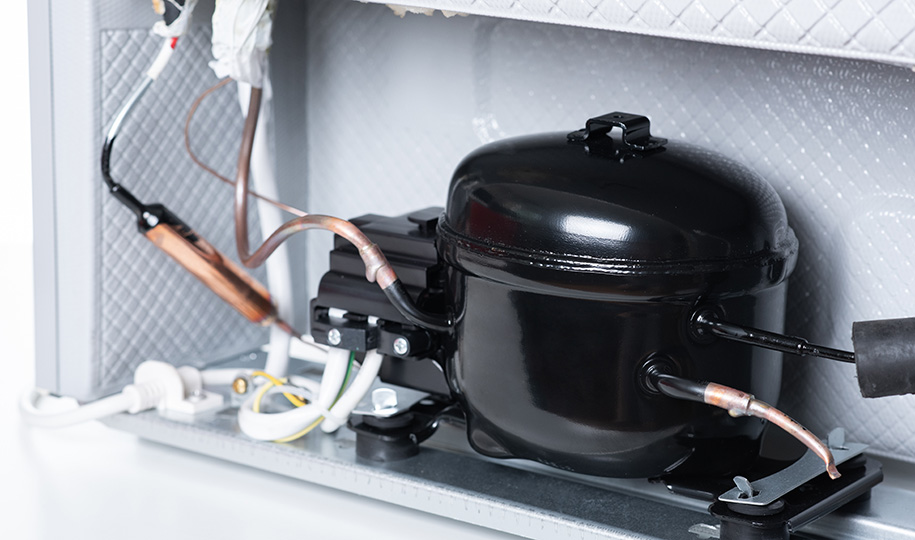
- If the thermostat is functioning correctly, inspect the cooling system components such as the condenser fan, evaporator fan, and compressor for any signs of malfunction.
2. The Fridge Isn't Cooling, But the Freezer Works
You go to grab some ice cream from the freezer, and it's perfectly frozen. But when you check the fridge compartment, it's not as cold as it should be. This could indicate a problem with the airflow between the freezer and fridge sections. The culprit might be a blocked air vent or a malfunctioning damper control. Try troubleshooting the issue with the following steps:
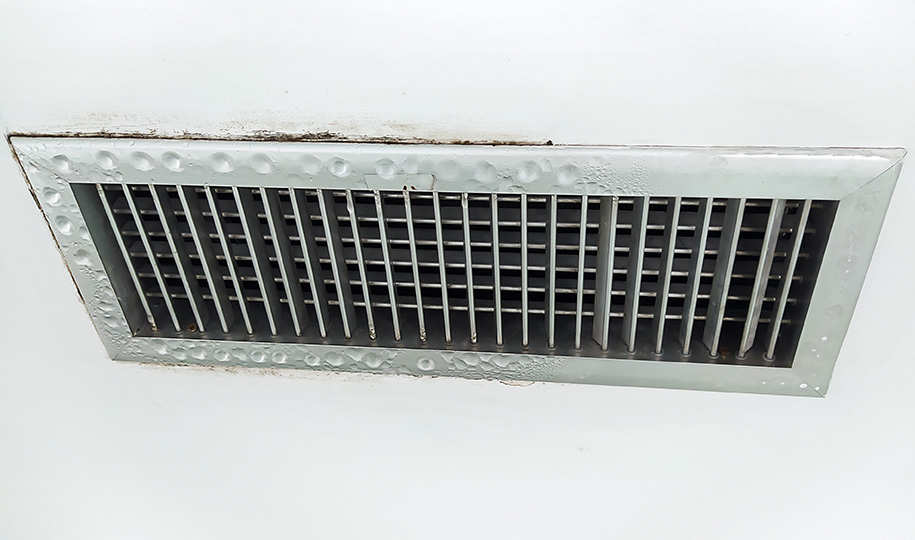
- Check for any blockage in the air vents between the freezer and fridge compartments. Clear any ice or debris that may be obstructing the airflow.
- Ensure that the damper control, which regulates the airflow between the freezer and fridge, is functioning correctly. It may need to be cleaned or replaced if it's not opening or closing correctly.
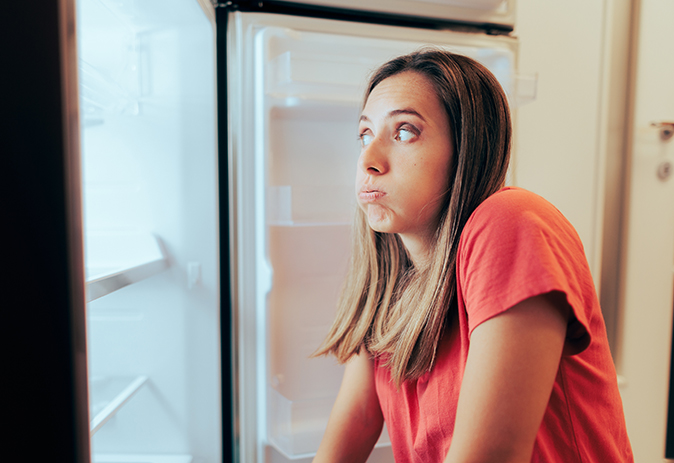
3. The Fridge Isn't Cooling, But the Fan Is Running
When you listen carefully, you can hear the gentle hum of the fan inside your fridge. This suggests that the fan motor is functioning correctly. However, despite the fan running, the fridge isn't cooling. Here are two underlying causes you should check that can affect the cooling system:
- Checking if the fan is blowing air properly. If not, it may indicate a faulty fan motor that needs to be replaced.
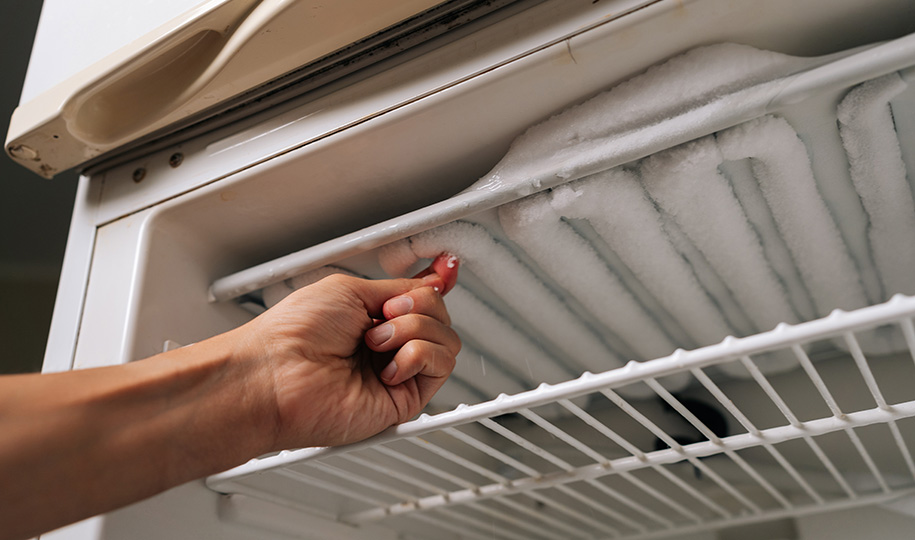
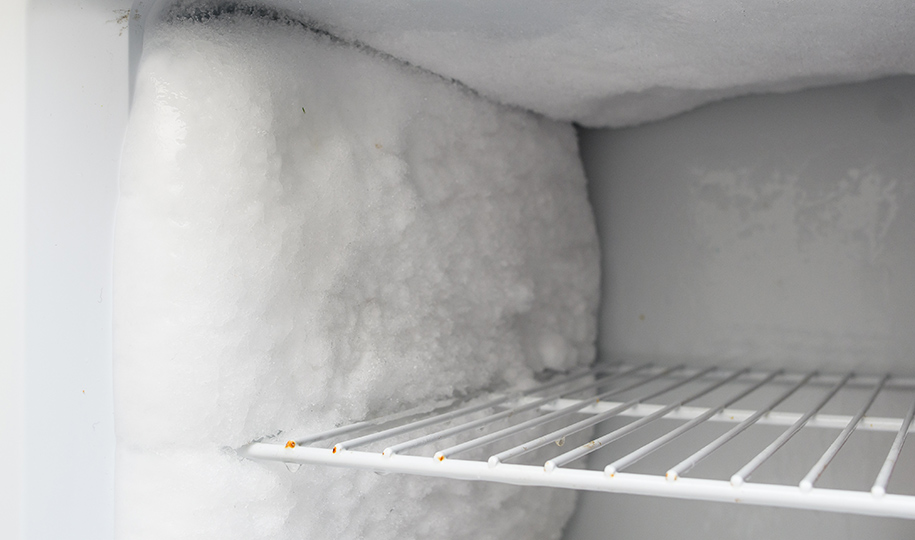
- Inspecting the evaporator coils for any frost or ice buildup. Excessive frost can hinder proper cooling and may require defrosting.
4. The Fridge Isn't Cooling, But the Compressor Is Running:
You've checked the back of the refrigerator, and the compressor, the heart of the cooling system, is running smoothly. Despite this, the fridge isn't cooling as it should. Here are some other things to check:
- Clean the condenser coils if they are dirty or covered in dust. Dirty coils can cause poor cooling efficiency.
Note: Some refrigerator models may require a professional to reach the condenser coils. - Inspect the evaporator coils for frost or ice buildup. If excessive frost is present, the coils may need to be defrosted.
- Check the temperature control thermostat to ensure it is functioning correctly. Replace it if necessary.
5. The Fridge Isn't Cooling, But the Condenser Coils Are Clean
You've diligently cleaned the condenser coils if they're accessible, ensuring no dust or debris is hindering their performance. Yet, despite your efforts, the refrigerator still fails to cool properly. This could be because the condenser fan is not functioning as it should. To check, try the following steps:
- Verify that the condenser fan, responsible for circulating air over the condenser coils, is functioning properly. Replace the fan if it's not running.
- Check for any blockage in the air vents around the condenser coils. Clear away any debris or dust that may be impeding airflow.
Even when some components are working, your refrigerator can still run into issues that cause it not to cool properly. By exploring the situations mentioned above and following the tips provided, you may be able to restore your fridge's functionality all on your own.
Other Troubleshooting Tips When Your Refrigerator Isn't Cooling
If the issue persists after inspecting the components mentioned above, it may be time to try some other troubleshooting tips for a fridge that's not getting cold. Some of these include:
Adjust the Thermostat Setting
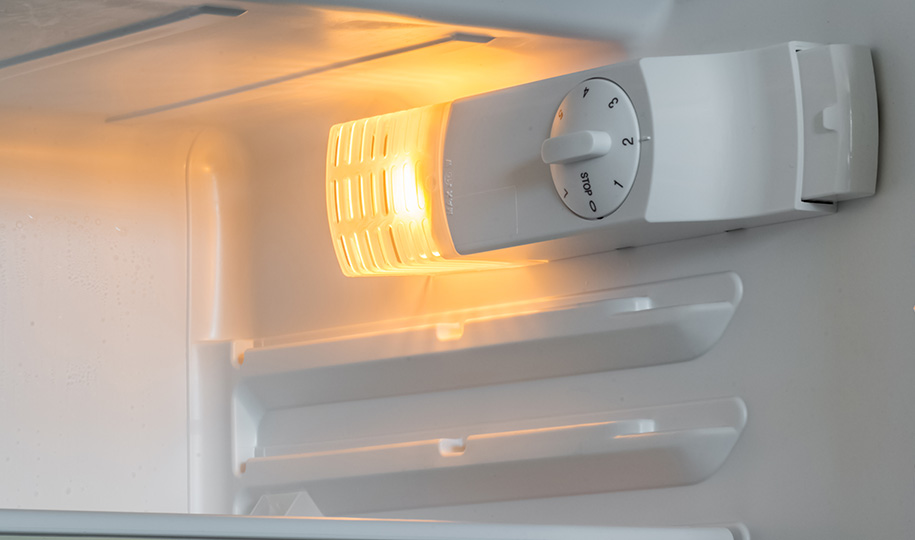
The thermostat setting plays a crucial role in maintaining the desired temperature in your fridge. The thermostat may have been accidentally adjusted, causing the temperature to rise. Look for the thermostat dial or control, typically located inside the fridge, and make sure it is set to the optimal cooling temperature, usually between 35°F and 38°F (1.7°C to 3.3°C). Then give it some time to reach the new setting.
Protect Thermostat Settings
If you have an older model, have you ever noticed items in your fridge leaning against the thermostat dial? It can be a common occurrence that will interfere with the proper functioning of your refrigerator. Ensure that the thermostat is free from any obstructions and that it can accurately detect the temperature inside.
Optimal Fridge Placement
The placement of your refrigerator can have a significant impact on its cooling performance. Is your fridge too close to a heat source such as a stove or a direct sunlight window? If so, it might be working harder than necessary to stay cool. Consider relocating it to a cooler spot in your kitchen and leaving some space around the appliance for proper air circulation.
Test Door Seals
The rubber door seals, also known as gaskets, keep the cold air inside the refrigerator and prevent warm air from seeping in. Over time, these seals can become worn or damaged, leading to air leaks and compromised cooling performance. To test the integrity of the door seals, try the good old dollar bill trick. Close the door on a dollar bill and then try to pull it out. If you can easily remove it, it's time to replace the gaskets.
When All Else Fails: Consult Your User's Manual
If you've exhausted all your options, the answer to a refrigerator not getting cold may lie within the manufacturer's manual. Often overlooked, the manual provides valuable information about your specific refrigerator model, including troubleshooting tips and maintenance recommendations. Take some time to read through the manual and see if there are any specific instructions or steps you can follow to diagnose and fix a warm refrigerator.
Interested in other refrigerator maintenance tips? Check out A Guide for Cleaning Your Refrigerator Water Dispenser and Guide to Refrigerator Maintenance 101.
Keep It Cool with First American Home Warranty
At First American Home Warranty, we understand that unexpected appliance breakdowns can be a hassle, especially when it comes to essential appliances like your refrigerator. That's why we're here to provide you with peace of mind and keep things cool in your home. With our comprehensive Refrigerator Home Warranty Coverage, you can rest easy knowing that if your fridge breaks, we have you covered.
When your refrigerator is not cooling properly, it can lead to spoiled food and inconvenience for your household. But with a First American Home Warranty that includes refrigerator coverage, you don't have to worry about the hassle of finding a reliable repair service. Our home warranty plans are designed to protect you from unexpected expenses by providing coverage for a wide range of appliances and systems, including refrigerators when they break.
With our network of trusted service technicians, we make it easy for you to request a repair service if your fridge isn’t working. Our experienced professionals will diagnose the problem, provide expert solutions, and repair the covered issue or replace your fridge.*
We understand that a functioning fridge is crucial for the smooth running of your household, and we aim to minimize any disruptions to your daily routine.
So, whether it's a faulty thermostat, a malfunctioning compressor, or any other cooling issue, you can rely on First American's Home Appliance Warranty Coverage to help keep your fridge running smoothly. Don't let unexpected breakdowns leave you hot under the collar — keep your (and your fridge’s) cool by choosing First American Home Warranty for reliable coverage and expert assistance when you need it most.
FAQs
What is the ideal temperature for a refrigerator?
The optimal temperature range for a refrigerator is usually between 35°F and 38°F. Keeping the temperature within this range helps to preserve the freshness and quality of your food.
How often should I clean the coils on the back of my refrigerator?
It's good practice to clean the coils at least twice a year. Dust and debris can accumulate on the coils, hindering the refrigerator's cooling efficiency. Cleaning them helps maintain proper airflow and improves energy efficiency.
Can a refrigerator be too full?
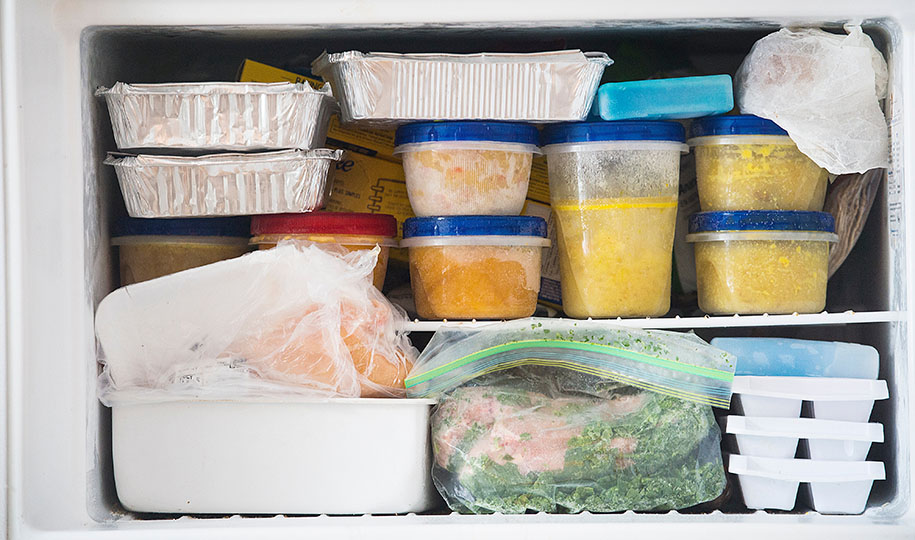
Yes, overstuffing your refrigerator can affect cooling performance. Make sure you leave enough space around the refrigerator to ensure proper air circulation and optimum cooling.
How long does it take for a fridge to cool down?
It depends on the temperature of the room and how much food is in the fridge, but it usually takes a full 24 hours for a refrigerator to reach its optimal temperature. Always give your fridge some time to cool down after installation or after adjusting the thermostat setting.
*If we can’t repair an item, we will replace it. Repair or replacement of covered items will only be completed when parts are available. Please read your contract for specific coverage and limitations.
The contents of this article are provided for general guidance only. First American Home Warranty does not assume any responsibility for losses or damages as a result of using this information.
Please be aware that if you disassemble a covered system or item, it can invalidate your home warranty or manufacturer's warranty.


Keep Reading

Home Care Buzz Experts
The First American Home Care Buzz team is made up of experienced home warranty writers and editors. Our team provides valuable insights and information to help homeowners like you meet the daily challenges of homeownership.
This article is about...