
AC Covers for Winter: When to Use One and When Not to
NOVEMBER 04, 2026 | Home Care Buzz Experts | 7 minute read
Blog Summary
Typically, outdoor AC units don't need a winter cover. They’re built to withstand rain, snow, ice, and freezing temperatures.
Be wary of solid covers. They can trap moisture that leads to rusting or corrosion, restrict air flow, and give pests a place to shelter.
Using a breathable cover can provide adequate protection for AC units and help prevent falling debris.
As winter arrives, your attention naturally shifts from cooling to heating. That often means covering pipes, pools, hot tubs, and other outdoor elements for added protection. But what about your outdoor AC unit? Many homeowners wonder if they should cover it in the wintertime to shield it from snow, ice, and freezing winds.
While it may seem like a smart way to protect such an essential part of your home, covering your AC unit is not necessary most of the time — and can sometimes cause more harm than good. Knowing how your system is designed, when a cover might be helpful, and what maintenance it really needs can help you avoid costly mistakes.
Should You Cover Your AC in the Winter?
In general, you should not cover your outdoor AC unit during the winter, also called the condenser, during the winter. Most HVAC professionals agree that covers are unnecessary for outdoor AC units. That’s because outdoor AC units are built to withstand exposure to rain, snow, ice, and freezing temperatures. The durable materials they are built with, and their protective coatings or finishes, help them withstand changing weather conditions throughout the year.
However, there are exceptions. If your AC unit is exposed to falling leaves, branches, or ice from a nearby roofline, limited protection may be beneficial. The type of cover you use — and when you use it — makes a difference.
What Happens if You Use an AC Cover for Winter?
Although covering your outdoor AC unit may seem protective, a solid cover, particularly one made from plastic or another non-breathable material, can introduce problems.
Potential risks include:
- Trapped moisture: A tightly fitted cover can prevent moisture from evaporating, increasing the risk of rust and corrosion on metal components.
- Restricted airflow: Covers that block ventilation can prevent moisture from escaping and create damp conditions inside the unit.
- Mold and mildew: Moisture trapped beneath a cover can encourage mold and mildew growth.
- Pest infestations: A covered AC unit can provide shelter for mice and other small animals. Rodents may damage wiring or other components.
- Accidental operation: Running an AC unit with its cover attached can restrict airflow, cause overheating, and potentially damage the equipment.
- Manufacturer warranty concerns: Some manufacturers discourage using solid, non-breathable covers, and the damage caused by improper covering may not be covered under the manufacturer's warranty.
When Is It OK to Use an AC Cover?
Although most outdoor AC units don't need winter covers, there are situations where limited protection may be helpful.
During fall: If your AC unit sits beneath trees, a breathable mesh cover placed over the top may help keep falling leaves, twigs, and other debris from collecting inside. Always remember to remove the cover before operating the unit.
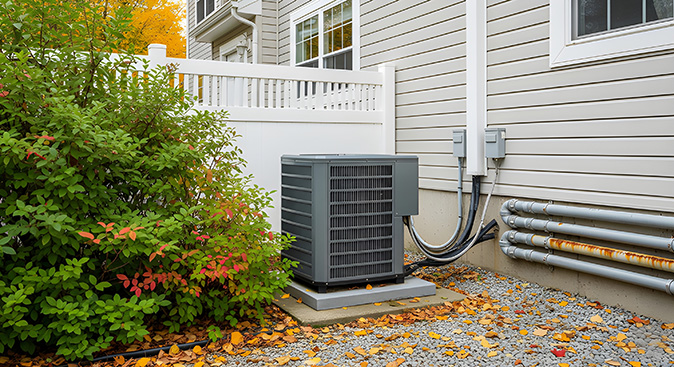
In areas with heavy snow or ice: If falling icicles or snow from a roofline could damage your AC unit, a manufacturer-approved top cover or protective guard may help. Avoid covering the entire unit and consult an HVAC professional about the right level of protection.
Related: 4-Step Guide to Fixing a Frozen AC Unit
In warmer climates: Homeowners in regions with mild winters generally have less need for seasonal AC protection. Keeping the outdoor unit clear of leaves, vegetation, and debris is usually sufficient.
Breathable vs. Non-Breathable AC Covers
If you decide to use a cover, choosing the right material and limiting how much of the unit you cover is important.
Breathable mesh covers allow moisture to escape and can help prevent debris from entering the unit. Solid plastic or vinyl covers, particularly those that wrap around the entire unit, can trap moisture and increase the risk of corrosion.
For most homeowners, a partial cover designed for the specific equipment is preferable to a fully enclosed cover. Always follow your specific unit’s manufacturer's recommendations.
Should You Cover a Heat Pump in Winter?
No. That’s because, unlike a traditional central air conditioner, a heat pump provides both heating and cooling. That means its outdoor unit may run throughout winter, even when temperatures fall below freezing.
Never cover an operating heat pump. Covering the outdoor unit can restrict airflow, interfere with normal operation, and potentially damage the system.
Heat pumps are also built with an automatic defrost cycle to remove frost that can accumulate on outdoor coils during cold weather. However, some maintenance for your outdoor unit is important. You should inspect the unit regularly and clear off any heavy snow, leaves, and other debris to help maintain proper airflow.
If you notice excessive ice buildup or your heat pump isn't heating properly, contact an HVAC professional rather than attempting to remove heavy layers of ice from the equipment yourself.
Related: Find out ways to deal with a frozen AC unit
Covering a Window AC Unit
Unlike central air conditioning systems, window AC units often benefit from additional winter protection.
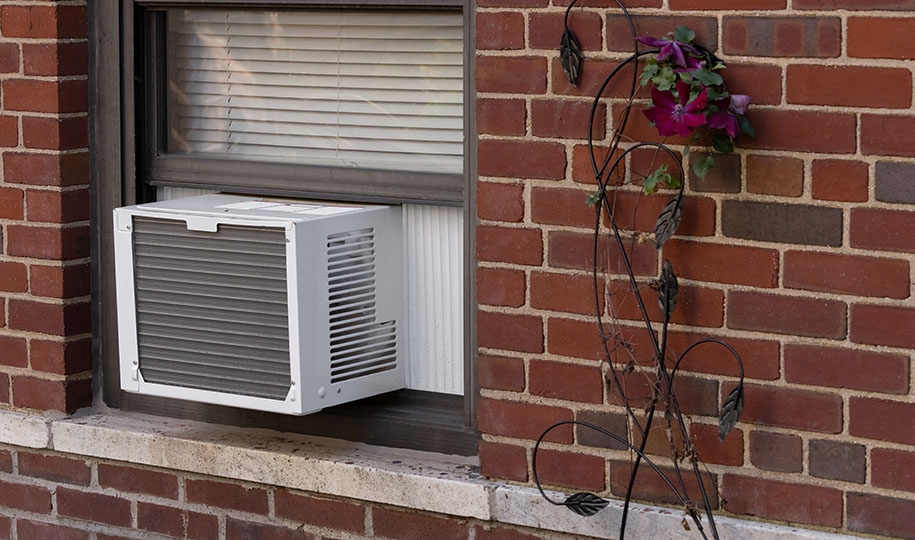
If possible, it’s best to remove your window air conditioner and store it indoors during the winter. Follow the manufacturer's instructions for removal, cleaning, and storage, and keep the unit in a dry location. If you’re storing it in the garage, keep it off the floor.
If removing the unit isn't practical, consider using a properly fitted cover designed for window air conditioner units. Follow the manufacturer's guidance on materials and ventilation to help prevent moisture or condensation buildup.
Window AC units can also allow cold air to enter through gaps around the frame. Sealing these openings with appropriate weatherstripping or insulation can help reduce drafts and improve energy efficiency.

Winter Maintenance for Your AC Unit
Although most outdoor AC units don't need winter covers, there are other ways to protect your HVAC equipment during colder months. Here are several AC maintenance tasks to consider:
- Turn off your AC: If you have a separate central air conditioner that won't be used during winter, switch your thermostat out of cooling mode. Follow the manufacturer's instructions for any additional seasonal shutdown steps. Do not shut off a heat pump used for heating.
- Remove leaves and debris: Clear accumulated leaves, twigs, and other debris from around the outdoor unit. Trim nearby vegetation to maintain adequate airflow.
- Clean the unit’s exterior: Gently remove dirt and debris from the outer casing. Avoid using sharp tools or a high-pressure washer; both can damage components.
- Replace air filters: Check and clean or replace your HVAC filters regularly according to the manufacturer's recommendations. This is particularly important if your heating and cooling systems share ductwork.
- Inspect coils and fins: Look for visible dirt, debris, or damage. Because these components are delicate, it’s best to have an HVAC professional perform a thorough cleaning.
- Schedule an HVAC tune-up: Arrange for seasonal HVAC tune-ups to identify potential problems and help keep your equipment running smoothly.
Related: Use our Home Maintenance Checklist to Winterize Your Home to be ready for winter.
Energy-Efficiency Tips for Winter HVAC Use
Winter is also a good time to evaluate your home's heating efficiency. Simple adjustments can help reduce energy use while keeping your home comfortable.
For example, adjusting the thermostat when you're sleeping or away from home may help reduce heating costs. If you use a heat pump, however, setting the temperature higher or lower than 5 to 10 degrees can sometimes trigger less-efficient backup or auxiliary heating, so follow the manufacturer's recommendations.
Sealing drafts around windows and doors, adding insulation where needed, and using ceiling fans appropriately can also help distribute warmth and reduce heating demands.
Regularly replacing HVAC filters and scheduling seasonal maintenance can help your heating system operate efficiently throughout winter.
Protect Your HVAC System and More with a Home Warranty
Properly maintaining your AC system is critical to its performance and longevity. However, even with the most diligent upkeep, your HVAC unit may still fail from normal wear and tear. A First American home warranty can help protect your budget from costly repairs or even replacement when this happens. What’s more, coverage can also include many additional household appliances and systems, such as dishwashers, ovens, cooktops, plumbing, electrical, and more.
Ready to safeguard your comfort and your budget? Get a free quote today to learn more about our comprehensive home warranty coverage and the peace of mind it provides.
FAQs About AC Covers for Winter
Should you cover a heat pump in winter?
No. Heat pumps operate during winter to heat your home and require unrestricted airflow. Covering an operating heat pump can interfere with its performance and potentially damage the equipment.
What happens if you accidentally run your AC with the cover on?
Running an air conditioner with a solid cover over the unit can restrict airflow, cause overheating, and damage components. Turn off the system immediately, remove the cover when it's safe to do so, and contact an HVAC professional if you’re concerned about running the system again, or if you notice unusual noises or other problems.
When is it OK to use an AC cover?
A breathable, partial cover may help protect an outdoor AC unit from falling leaves and debris during autumn. In areas where falling ice or snow poses a risk, a manufacturer-approved protective guard may also be appropriate. Avoid enclosing the entire unit.
What should I do to winterize my AC unit instead of covering it?
Remove leaves and debris, clean the exterior, check HVAC filters, and schedule seasonal maintenance. If your central AC isn’t going to be used during winter, follow the manufacturer's instructions for shutting it down.
Should you cover a window AC unit in winter or remove it?
Removing and storing a window AC unit indoors is generally preferable when practical. If it must remain installed, use a manufacturer-recommended cover and seal gaps around the window to help prevent drafts.
The contents of this article are provided for general guidance only. First American Home Warranty does not assume any responsibility for losses or damages as a result of using this information.
Please be aware that if you disassemble a covered system or item, it can invalidate your home warranty or manufacturer's warranty.


Keep Reading



Home Care Buzz Experts
The First American Home Care Buzz team is made up of experienced home warranty writers and editors. Our team provides valuable insights and information to help homeowners like you meet the daily challenges of homeownership.
This article is about...