
A Homeowner's Guide to DIY Roof Leak Repair
APRIL 01, 2024 | Home Care Buzz Experts | 6 minute read
Project Overview

Expert

2 Hours

$151 - $300
All Values are Estimates
Each rainy season, homeowners across the country worry about potential roof leaks. Over time, wind, rain, sleet, snow, and hail can batter your roof, destroying seals that keep your roof and home protected from the elements. In fact, the highest percentage of leaking roofs is caused by damage to the flashing that seals areas around chimneys, vent pipes, and roof intersections.
Water damage caused by these leaks can have far-reaching effects on your home and your budget, and some leaks should only be handled by professional roofers. In this guide, we'll help you learn how to identify signs of roof leaks, when to engage in roof leak repair yourself, when to call a professional roofer, and how to prevent leaks in the future.
How to Spot a Roof Leak
Because roofs are constructed in layers and often have multiple angles and pitches, it can be hard to tell where a leak starts. Here are two techniques to help you find the source before attempting to fix a roof leak:
Check for damage on the roof's exterior: As mentioned, damaged or worn flashing is the most common cause of a leaking roof. Flashing is a thin sheet of metal or rubber that protects the most vulnerable parts of your roof, typically around cutouts for air vents and chimneys. The vents and chimneys themselves may also develop cracks that allow water to trickle into your home. Check these areas and the flashing on your roof for damage, and if you see cracks or holes, it could be where roof leak repair is needed.
Related: Does a Home Warranty Cover Roof Damages?
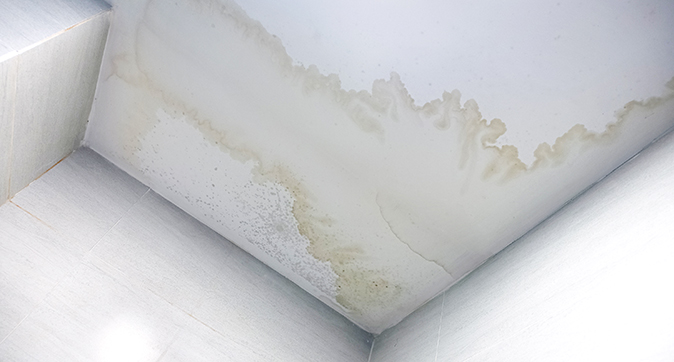
Follow the water stain: Look for obvious signs of a water leak, such as dark spots or wet areas on the underside of your roof or the ceiling of a room. You can sometimes trace these water stains back to the source of the leak. Be aware, though, that sometimes the source of the leak is not exactly where a drip is visible.
If these methods don’t help you find the source of your leaking roof, it may be best to call a professional roofer. Water can enter the roof's exterior and drip along the inside, and roofers have much more experience tracing water damage back to its origin.
How to Fix a Roof Leak Yourself
Repairing a leaking roof often requires extensive experience and knowledge of roofing. However, there are a few situations when you can seal a leak yourself — at least long enough to prevent water damage until a professional can inspect the roof. However, replacing tile, slate, or metal shingles can get complicated, so you may not want to attempt this yourself.
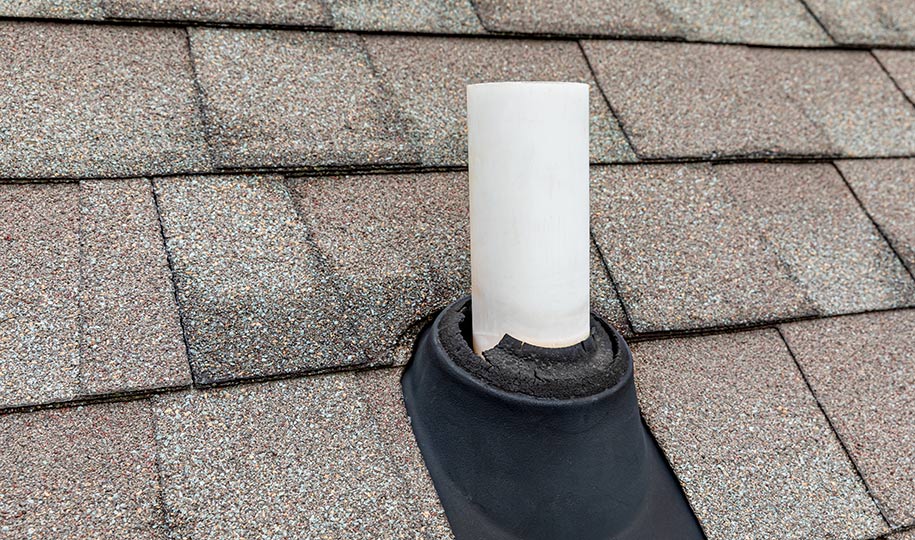
How to seal a vent or vent boot: If you find cracking or erosion on vents sticking out from your roof or vent boots, you can seal these until they can be replaced. A vent boot is a rubber gasket that seals the base of vents and prevents water from entering where the roof, flashing, and vent meet. This can also become cracked or eroded over time due to sun and wet weather. To seal damage in these areas, buy a roof sealant for leaks, like roofing cement or silicone caulk. Apply sealant to the crack or hole and smooth it with a utility knife.
Pro tip: Vents should be replaced by a professional, but vent boots can be replaced with just a little DIY experience. If there's no inclement weather in the forecast, you may want to replace the boot instead of sealing it and waiting for a replacement.
How to seal flashing: Damaged flashing should also be replaced by a professional, but you can seal any cracks to prevent further water damage. If the flashing has holes or cracks, spread a generous amount of roof sealant for leaks around the affected area as flat as you can. If part of the flashing has come loose from the roof, inject silicone caulk under the flashing and press it down until it becomes flush again. However, if the flashing has become rusted or corroded, using a sealant won't have much of an effect.
How to seal small holes: Unbeknownst to homeowners, there could have been items like satellite dishes, solar panels, vents, or awnings installed on the roof and removed before the home was sold. Sometimes, holes from mounts securing these items to the roof can be left unsealed after removal. Water can gradually permeate these holes before signs of a roof leak become visible.
If you find any holes like these during your roof inspection, take a small piece of flashing, apply beads of roof sealant to the top and bottom of the sheet, and slide it underneath the shingle.
When to Call a Pro for Roof Leak Repair
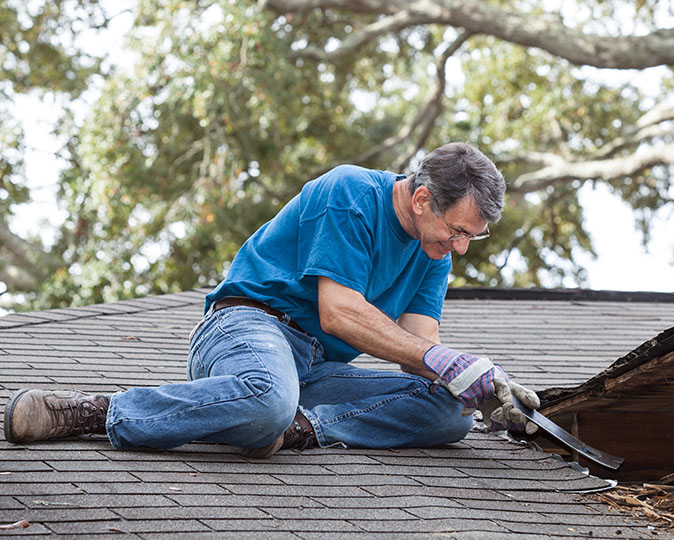
In truth, you don’t need a reason to have roof leaks fixed by a roofer. Many homeowners don't want to risk walking on their roofs, while others don't have time in their busy schedules to look for the source of leaks – or may not know what to look for anyway. If you have room in your home repair budget to call a licensed roofer or have limited roof leak coverage under a home warranty, it may make more sense to put your roof in the hands of a professional.
Some types of roof leak repair should always be performed by a roofer due to their difficulty and required expertise.
Replacing vents or chimneys: As noted above, sealing small cracks in vents can be fairly simple. But replacing significantly damaged vents or chimneys is a much more difficult job. Without the proper knowledge, even small mistakes in the workmanship can cause these items to operate ineffectively, cause more damage along your chimney and vents, or even create a bigger leak than you had before.
Replacing flashing: Replacing flashing isn't as tricky as rebuilding a chimney, but it still requires roofing knowledge many homeowners don't have. It requires pulling up shingles, installing flashing evenly (sometimes around uneven surfaces), and then replacing shingles. Step flashing — which protects roof-to-wall transitions — can be especially difficult to install correctly due to its unique shaping. To ensure that flashing creates a solid seal around fixtures on your roof, it's probably best to hire a licensed roofer.
Fixing flat roof membranes: If you have a flat, even roof, you likely have a flat roof membrane under the shingles to provide extra water protection. Repairing a roof leak in a flat roof membrane is a lot like patching a hole in drywall but requires more materials like replacement rubber EPDM, acetone, and contact cement. While not necessarily an advanced home repair task, the time and money you spend fixing flat roof membranes can be worth hiring a professional.
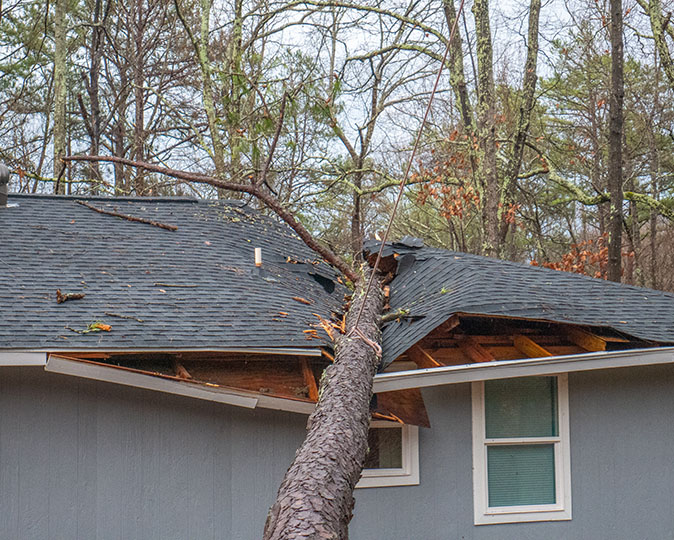
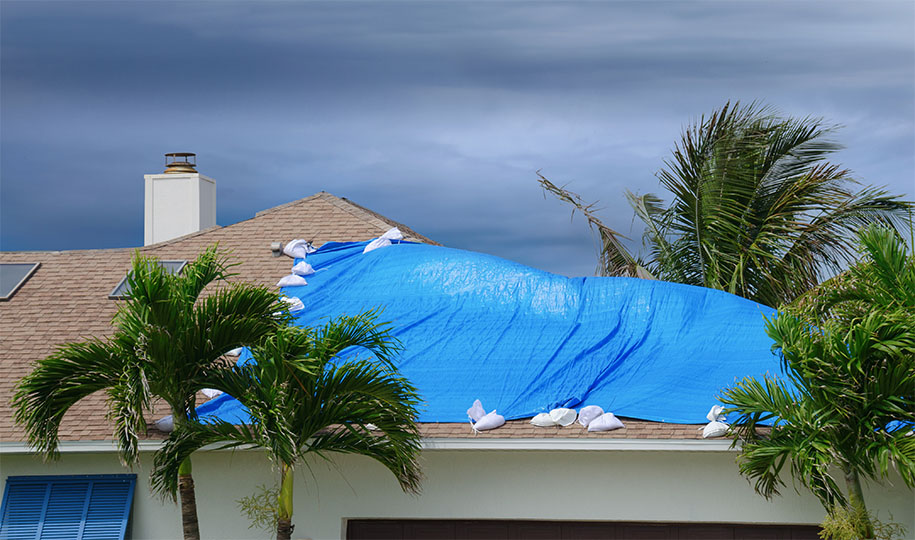
Severe weather damage: If you have a gaping hole in your roof caused by a falling tree, utility pole, or other debris during intense weather, you'll need to replace either part or the entire roof. A roofer should always handle partial or complete roof replacements due to the skill required. Cutting corners for this task could lead to structural damage that'll cost you much more money than you could possibly save.
How Much Does Roof Leak Repair Cost?
The national average roof leak repair cost is generally around $1,000 when performed by a professional roofer. The actual cost will greatly depend on the type of damage, how extensive it is, and the area in which you live. However, if you have optional roof leak coverage included in your home warranty, covered roof leaks caused by normal wear and tear can be fixed for the price of a service call. Limited roof leak coverage can even cover part of roof replacements in some cases. If you live in an area with inclement weather that batters your roof throughout the year, find out how the home warranty process works and what limited roof leak coverage can do to protect your budget. Be aware, too, that sometimes home insurance offers coverage for storm damage and other acts of nature.
Related: In addition to roof leaks, find out more about What Home Warranty Plans Cover.
The contents of this article are provided for general guidance only. First American Home Warranty does not assume any responsibility for losses or damages as a result of using this information.
Please be aware that if you disassemble a covered system or item, it can invalidate your home warranty or manufacturer's warranty.



Keep Reading





Home Care Buzz Experts
The First American Home Care Buzz team is made up of experienced home warranty writers and editors. Our team provides valuable insights and information to help homeowners like you meet the daily challenges of homeownership.
This article is about...