
How to Fix a Leaky Faucet: Step-by-Step Repair Guide
MARCH 25, 2024 | Home Care Buzz Experts | 5 minute read
A leaky faucet may seem like a simple annoyance, but if it's not fixed promptly, that leak could cost hundreds to potentially thousands. From water damage to mold, mildew, and high water bills, even a tiny leak can be catastrophic if left unattended. Damage like this can even affect the overall value of your home, so it's important to take the right approach for leaky faucet repair. You may need the help of a plumber in some cases, but we've got a few tips you can try on how to fix a leaky faucet before calling the pros.
Four Faucet Types
When you're learning how to fix a leaky faucet, the first step is knowing what kind of faucet you're working with! There are four common types.
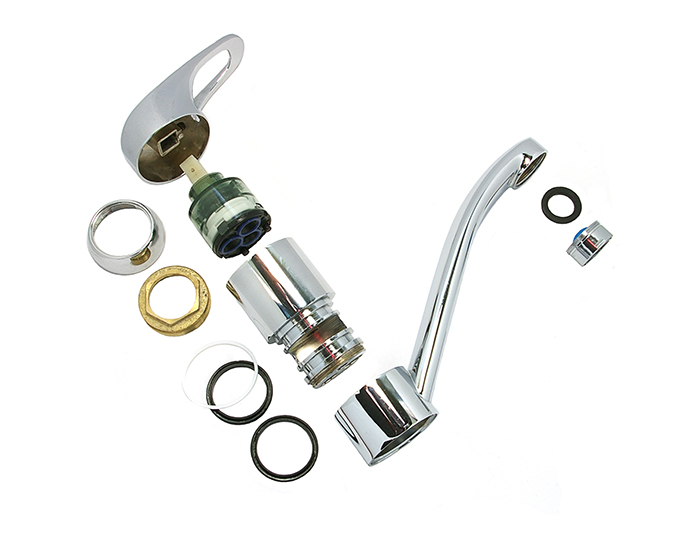
Cartridge Faucets
Cartridge faucets come in one- or two-handled varieties. In one-handled cartridge faucets, hot and cold water combines in a single cartridge. In the two-handled versions, hot and cold water are controlled separately and mixed in the faucet.
Ball Faucets
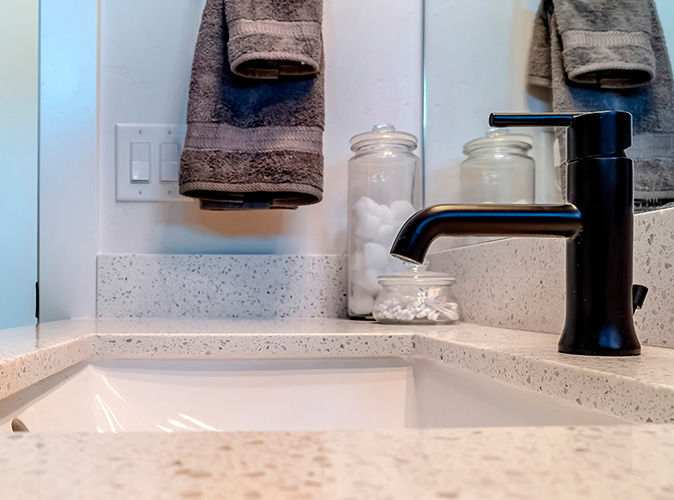
Ball faucets have a single lever you push up and down to adjust the pressure and rotate to change the temperature. A slotted metal ball controls the amount of water allowed into the spout.
Compression Washer Faucets
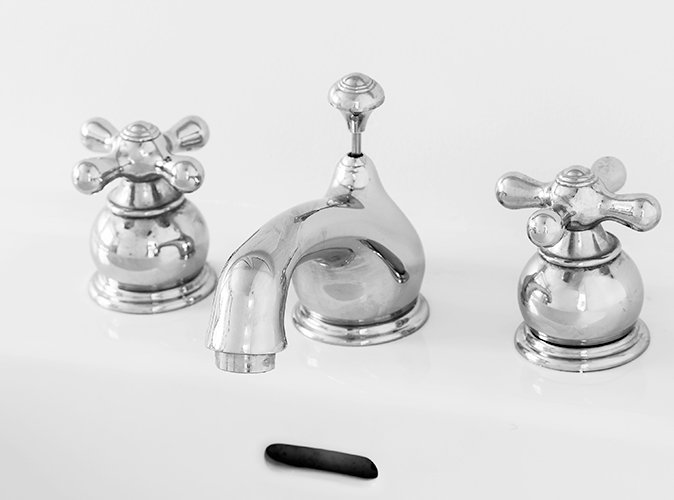
They're the oldest type of faucet, but they're still used in many homes — especially older ones. Compression faucets have two separate handles that, when turned, raise or lower the washer that seals a water valve. This valve stops water from flowing through the faucet when it is turned off.
Disc Faucets
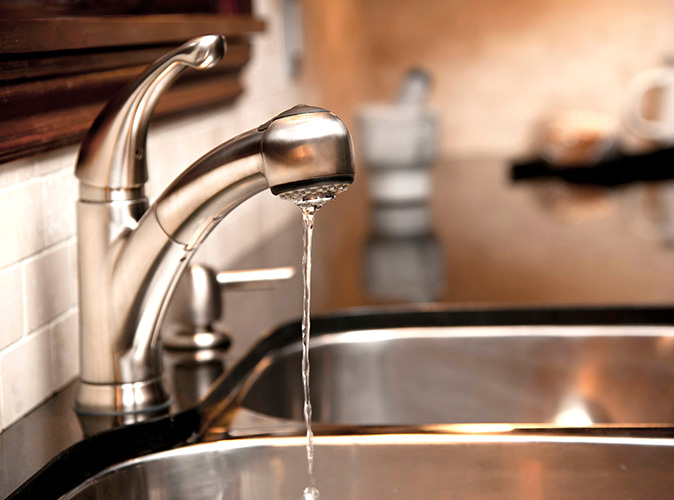
Disc faucets rarely need to be repaired due to their maintenance-free design. The water flow is controlled by two discs — the upper one raises and lowers against a fixed lower disc, creating a watertight seal. If your disc faucet starts leaking, you may need to replace the seals or clean residue buildup from the inlets.
Pro tip: When replacing a disc faucet, the handle should be in the "on" position to prevent broken replacement seals.
Fixing a Leaky Faucet
Once you've identified your type, you can learn how to fix a leaky faucet. Let's go through the steps to get your faucet working again.
Step 1: Turn Off the Water
Whether you're learning how to fix a leaky bathtub faucet or how to fix a leaky kitchen faucet, always turn off the water supply to your working area when you're fixing a leak. The last thing you want is a flood added to your list of things to fix.
Look for the shutoff valves below your sink or around the tub and turn them clockwise to stop the water flow. If your faucet doesn't have shutoff valves, you may need to turn off the water for the whole house. Check to make sure it's off by turning the faucet on. If nothing comes out, you're ready to start the repair.
Step 2: Take Apart the Faucet
How you disassemble your faucet depends on the type of fixture you have. You can use a flathead screwdriver to remove the caps on top of the handle or handles for cartridge and compression faucets. Inside, you should see handle screws. Unscrew these with a screwdriver to remove the handle.
Disc- and ball-style faucets will typically have an inlet screw near the handle, and removing that will reveal the interior of the faucet.
Step 3: Detach the Valve Stem
For cartridge- and compression-style faucets, you'll see the inner valve stem or cartridge once you remove the faucet handles. If you have a compression faucet, unscrew the brass valve stem. If you have a cartridge faucet, pull out the cartridge. If your cartridge has been in place for a while, it may require some tools or extra force to remove it due to mineral deposits.

For ceramic discs, remove the mounting screws and seals of the upper disc. And with ball-style faucets, remove the ball and inlet seals.
Step 4: Examine and Replace Parts
Once you've removed the parts, check them out to confirm what needs to be replaced. You may see corroded rubber washers, O-rings, stems, or cartridges. On a ball-style faucet, check the seats and springs for damage.
If you need to repair a leaky disc faucet, check the inlet and seals on the lower disc.
Once you determine what parts must be replaced, visit your local hardware store. Bring the damaged parts with you to ensure you can purchase the correct components to replace them.
Step 5: Clean Valves and Faucet Cavity
If you've removed a stem or cartridge, you may notice mineral buildup in the faucet's threads. Use white vinegar to clean the valve seat by soaking it for a few minutes, then scrub it away with a soft toothbrush and rinse with warm water. You can also clean the interior of the faucet in the same way.
Step 6: Reassemble the Faucet
Once your faucet is cleaned and the required parts have been replaced, it's time to reassemble it. Put the pieces back together and slowly turn the water supply back on. Doing this slowly is crucial because too much initial water pressure can damage the new hardware you've just installed.
Related: How to Remove Air in Water Lines.
Causes of Leaky Faucets
Leaky faucets — no matter their location — have many possible causes. We'll go over five common causes to keep an eye out for. (If you're ready to replace your fixture, check out our guide on Faucet Replacement.)
Broken or Improper Washers
One of the most common causes of a leaking faucet is broken washers. Often made of rubber, these washers rest against the valve base. With enough usage, friction between the valve and the washer wears the washers down and causes the faucet to leak.
An improperly or incorrectly sized washer can also lead to leaking — often from the handle or the spout.
Deteriorated Valve
If your faucet only leaks from the spout, it could be due to a bad valve base. The base creates a barrier between the faucet body and the spout. When sediment builds up, it prevents the valve from moving and can corrode the base.
Damaged Cartridge
You can spot a damaged cartridge faucet in a few ways. Look for leaking from the faucet, a stiff handle or handles, and inconsistent water flow or temperature. You can also listen for screeching or clicking sounds using the faucet.
Faulty O-Ring
An O-ring is a small circular disc attached to the faucet's stem screw to hold the handle in place. Like washers, O-rings wear down and must be replaced after a while.
High Water Pressure
High water pressure is a common issue regarding how to fix a leaky shower faucet. Although many people enjoy high water pressure in the shower, it can strain your faucets and fixtures greatly. If your water pressure is too high, it can disrupt the smooth flow of water through your faucet and create a backup. This excess water can leak out of the taps or handles.
Tip: If you're dealing with a water pressure issue, it's a good idea to call a plumber.
When to Call the Pros
You'd want to call in the professionals for a few reasons instead of trying to fix your faucet. If you have a complex faucet design or a luxury fixture, it may require specialty knowledge. If you've experienced repeated leaks or lack the tools to repair them, a plumber will come in handy. If you can't identify the source of the issue, it doesn't resolve with attempted repairs, or it requires major modifications, it's best not to try fixing it yourself.
The good news is that you can protect your faucets with a home warranty coverage. With our plumbing coverage, you can call us, and we'll send a prescreened technician to diagnose and fix the issue. Want to learn more? Get a free personalized home warranty quote today!
The contents of this article are provided for general guidance only. First American Home Warranty does not assume any responsibility for losses or damages as a result of using this information.
Please be aware that if you disassemble a covered system or item, it can invalidate your home warranty or manufacturer's warranty.


Keep Reading






Home Care Buzz Experts
The First American Home Care Buzz team is made up of experienced home warranty writers and editors. Our team provides valuable insights and information to help homeowners like you meet the daily challenges of homeownership.
This article is about...