
Plumbing Stoppage: Understanding and Solving the Issue
MARCH 06, 2024 | Home Care Buzz Experts | 4 minute read
What is a plumbing stoppage, and what causes it? A plumbing stoppage is another term for a clog, and it's common in most homes. A stoppage can be caused by anything from a buildup of hair in the drain to tree roots growing through your pipes. Often, you can fix a minor stoppage on your own with some simple DIY skills, but it's important to know when to call the professionals.
Let's go over some of the causes of minor stoppages and methods to resolve them. Then we'll cover which situations require the help of a plumber.
Causes of Plumbing Stoppages
You can solve plenty of common plumbing stoppages with some quick DIY handiwork. Here are DIY solutions for how to clear pipe blockages.
Hair Clogs
The most common cause of plumbing clogs is hair, which can get trapped in shower drains and block pipes. This issue often happens in homes with multiple family members with long hair. And even the store-bought drain cleaners that claim to beat hair clogs often don't cut it. Luckily, there's a simple solution: a drain snake.
To remove a hair clog, purchase a drain snake, insert it into the pipe, and follow any instructions on the packaging to remove the clog. Sometimes, it can take a few tries to remove it completely, and we suggest wearing rubber gloves as the debris trapped by hair can be grimy.
Grease Buildup
Grease and fat can accumulate in your kitchen drain pipes, eventually hardening and causing a blockage. Even though you should never dispose of grease or oil down the kitchen drain or garbage disposal, small amounts from dishes can eventually build up.
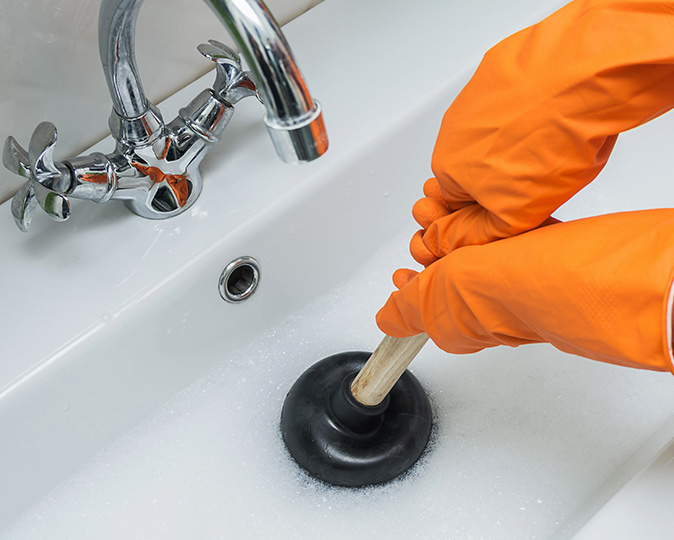
For a DIY solution, you can use a plunger to dislodge the clog, a drain snake to break it up, or pour boiling water down the pipes to break down the grease. If none of these methods work, a plumber should be able to help get your pipes back in working order.
Foreign Objects
Garbage disposals and toilets are most subject to this type of clog. Depending on the type of foreign object and where it is lodged, you may be able to remove it yourself. If it's not easily accessible, you'll need to call the pros.
If the clog is in a toilet, you can use a plunger or remove the object by hand. If this doesn't work, it's best to call a plumber since the pipes leading from your toilet aren't easily accessible.
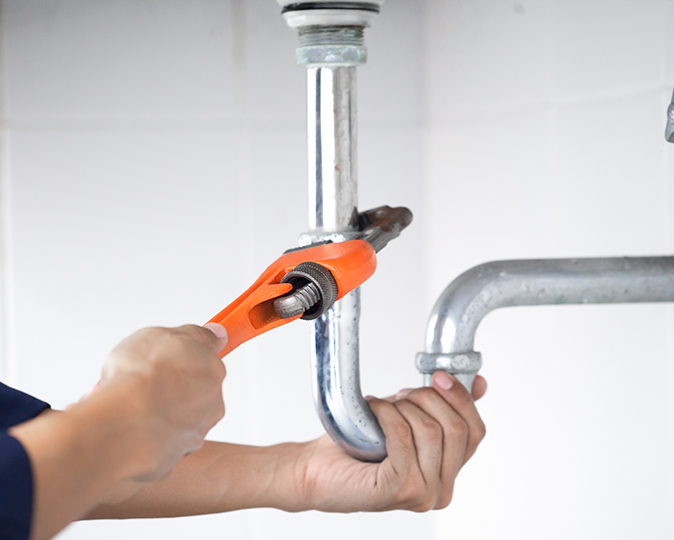
If the clog is in a sink, you can use a drain snake or plunger to dislodge and remove it. If that doesn't work, you can remove the P-trap from the drain to look for a visible blockage.
How to remove the P-trap:
- Gather your pliers, a bucket, and a towel.
- Clear the area under the P-trap and place the bucket to catch any water or debris.
- Loosen the slip nuts and remove the P-trap (some water will likely spill out during this process; this is normal).
- Clean the P-trap and look for other blockages. If there are any visible clogs, you can remove them manually or use a drain snake.
- Re-install the P-trap using your pliers and turn on the water to make sure any clogs have been removed.
Mineral Buildup
Hard water can leave mineral deposits inside your pipes, which can eventually form a blockage. This is common in water lines and appliances like water heaters. You can break down mineral deposits by using commercial descaling products or pouring vinegar down the drain and allowing it to sit. The acid in the vinegar will help dissolve the deposits and remove them from the pipes.
Sometimes, though, pipes that have been collecting mineral buildup for years will need to be replaced by a professional plumber.
Here are some general plumbing maintenance tips to keep your plumbing working at its best.
When to Call the Pros for Plumbing Stoppages
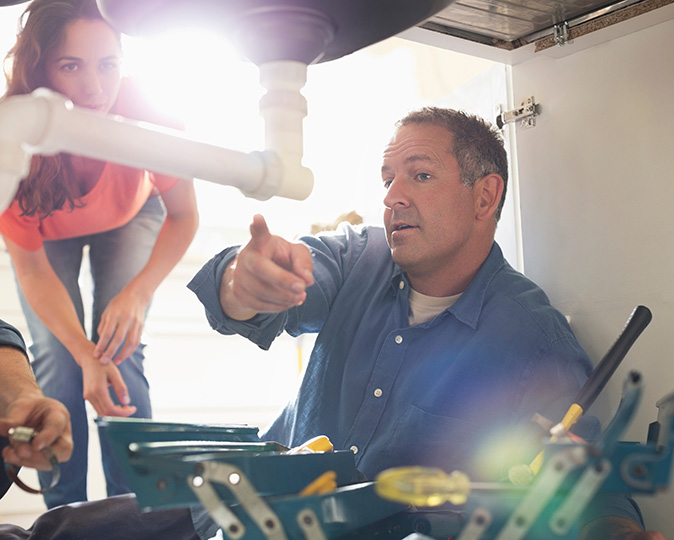
While DIY methods can fix minor stoppages or clogs, some situations require calling a plumber. Let's review a few of these to ensure you know when to call for help.
Home Warranty plans for plumbing can help your budget when you need to call for help.
Main Sewer Line Blockage
If you're experiencing multiple clogged drains at once, water backing up in odd places, or sewage odors in your home, you should call a plumber. The main sewer line likely has a stoppage and requires professional equipment.
Deep Pipe Clogs
If a drain snake or plunger can't fix the clog, it's likely located deep within the pipes. Plumbers have motorized tools that are much more powerful and can reach clogs that DIY methods simply can't.
Tree Roots
If a tree root has grown into your sewer lines, it will require professional help. Plumbers can use special tools to clear roots, or they may need to remove and replace the root-bound portion of the pipe.
Overflowing Sewage
Any time there is sewage backing up in your home, call a plumber right away. The health risks associated with this situation can be dangerous, and it's best left to the pros.
Preventing Plumbing Stoppages
While dealing with plumbing clogs is never pleasant, you can do a few things to prevent plumbing problems. Always avoid pouring grease, oil, or fat down the drain in the kitchen. Also, dispose of any food waste and coffee grounds in the trash. While your garbage disposal is helpful, using it as little as possible is best to avoid clogs.
In showers and tubs, use hair catchers regularly to avoid hair clogs and snake drains to prevent backups. If your shower is draining slowly, address it right away.
For toilets, only flush approved waste and toilet paper — avoid flushing wipes or feminine hygiene products.
When it comes to your home's plumbing system, perform regular cleaning to prevent buildup. Use enzyme-based cleaners to avoid damaging pipes with harsh chemicals. You can also use a water softener to prevent clogs from mineral buildup.
Home Warranty Plumbing Coverage
With a home warranty from First American, you can protect your plumbing and your home's other systems and appliances from unexpected issues. A home warranty covers many kinds of plumbing stoppages, and you can learn more by getting a free quote today or by viewing our coverage for plumbing stoppages.
The contents of this article are provided for general guidance only. First American Home Warranty does not assume any responsibility for losses or damages as a result of using this information.
Please be aware that if you disassemble a covered system or item, it can invalidate your home warranty or manufacturer's warranty.


Keep Reading






Home Care Buzz Experts
The First American Home Care Buzz team is made up of experienced home warranty writers and editors. Our team provides valuable insights and information to help homeowners like you meet the daily challenges of homeownership.
This article is about...