
Guide to Choosing a Water Softener
JANUARY 16, 2024 | Home Care Buzz Experts | 3 minute read
Water is a necessity for drinking, cleaning, and bathing, but not all water is created equal. Many homeowners grapple with hard water, which carries minerals that can create nuisances and even damage your plumbing system. But don't worry; a water softener can make a big difference in keeping your home's water well-balanced. Let's dive into the world of water softeners and guide you to find the best water softeners for homes like yours.
Understanding Water Softeners
Water softeners operate through an ion exchange process where sodium ions replace calcium and magnesium ions, causing water hardness. Hard water can lead to:
- Whitish mineral build-up on faucets.
- Decreased cleaning ability of dish and laundry detergents.
- Reduced life span of appliances due to scale deposits.
Investing in a water softener (sometimes called a home water conditioner) can alleviate these issues, ensuring your appliances and plumbing fixtures run efficiently and last longer.
How Big of a Water Softener Do I Need?
| Household Size | Water Hardness (Grains per Gallon) | Recommended Softener Size (Grain Capacity) |
|---|---|---|
| 1-2 people | 1-10 GPG | 16,000 - 32,000 |
| 3-4 people | 1-10 GPG | 32,000 - 40,000 |
| 5-6 people | 1-10 GPG | 40,000 - 48,000 |
| 7+ people | 1-10 GPG | 48,000 - 64,000 |
Now, let's look at how to size a water softener for your home. The size of the water softener you need depends on your household's water usage and the hardness level of your water. Here's a simple way to estimate the size you'll need:
- Daily Water Use: Multiply the number of people in your household by the average gallons of water used per person per day. This calculator may help.
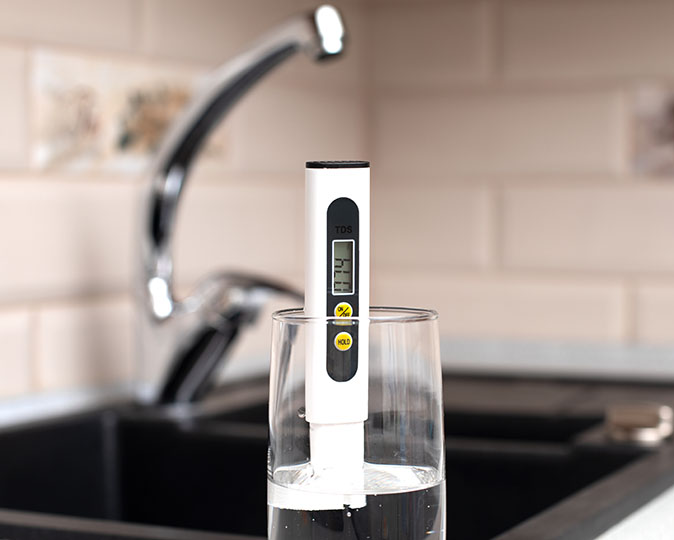
- Measure Water Hardness: Have your water tested to determine its hardness level, measured in grains per gallon (GPG).
- Calculate: Multiply your daily water use by the hardness level to find the grains of hardness that your water softener should ideally remove every day.
Types of Water Softeners
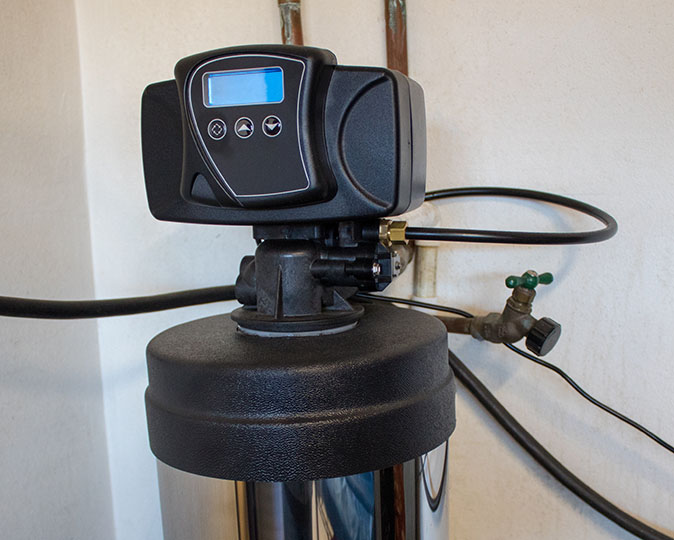
Water softeners come in various types, each with distinct features and benefits. Here are a few types you may want to consider:
- Hard water softeners: Particularly designed to tackle high mineral content, hard water softeners are ideal for homes in regions with notably hard water.
- Salt-based softeners: These traditional softeners replace hard minerals with sodium; an effective system in areas with extreme water hardness.
- Salt-free softeners: An eco-friendly option, this type of unit conditions the water (it doesn't soften) without replacing minerals with sodium. Note that even though they're not “softeners” per se, these home water conditioners do prevent scaling.
- Dual tank softeners: Ideal for large families and areas that experience extreme water hardness.
- Magnetic descalers and electronic softeners: Considered simple and easy to install, manufacturers claim these devices create a small magnetic field that changes the chemical makeup of calcium and magnesium.
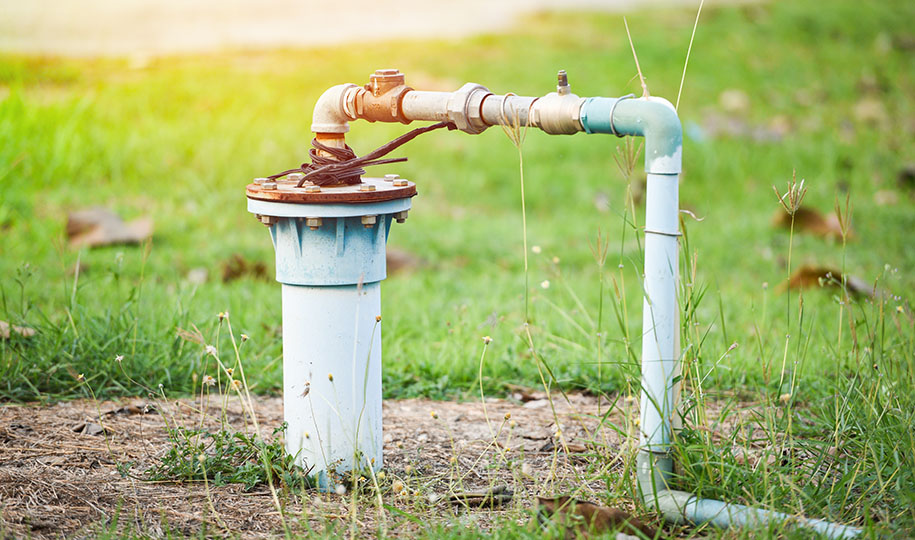
- Well water softener systems: This water softener system for well water pumps often has added features like iron and sediment filtration, making it a comprehensive solution for rural homes.
How to Choose a Water Softener
When deciding on a water softener, it's essential to compare different types based on your specific needs. Here's a brief comparative analysis:
- Effectiveness: Salt-based water softeners are highly effective for extreme hardness, while salt-free softeners are better for mild to moderate hardness.
- Maintenance: Salt-based softeners require regular salt replenishment, whereas salt-free and magnetic softeners are lower-maintenance.
- Cost: Initial and ongoing costs are higher for salt-based softeners due to salt purchases and possible professional maintenance.
- Environmental Impact: Salt-free softeners are more eco-friendly as they don't discharge salt into wastewater.
- Health Considerations: Those on low-sodium diets may prefer salt-free or potassium-based softeners to reduce sodium intake.
Features to Consider
When you are researching the best water softeners for homes, consider these features, which can make operation and maintenance easier:
- Regeneration settings: To save salt and water, look for a system that regenerates based on water usage rather than time.
- Iron removal: If your water has a high iron content, consider a softener that also removes iron.
- Warranty coverage: Both the manufacturer's warranty and water softener coverage under your home warranty plan can protect your budget when facing unexpected breakdowns.
The Verdict
Investing in a water softener or home water conditioner provides cleaner and more balanced water. Size it right, choose the type that fits your needs, and don't overlook the essential features. While the right water softener helps prevent hard water, having water softener home warranty coverage can save your home budget when you have unforeseen breakdowns to the system. Learn more or get a quote today.
The contents of this article are provided for general guidance only. First American Home Warranty does not assume any responsibility for losses or damages as a result of using this information.
Please be aware that if you disassemble a covered system or item, it can invalidate your home warranty or manufacturer's warranty.



Keep Reading




Home Care Buzz Experts
The First American Home Care Buzz team is made up of experienced home warranty writers and editors. Our team provides valuable insights and information to help homeowners like you meet the daily challenges of homeownership.
This article is about...