
Pool Safety Checklist: The Ultimate Guide for Homeowners
JUNE 27, 2025 | Home Care Buzz Experts | 4 minute read
As temperatures rise, your backyard pool becomes the center of family fun and relaxation. But having a pool is also a serious responsibility, especially when it comes to pool safety. Drowning is a leading cause of fatalities for young children, especially those under 5. That’s why having a comprehensive pool safety checklist is essential.
Pool Safety Essentials
The top items on your safety list should be constant supervision, keeping your pool secure when not in use, making sure everyone knows how to swim before they enter the pool, and being prepared for (and preventing) emergency situations.
Supervise Children
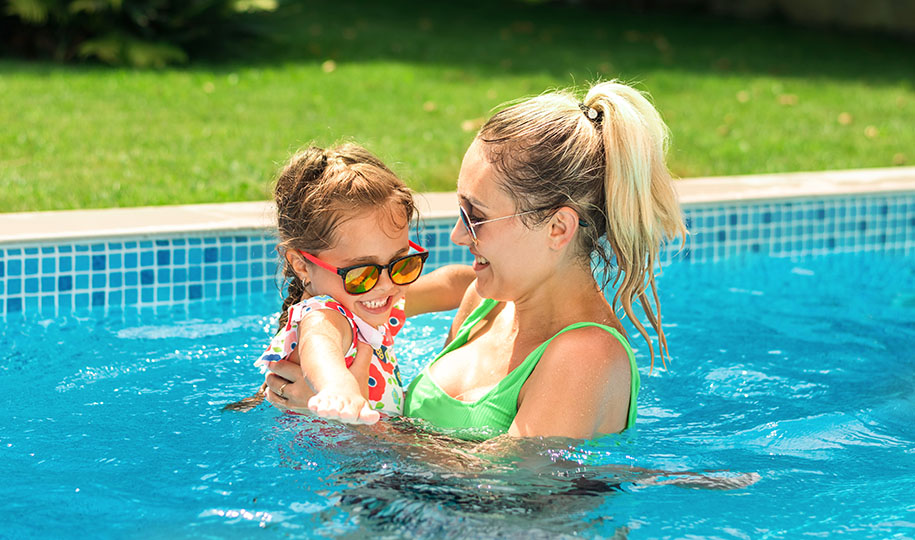
Keeping watch while kids are around the pool is non-negotiable when it comes to pool safety. Regardless of their swimming skills, someone should always be supervising when kids are in or around the pool.
- Designate a "water watcher": At gatherings, assign adults to take shifts giving children 100% of their attention.
- Avoid distractions: Put down phones, books, and other distractions when supervising swimmers.
- Maintain visual contact: Always keep children in sight when they are in or near water.
- Stay within arm's reach: For young children and weak swimmers, practice "touch supervision" where you're always within arm's length.
- Use the buddy system: For older kids and teens, swimming with a partner improves safety.
Remember, drownings often happen silently and quickly — not with the splashing and calling for help depicted in movies.
Secure Your Pool
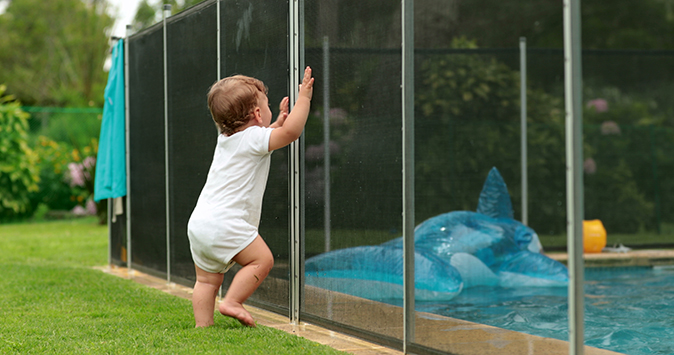
Protective measures like fences, covers, and alarms can help ensure kids can’t access the pool when you're not actively using it. In fact, many state laws require fencing around pools. Drownings occur when children gain unexpected access to the pool.
- Install a pool fence: Ensure the fence is at least 4 feet tall with self-closing, self-latching gates that open outward.
- Add door alarms: If your house forms one side of the pool barrier, install alarms on doors leading to the pool area.
- Use a pool safety cover: Invest in a sturdy, motorized pool safety cover that meets ASTM standards and can support a child's weight (or your pet's!)
- Remove access points: Keep furniture and climbable objects away from the pool fence to prevent climbing.
Sign Kids Up for Swim Lessons
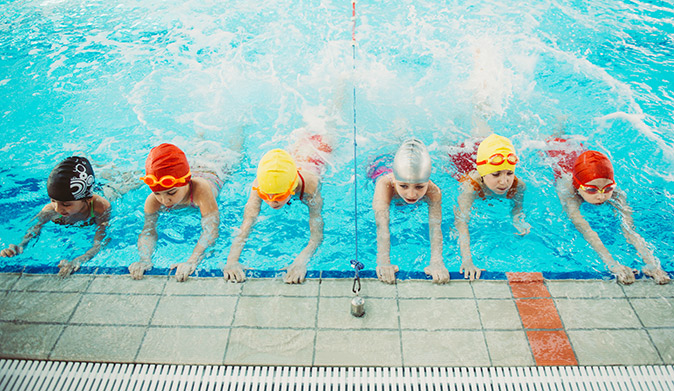
Learning to swim is an important safety skill for everyone. Make sure everyone in your family (kids and adults, too!) knows how to swim to help them stay safe in and around water.
- Enroll children in swim lessons: The American Academy of Pediatrics recommends lessons for children as young as 1 year.
- Don't rely on flotation devices and toys: Water wings, noodles, and inflatable toys are not safety devices and can create a false sense of security.
- Learn survival skills: Even young children can learn to float on their backs and move toward safety.
- Practice water competency: Everyone should be able to step or jump into water over their head, return to the surface, float or tread water, turn around in a full circle and find an exit, swim 25 yards, and exit the water.
Be Prepared for Emergencies
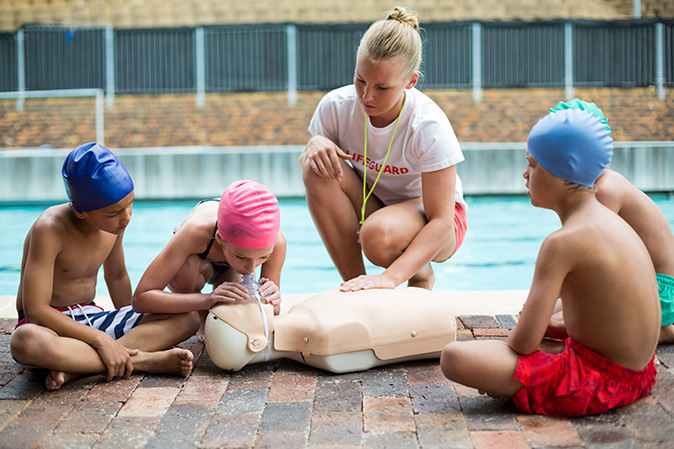
Be ready for the unexpected. Hopefully, you’ll never have to use your CPR skills or emergency equipment, but it's always best to be prepared.
- Learn CPR: Everyone in the household should know basic CPR and rescue techniques.
- Keep rescue equipment nearby: Have a shepherd's hook (long pole with hook), a life ring, and a first aid kit accessible.
- Create an emergency action plan: Ensure everyone knows what to do in case of an accident.
Taking a family CPR class together can be a valuable experience while ensuring everyone learns skills that could be critical in an emergency.
Pool Maintenance for Safety
Many pool owners don't realize that regular pool maintenance is also on their pool safety checklist.
- Maintain water clarity: Cloudy water makes it difficult to see swimmers in distress. If your pool's filter isn't working correctly or the filter isn't being cleaned or backwashed regularly, it can't effectively remove particles, leading to a cloudy appearance.
- Ensure proper chemical balance: Incorrect chemical levels can cause skin irritation, eye damage, and respiratory issues. Learn more about shocking your pool.
- Inspect drain covers regularly: Ensure they're intact to prevent entrapment hazards.
- Keep decks clear: Remove toys when not in use to prevent tripping and to avoid attracting children to the pool.
- Check electrical safety: If you notice electrical problems, have a professional inspection of pool lighting and equipment.
The most effective approach to pool safety is to implement as many strategies as possible, creating a layered "safety net" that remains strong even if one layer fails.
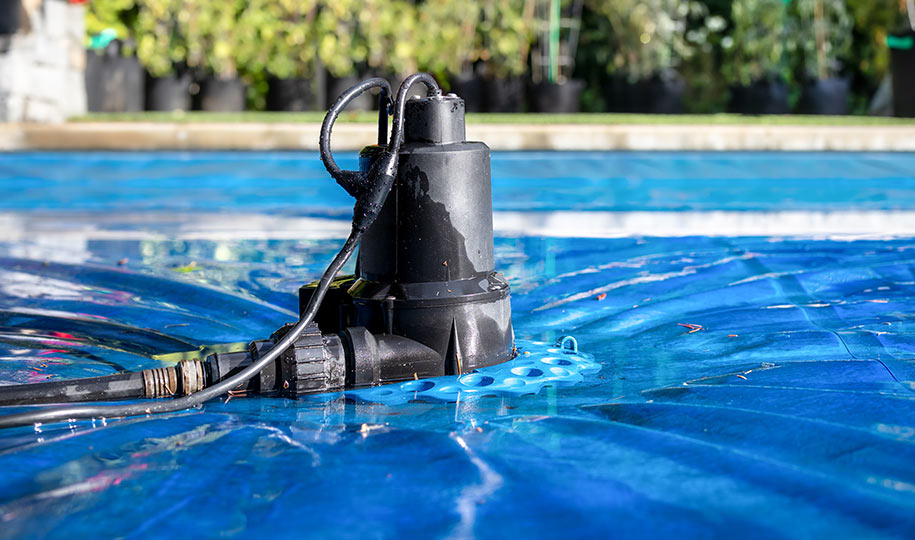
Pro tip: Even when summer ends and it’s time to winterize your pool, consider important pool safety tips such as using the right pool safety cover, inspecting your cover for rips or tears, and, to help your peace of mind when the kids are visiting other friend's homes, reminding them never to walk on a pool cover.
Pool and Spa Home Warranty Coverage
Another way to improve your peace of mind is to add swimming pool coverage when you buy a home warranty. First American Home Warranty’s pool and spa coverage option can help with unexpected repair and replacement costs of many components, including filters, valves, pumps, and saltwater cells. It’s easy to get a free quote.
The contents of this article are provided for general guidance only. First American Home Warranty does not assume any responsibility for losses or damages as a result of using this information.




Home Care Buzz Experts
The First American Home Care Buzz team is made up of experienced home warranty writers and editors. Our team provides valuable insights and information to help homeowners like you meet the daily challenges of homeownership.
This article is about...