Shocking a Pool: Why, When, and How to Do It
APRIL 17, 2024 | Home Care Buzz Experts | 6 minute read
Project Overview

Beginner

1 Hour

< $150
All Values are Estimates
Owning a pool is a delightful amenity and keeping it pristine is essential for endless summer fun. One key aspect of pool maintenance is "shocking" your pool. But what exactly does that mean? A pool shock involves adding balanced chemicals to your pool water. It's crucial for killing bacteria, algae, and other contaminants. In this article, we'll guide you through the process of pool shocking: what it is, why it's necessary when to do it, and how to do it right. So, whether you're dealing with a green pool or just maintaining routine cleanliness, we'll cover everything you need to know about how to shock pools.
Understanding the Basics of a Pool Shock
Shock treatment for pools involves adding a large dose of chemicals, including chlorine, to the water. This process effectively kills bacteria, algae, and other contaminants. It's like hitting the reset button on your pool's cleanliness. But when should you shock a pool? And how long after pool shock can you swim safely? We'll answer these questions, including how to add shock to a pool and the specific amounts needed for different situations.
What Is Pool Shock?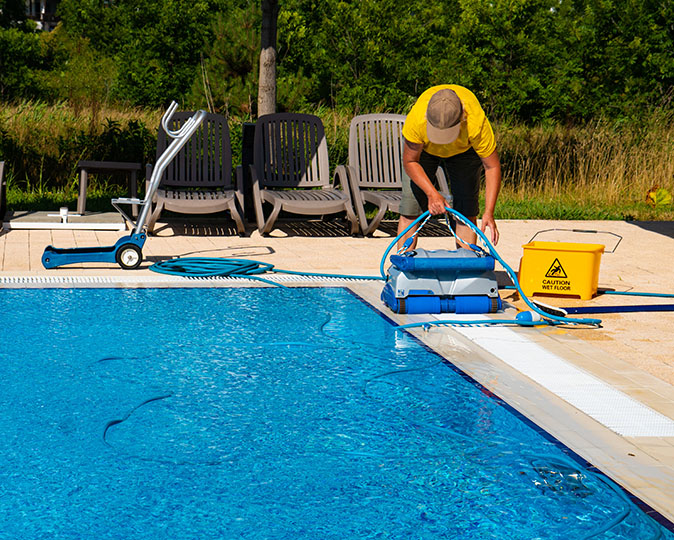
Pool shocking refers to adding chemicals, primarily chlorine, to your pool. This treatment combats chloramines – harmful contaminants that build up over time. Chloramines form when chlorine in your pool binds with oils, sweat, and other organic matter. Unlike regular chlorine, pool shock is a powdered, granulated, or high-concentration chemical blend designed to sanitize and oxidize your pool, keeping it clean and safe.
Why Shock Your Pool?
Shock treatment for pools is important for several reasons. It kills harmful bacteria and algae, prevents cloudy water, and maintains a healthy swimming environment. Without regular shocking, pools can become breeding grounds for unwanted organisms, leading to health issues and unappealing water conditions.
When to Shock a Pool
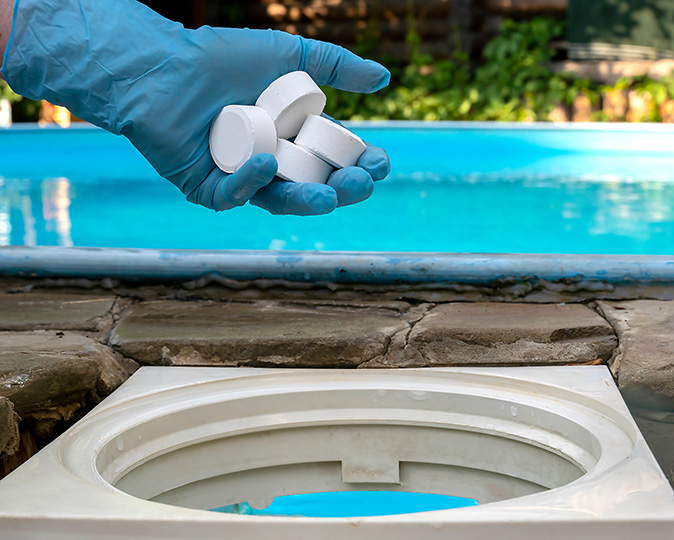
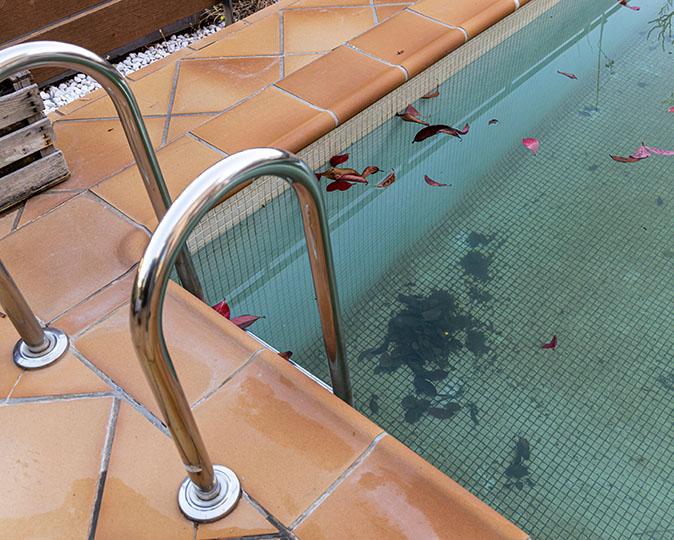
The best time to shock your pool is in the evening, as UV rays from the sun can diminish the effectiveness of chlorine. How often depends on usage and environmental factors, but generally, it's good practice to shock your pool once a week during the swimming season. Also, shock your pool after heavy use (like your Fourth of July pool party), severe weather, lots of rain, or visible algae growth.
Need help keeping track of pool shock schedules? Check out our home maintenance log. We also have tips on many other home maintenance topics.
Types of Pool Shock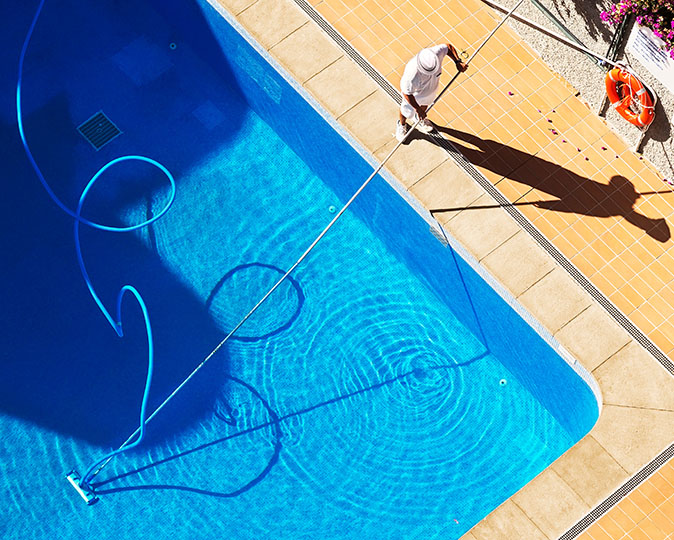
There are several types of shock treatment for pools available, including:
- Calcium Hypochlorite: A popular, affordable choice that requires pre-dissolving.
- Lithium Hypochlorite: Ideal for areas with hard water but tends to be more expensive.
- Dichlor: A stabilized shock that doesn't require pre-dissolving and is gentle on pool surfaces.
Choose based on your pool type, budget, and specific needs.
How to Shock Pools: A Step-by-Step Guide
- Safety first: Safety always comes first. Wear gloves and safety goggles to protect your skin and eyes from the harsh chemicals. It's also good to wear old clothes because pool shock can bleach fabrics. (Unless you’re going for that 90s splatter look.)
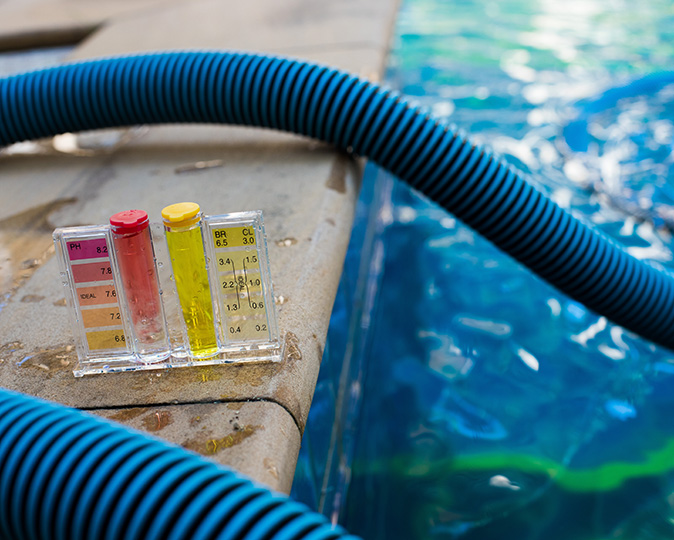
- Test and balance your pool water: Before adding any shock, test your pool's pH and alkalinity levels. The ideal pH level is between 7.2 and 7.6. If necessary, adjust these levels using pH increasers or decreasers. Proper water balance helps make sure the shock treatment for your pool is effective.
- Turn on the pool pump: The pump should run when you add the shock to help circulate the chemicals through the pool.
- Pre-dissolve the shock (if required): Some types of shock must be dissolved in water before adding them to the pool. If you're using calcium hypochlorite or another shock that requires pre-dissolving, fill a 5-gallon bucket with warm water and slowly add the shock mixture. Stir it gently until it's fully dissolved.
- Adding the shock to the pool: If you've pre-dissolved the shock, pour the mixture evenly around the edges of the pool. You can add the granules directly into the pool for other types of shock, scattering them evenly across the surface. Avoid adding all the shock in one spot.
- Circulate the water: Allow your pool pump to run for 6 to 8 hours after shocking. This ensures the shock has a chance to reach all the water.
- Re-test the water: Test your pool water again after the circulation period. The chlorine levels should return to the normal range (1 to 3 ppm), and the pH level should be stable. If the chlorine level is still high, allow the pool to circulate longer before re-testing.
- Cleaning Up: After handling pool chemicals, cleaning up properly is important. Rinse the bucket and any tools you used with clean water. Store all pool chemicals in a cool, dry place, away from direct sunlight and out of reach of children and pets.
- Wait Before Swimming: It's generally recommended to wait at least 8 hours after shocking a pool before swimming in it. However, this can vary depending on the type of shock used and the initial condition of the pool. Always test the water before diving back in to ensure it's safe.
After Shocking Your Pool
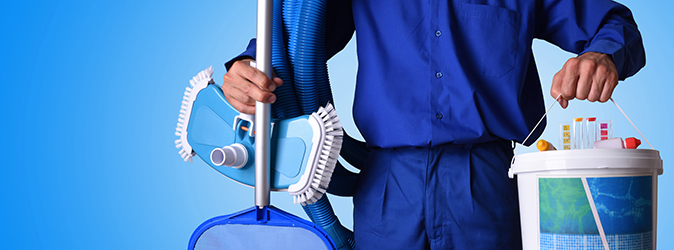
Once you've completed the pool shocking process, patience is key. It's important to wait at least 8 hours before swimming. This waiting period allows the chemicals to circulate and clean the water fully. After 8 hours, test the water to ensure the chlorine levels have returned to a safe range, typically below 3 parts per million (ppm). Only when these levels are confirmed safe is it advisable to dive back into your pool. Remember, this precaution safeguards your pool’s cleanliness and the health and safety of swimmers.
Common Mistakes to Avoid
- Not testing water first: Always test your water before and after shocking.
- Incorrect dosage: Follow guidelines for your pool size to avoid under or over-treating.
- Skipping pool maintenance: Always keep up with your other pool maintenance to help keep your pool clean and useable.
Add Home Warranty Protection
Even if you follow the perfect schedule for pool maintenance, systems sometimes break down. A First American home warranty covers your budget when breakdowns happen for many home systems and appliances – including pool and spa components. Check out our pool and spa warranty coverage for more information, and get a free quote to begin exploring the many benefits of coverage.
FAQs About Pool Shock
What is the proper way to add shock to a pool?
Always follow the manufacturer's instructions, wear safety gear, and ensure even distribution.
Are chlorine and shock the same thing?
No, chlorine and shock are not the same, though they are related to pool maintenance.
- Chlorine: A chemical used regularly in pool maintenance to sanitize the water. It kills bacteria, algae, and other harmful organisms, keeping the pool clean and safe for swimming. Chlorine is added to the pool in various forms (like tablets, granules, or liquid) and is used consistently to maintain cleanliness.
- Shock: Shocking your pool refers to adding a large dose of oxidizing chemicals (often a form of chlorine) to the water. This process breaks down chloramines, formed when chlorine combines with contaminants like sweat, oils, and urine. Shocking restores the effectiveness of chlorine in your pool by eliminating these chloramines and other contaminants. It's a periodic treatment, not a daily maintenance routine like adding regular chlorine.
In short, regular chlorine is for daily maintenance, and shock is a periodic, high-intensity treatment to rejuvenate your pool's water.
How much chlorine do you need to shock a pool?
This depends on your pool size and the product used. Generally, it's about 1 pound of shock per 10,000 gallons of water.
How much chlorine do you need to shock a pool with algae?
You may need more chlorine than normal when dealing with algae in your pool. The exact quantity depends on your pool's size and the algae problem's severity. However, as a general guideline:
- Light Algae Growth: You might need to triple the normal amount of chlorine used for shocking. Typically, this is about 1 to 1.5 pounds of shock per 10,000 gallons of pool water.
- More Severe Algae Issues: You may need to use a higher dose for a pool with moderate to heavy algae growth. This could be around 2 to 3 pounds of shock per 10,000 gallons of water.
Remember, these are general estimates. Make sure to test your pool's chlorine level before and after the treatment. The goal is to reach what's known as "breakpoint chlorination," when all algae are killed and chloramines are broken down. This often requires maintaining a high chlorine level (around 10 to 30 ppm) for several hours to a day, depending on the severity of the algae.
The contents of this article are provided for general guidance only. First American Home Warranty does not assume any responsibility for losses or damages as a result of using this information.
Please be aware that if you disassemble a covered system or item, it can invalidate your home warranty or manufacturer's warranty.