Your pool pump works hard behind the scenes. It circulates the water in your pool, keeping it clean and safe for swimming. But like any household system or appliance, it won’t last forever. Sooner or later, you’ll need to replace it.
Below, we’ll cover how long pool pumps last, what affects their lifespan, when it’s time to replace one, and whether a home warranty can help. Let’s dive in.
How Long Does a Pool Pump Last?
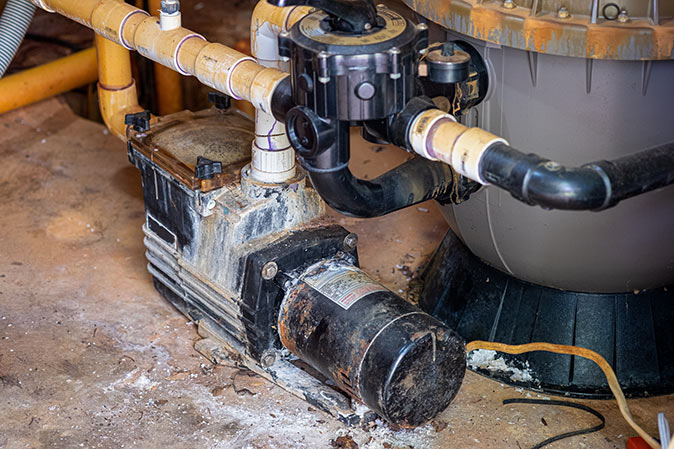
Most pool pumps last 8 to 12 years, depending on the model and how well they’re maintained. Single-speed pumps often fall on the lower end of that range, while variable-speed models tend to last longer. Some high-quality pumps can even run for over a decade with the proper care.
Once your pump hits the 10-year mark, though, it's a good time to start planning for a replacement pool pump.
Factors That Affect the Lifespan of a Pool Pump
Several things can impact how long your pool pump lasts:
- How often you use it: A pump that runs year-round will wear out faster than one used only during the summer.
- The type of pool you have: Saltwater pools can cause more corrosion, especially if the pump isn’t built for it.
- Water quality: Poorly balanced water can damage pump parts, especially seals and internal components.
- Climate and weather: Hot, humid, or freezing temperatures can shorten a pump’s life. Constant exposure to the elements may also lead to rust or electrical issues.
- Installation quality: A poorly installed pump can wear out faster due to stress or vibration.
- Maintenance: Cleaning out debris, checking filters, and keeping the pump well-lubricated can help it last longer.
Taking care of your pump and maintaining your pool can extend your pool pump’s lifespan by years.
Signs That It's Time to Replace Your Pool Pump
Not sure if your pump is failing? Here are a few red flags to look out for:
- It’s making strange noises: A pool pump shouldn’t be making any noises beyond a soft humming sound at maximum. When it’s making grinding, screeching, or rattling sounds, it usually means something’s wrong.
- The pool water looks dirty: If the pump isn’t circulating water properly, your pool may look cloudy or full of debris. You may have a clogged pump, or the filter isn’t working right. However, in some cases, the entire pump needs replacement.
- It keeps shutting off: A pump that won’t stay on could be overheating or have electrical issues.
- It’s losing suction: Weak water flow is often a sign of a worn-out motor or clogged parts.
- It’s getting old: If your pump is over a decade old and you notice problems, it may be time to replace it.
What Could Happen to Your Pool If You Don’t Replace the Pump?
A failing pump doesn’t just make your pool dirty — it can lead to bigger problems. Stagnant water can cause algae growth, clog your pool filters, and even damage your pool’s plumbing over time. Replacing a faulty pump helps you avoid these issues and keeps your pool clean and safe.
How Much Does a Replacement Pool Pump Cost?
A new pool pump can cost $200 to $6,000, depending on the type and brand. If you hire a professional to install it, labor might add another $200 to $500. Variable-speed pumps often cost more upfront but save you money on energy bills in the long run.
If you have a home warranty that includes pool equipment, you may only need to pay a service fee for repair or replacement.
Do Home Warranties Cover Pool Pump Replacements?
Yes, but only if you have the right kind of coverage. A standard home warranty usually doesn’t include pool equipment, but First American offers optional pool and spa coverage to add to your plan. This coverage option protects pool pumps, motors, valves, filters, and other key components that can help keep your system trouble-free.
Coverage like this isn’t included by default, so be sure to review your plan. If your pool pump fails due to normal wear and tear and it's covered, you can submit a service request to start the repair or replacement process.
How to Replace a Pool Pump
Replacing a pool pump isn’t always a DIY job. Most of the time, it’s best to call a licensed technician. Here’s what to expect:
- The technician will inspect your current pool pump.
- They’ll disconnect the old unit and remove it.
- They’ll install the new pump and make sure it fits your pool setup.
- Once installed, they’ll test it to make sure everything runs smoothly.
It’s a quick job for a professional, usually taking just a few hours.
Help Protect Your Pool With a Home Warranty
A working pool pump is key to a clean, safe swimming pool. Most pumps last 8 to 12 years, but the cost can add up fast when it’s time for a replacement. A home warranty with optional pool coverage can help with repair or replacement costs, saving you time and money in the long run.
Get your free quote today and see how a home warranty can help you protect your budget, so you can focus on keeping your pool in great shape all year.
The contents of this article are provided for general guidance only. First American Home Warranty does not assume any responsibility for losses or damages as a result of using this information.
Please be aware that if you disassemble a covered system or appliance, it can invalidate your home warranty or manufacturer's warranty.