
Standing Water in Your Yard? Here's What's Causing It
AUGUST 14, 2025 | Home Care Buzz Experts | 4 minute read
A little rain is good for your lawn, but if water sticks around for hours or days, that’s a sign something’s wrong. Standing water in your yard can kill grass, attract mosquitoes, damage your landscaping, and even lead to problems with your home’s foundation. Let’s break down what causes standing water, how to fix standing water issues in the yard, and when it’s time to call in a pro.
Common Causes of Standing Water in the Yard
1. Poor Drainage
The most common reason for standing water is poor drainage. Your yard may have low spots where water naturally collects. Over time, the soil in these areas can become so compact that it stops absorbing water altogether.
Signs: You might notice puddles that linger for hours or days after rain. The grass in these areas could be yellowing or dying, and moss may start to grow.
Fix: You can often fix poor drainage by adding soil to low spots and aerating your lawn to break up compacted areas. If water still collects, consider surface drains — also called channel drains — or French drains to redirect water to where it should go.
2. Compacted or Clay Soil
Heavy or compacted clay can’t absorb water quickly. Instead of soaking into the ground, rainwater stays on the surface.
Fix: Try aerating your lawn to loosen up the soil and help water soak in better. Mixing in compost or sand can also improve drainage in heavy clay areas. If the problem persists, adding a layer of topdressing each season can slowly improve your soil and help prevent future puddles.
3. Grading Problems or Improper Yard Slope
Yards should slope away from your home so that rainwater drains properly. If your lawn slopes toward the house or there are dips or uneven areas, water can get trapped and pool around the area.
Fix: Regrading the lawn can fix this, but it’s typically an expensive undertaking. If possible, dig a shallow trench or swale to redirect water flow. French drains are another popular solution.
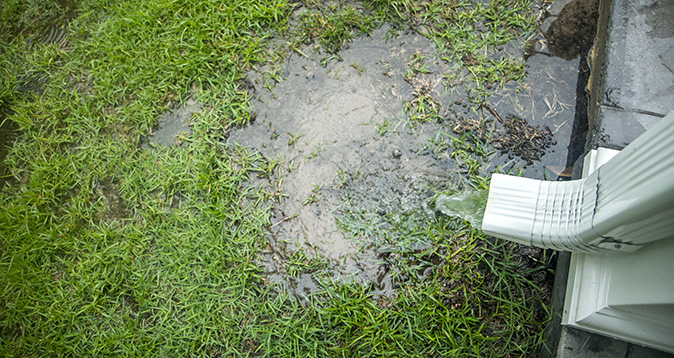
4. Gutter or Downspout Issues
When gutters or downspouts are clogged, broken, or pointed the wrong way, rainwater can pool near your home’s foundation. This quickly leads to oversaturated soil and standing water around your foundation.
Fix: You should regularly clean your gutters to prevent blockages. Make sure downspouts extend at least 4 to 6 feet away from your home. You can also use splash blocks or extensions to keep water moving in the right direction.
5. High Water Table or Seasonal Flooding
In some areas, groundwater sits just below the surface. After heavy rain, the soil can’t absorb much more, which can leave your yard waterlogged or even flooded during certain times of the year.
Fix: If this happens often, a sump pump, French drain, or dry well can help move excess water out of your yard and away from your home. You might also consider landscaping changes, like adding a rain garden, to give water a place to go and drain more naturally.
Other Signs Your Yard Might Need Drainage Help
Even if there’s no obvious puddle, these signs can hint at drainage trouble:
- Grass that feels squishy or spongy even when it hasn’t rained
- Lawn mower tracks that leave deep impressions
- Moss and mold or mildew growth on patio or walkway surfaces
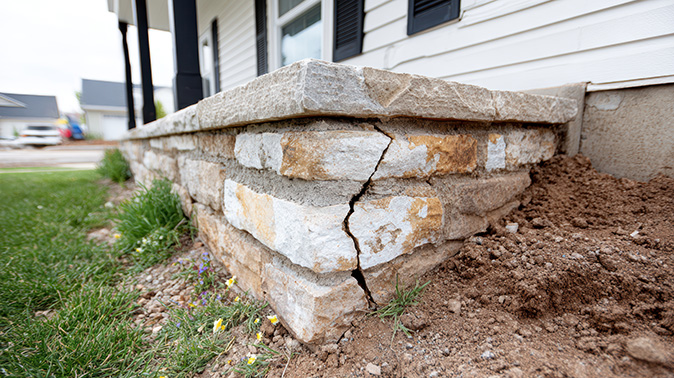
- Cracks in your home’s foundation
- An increase in mosquitoes or other bugs
- Plants or grass that seem stunted or keep dying
If you notice any of these problems, it’s a good time to investigate what is going on under the surface.
How to Get Rid of Standing Water in the Yard
There’s no one-size-fits-all fix, but start with these solutions:
- Aerate the lawn: Use a core aerator to punch holes in compacted soil and allow better water absorption.
- Fill low spots: Add a mix of sand, soil, and compost to level out sunken areas and improve drainage.
- Install French drains or dry wells: These help move water away from saturated areas and toward a drainage outlet.
- Check gutters and downspouts: Keep them clear of debris and moving water away from your foundation.
- Add a rain garden: This is a landscaped area with water-tolerant plants designed to collect and absorb runoff.
- Use gravel or mulch pathways: These materials allow for better water absorption compared to solid concrete surfaces.
- Install a sump pump: For areas with high water tables, a sump pump can help redirect water away from your yard, crawlspace, or basement.
- Talk to a drainage contractor: If DIY efforts aren’t enough, a professional can assess your property and recommend long-term solutions.
Why It’s Important to Act Quickly
Leaving standing water in your yard untreated can have long-term effects. Even if the problem seems minor now, it’s better to act before it causes damage.
Besides the risk of damage to your lawn or landscaping, trapped water can seep into your home’s foundation or crawlspace, leading to costly repairs. Mold, mildew, and structural damage aren’t just expensive, they’re also tough to fix.
Home Warranty Help for Your Home
While a home warranty from First American won’t cover standing water in your yard, it can give you a simple, budget-saving solution for repairing or replacing many home appliances and systems.
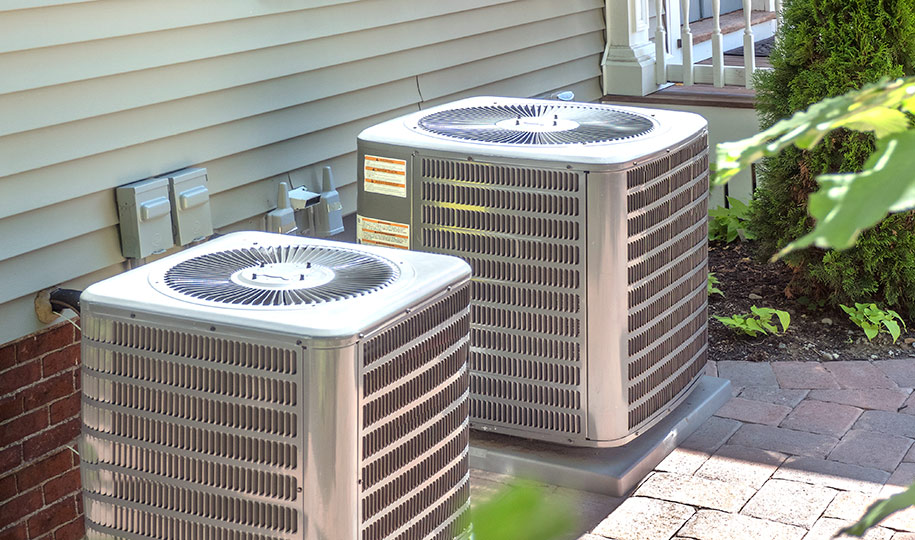
Your home warranty can help with covered repairs to items such as your indoor plumbing, HVAC system, or electrical, and major appliances like your oven, dishwasher, refrigerator, and more. Get a free home warranty quote to see what’s included and how we can help protect your home systems and appliances.
The contents of this article are provided for general guidance only. First American Home Warranty does not assume any responsibility for losses or damages as a result of using this information.
Please be aware that if you disassemble a covered system or item, it can invalidate your home warranty or manufacturer's warranty.



Keep Reading







Home Care Buzz Experts
The First American Home Care Buzz team is made up of experienced home warranty writers and editors. Our team provides valuable insights and information to help homeowners like you meet the daily challenges of homeownership.
This article is about...