
Trash Compactor Repair: Common Problems and Fixes
SEPTEMBER 03, 2025 | Home Care Buzz Experts | 5 minute read
A trash compactor makes it easier to manage kitchen waste, but it can quickly become a problem when it stops working. Whether it’s jammed, won’t start, or smells like last week’s leftovers, a broken trash compactor can throw off your entire kitchen routine.
Knowing how to fix trash compactors can help you avoid the hassle of calling for service when your appliance breaks. This guide covers the most common issues that can lead to trash compactor repairs and what you can do to keep your compactor running smoothly.
Common Trash Compactor Problems
Trash compactors are simple in design but can have problems like any other kitchen appliance. Some of the most common reasons you may need to fix a trash compactor are:
1. Trash Isn’t Compacting
If your trash compactor turns on but isn’t compressing the trash, a few things could be going on. A worn, loose, or broken drive belt might not be turning the ram that pushes down on the trash. Gears or directional switches may also wear out over time. In some cases, you might hear the motor running or humming, but the trash looks untouched. Compacting heavy items like glass bottles or metal cans can put extra strain on the compactor and wear out internal parts faster.
2. It Won’t Turn On
If nothing happens when you press the start button, check the power supply. Make sure your trash compactor is plugged in, the outlet has power, and that your circuit breaker hasn’t tripped. If the power is on and the unit still won’t run, the issue could be a faulty start switch or motor. Some units also won’t operate unless the drawer is completely closed, so double-check the door alignment.
3. Jammed or Stuck Drawer
A stuck trash compactor drawer is a common problem, especially if something has blocked the tracks or gotten wedged under the ram. Overfilled bins, hard materials, or loose debris can prevent the drawer from opening or closing properly. Trying to force it can damage the tracks, so it’s important to carefully clear any obstruction before attempting to fix it.
4. Loud or Strange Noises
Grinding, buzzing, or knocking sounds can signal that something is wrong. A grinding noise might mean the gears or motor bearings are worn out. A buzzing sound could point to a jammed motor or misaligned ram. If you hear popping, clicking, or any other unusual noise, turn off the unit and unplug it right away. There may be something caught inside the drawer or under the ram. Catching and fixing these problems early can help avoid more serious damage and a potentially costly trash compactor repair.
5. Strong Odors
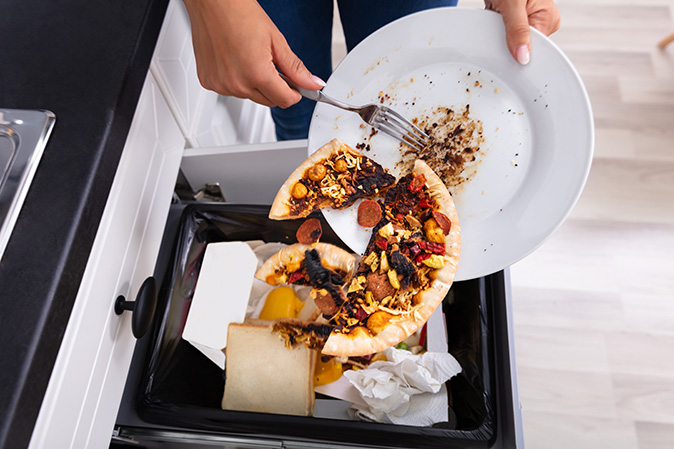
Trash compactors are prone to developing odors if they’re not cleaned regularly. Bad smells can come from leftover food or spills trapped under the ram or inside the drawer. Over time, bacteria can build up in those tight spaces, especially if the compactor isn’t cleaned often. If your unit smells even after emptying the drawer, it may be time for a deep clean.
How to Fix Trash Compactors
If your trash compactor isn’t working, try these steps to troubleshoot the problem yourself. Always unplug the appliance before starting any repairs.
For Power Issues
- Plug a different device into the same outlet to check for power.
- Reset your home’s circuit breaker, if needed.
- If the unit still doesn’t turn on, the motor or switch may need professional service.
For Jams or a Stuck Drawer
- Press the Reset button, typically located behind the toe panel, and hold it for a few seconds.
- Use a flashlight to check under the ram and along the tracks for blockages.
- Use tongs or pliers to remove anything stuck. Don’t try to force the drawer open.
- Clean the tracks and rollers to help the drawer slide more easily.
For Trash That Won't Compact
- Check the drive belt for wear or damage. If the belt looks loose or broken, it likely needs to be replaced.
- If the ram doesn’t move at all, a motor or directional switch problem could be the cause. These parts often require intermediate repair skills or professional help.
For Loud Noises
- Look inside the drawer cavity for any objects that could be causing a jam.
- Buzzing could signal a stuck motor, while grinding noises may point to worn gears or bearings.
- If you can’t fix it easily, it may be time to call a pro for a trash compactor repair.
For Odors
- Remove the drawer and clean it with warm, soapy water.
- Wipe down the ram and interior surfaces with a vinegar or baking soda solution.
- Let all parts dry completely before reassembling.
When to Call for Waste Compactor Repairs
Some waste compactor repairs are best left to the pros, especially if they involve electrical components or internal parts you can’t access. Signs that it’s time to call in a pro include:
- You smell burning or see smoke around your trash compactor
- The motor runs continuously without compacting
- The drawer is completely stuck
- You’ve already replaced a part and the problem continues
Preventing Trash Compactor Issues
Preventing problems is easier than dealing with repairs. Follow these steps to help extend the life of your trash compactor:
- Don’t overfill the drawer or force items inside
- Avoid compacting wet or sticky waste
- Clean the drawer and ram regularly to prevent buildup
- Empty the unit before it’s completely full
- Have the appliance professionally checked every year or two
With just a little routine care, you can reduce the need for a trash compactor repair and keep yours running smoothly.
Is a Trash Compactor Repair Covered by a Home Warranty?
A First American home warranty can help take care of the repair or replacement of your trash compactor when it breaks down due to normal wear and tear. When you have our comprehensive coverage, you can request service 24/7 when you notice problems like a power failure, mechanical jams, or poor compaction. Review your contract to determine if a compactor is included in your coverage.
Keep Your Kitchen Running Smoothly
When your trash compactor works, you hardly think about it. But when it stops working, it can quickly become a hassle. You can save time and stress by trying these simple DIY fixes. Better still, if you have home warranty coverage, you can simply make a service request.
Besides trash compactors, our home warranty plans cover many additional appliances and systems you use every day to help keep your household running smoothly. Learn about our coverage, the budget protection it provides, and the peace of mind it offers.
Get a free quote today and see how First American Home Warranty can help protect your budget from unexpected repair and replacement costs.
The contents of this article are provided for general guidance only. First American Home Warranty does not assume any responsibility for losses or damages as a result of using this information.
Please be aware that if you disassemble a covered system or item, it can invalidate your home warranty or manufacturer's warranty.



Keep Reading





Home Care Buzz Experts
The First American Home Care Buzz team is made up of experienced home warranty writers and editors. Our team provides valuable insights and information to help homeowners like you meet the daily challenges of homeownership.
This article is about...