
Troubleshooting for Water Softeners: How to Identify and Fix Issues
AUGUST 08, 2024 | Home Care Buzz Experts | 6 minute read
Water softeners are a necessity for households struggling with hard water. The benefits of water softeners include softer laundry, longer-lasting appliances, and fewer plumbing issues. However, problems with water softeners happen, even with top-of-the-line models. In this blog, we'll explore the most common issues you might face with your water softener and straightforward solutions to keep your system running smoothly. Whether you're troubleshooting an existing unit or considering installing a new one, understanding how to handle these challenges can help you tackle proper water softener maintenance.
How Do Water Softeners Work?
Before we start water softener troubleshooting, you should understand how water softeners work. They remove minerals like calcium and magnesium, which cause water hardness, through a process called ion exchange. As hard water flows through the softener's resin tank, its negatively charged resin beads attract and hold onto the positively charged hard minerals. In exchange, the beads release sodium ions into the water. Periodically, the system regenerates, flushing out the accumulated hard minerals with a saltwater solution from the brine tank and resetting the resin beads to continue softening incoming water.
Signs Your Water Softener is Not Working
Identifying early signs of water softener problems can ensure your system continues to provide the best possible water quality. Here are some common indicators that your water softener might not be working correctly:
- Changes in water hardness: If your soap doesn't lather well or your skin feels itchy after a shower, it could mean your water softener isn't effectively removing minerals like calcium and magnesium.
- Salt bridges: Salt bridges occur when a hard crust forms in your brine tank, creating a gap between the water and the salt. This prevents the salt from dissolving into the water to regenerate the resin beads, which is crucial for the softening process. You can identify this issue by looking for a crusty layer in the tank.
- Frequent regeneration cycles: A water softener that regenerates more frequently than usual is likely not going to function efficiently. This could be due to problems with the control valve or the settings, causing it to use more salt and water than necessary, increasing your utility bills without improving water softness.
- Resin beads issues: Resin beads are the heart of your water softener. If they start to break down or become fouled, they won't be able to soften the water effectively. You might notice the tiny beads in your water or a decline in water pressure, which can indicate that it's time to replace the resin.
Recognizing these signs can help you maintain the effectiveness of your water softener and ensure you continue to enjoy high-quality water in your home. If you notice any of these issues, it might be time to consider a service check or a discussion about new water softener options.
Troubleshooting Water Softener Issues
When your water softener shows signs of a problem, a little troubleshooting can go a long way. Here's how you can address 11 common issues before calling in the professionals:
1. Check for Clogs in Filters
Filters can become clogged with sediment and impurities, stopping water flow and slowing efficiency. Regularly inspect and clean your filters (both faucet filters and water softener filters if you have them) to ensure they're clear and functioning correctly.
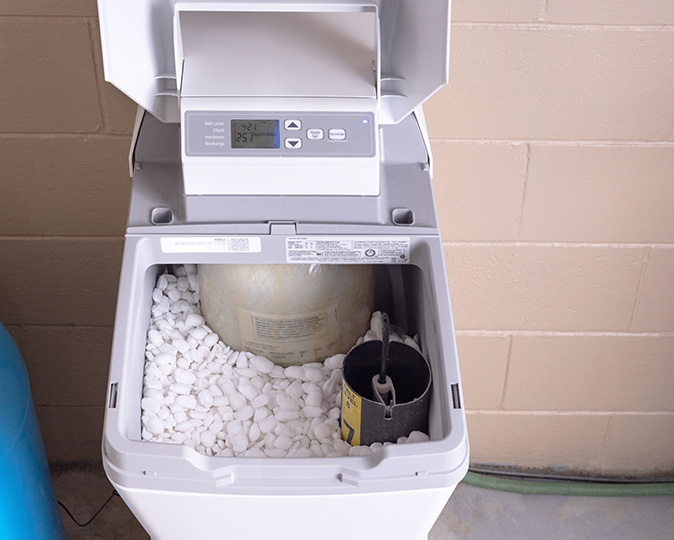
2. Check for Salt Piling Up in the Brine Tank
Salt piling or "mushing" at the bottom of the brine tank can disrupt the regeneration cycle. Gently break up any noticeable salt formations and ensure there is adequate water above the salt to form a brine.
3. Is the Brine Tank Full of Water?
A brine tank shouldn't be overly full of water. If it is, this could indicate a problem with the float switch or a valve failure, preventing the tank from cycling correctly during regeneration.
4. Is the Softener Using Too Much or Too Little Salt?
Check the salt level in your brine tank. If it's using too much salt quickly, it might be regenerating too often. Conversely, if the salt level barely changes, it may not be regenerating enough, or the salt may be bridged (not in contact with the water).
5. Check for Leaks Around the Tank
Look for moisture or water pooling around the base of your water softener. Leaks can indicate problems with the water softener's tank or fittings, which you should address immediately to avoid water damage.
6. Softener Problems After Power Outages
Power outages can reset your system settings or disrupt the timer. After an outage, verify that all settings are correct and that the timer aligns with your water usage needs.
7. Check System Settings for Motor and Timer Issues
Ensure the motor functions correctly and the timer settings are appropriate for your water usage. Incorrect settings can lead to improper regeneration cycles.
8. Is the Regeneration Cycle Running Properly?
Monitor the regeneration cycle. It should run sparingly or infrequently. If the cycle timing seems off, it might need a settings adjustment or component check.
9. Is There Brown Sludge or Sediment in the Resin Tank?
If you find sludge or sediment, it could be due to iron or other minerals in the water clogging the resin. Cleaning or replacing the resin may be necessary to resolve water softener issues.
10. Check the Water Pressure Going into the System
Low water pressure might indicate a clog or blockage before the water enters your softener. To ensure optimal performance, ensure the pressure is within the system's operating range. You can find this range in the manual or online, and you'll want to make sure your system can handle the amount of water you use.
11. Check the Valve for Water Coming Out of the System
Inspect the valve where treated water exits the system. Any blockage or leak can affect water pressure and your softener's performance.
When to Call a Professional
If you've tried troubleshooting the water softener and it still isn't working correctly, or if the problem is too complex, such as a valve failure or motor issues, it's time to call a professional. Expert intervention can prevent further damage and ensure your system is properly repaired or adjusted.
Home Warranty Coverage for Water Softeners
While troubleshooting water softener issues can help with the small stuff, home warranty coverage for your water softener can save you from unexpected repair costs. A home warranty may help repair or replace your water softener for covered issues. We're here to help ensure your water treatment system continues to provide the soft, clean water you and your home deserve. Get a free home warranty quote today to learn more.
If you already have a home warranty, learn how to add water softener coverage to your home warranty.
FAQs About Water Softener Troubleshooting
How do I tell if a brine tank is clogged?
Poor water flow during regeneration, unusually high water levels, visible salt bridges, and sediment buildup are all signs of a clogged brine tank.
How do you know if your water softener is not working properly?
Signs include changes in water hardness, frequent regeneration cycles, excessive salt usage, and spotting on dishes or laundry.
Why is salt not dissolving in my water softener?
Salt may not dissolve in your water softener if there's a salt bridge, salt mushing at the bottom of the brine tank, or inadequate water levels preventing proper contact with the salt.
Should there be water in my water softener salt tank?
Yes, there should be water in your water softener salt tank, but not too much. Typically, water should be a few inches above the salt level to allow for proper brine creation.
How do you test a water softener?
To test a water softener, check the hardness of your home's water with a water test kit before and after the softening process. Ensure that the system cycles and regenerates according to the settings.
How long do water softeners last?
Water softeners typically last between 10 to 20 years, depending on maintenance, the quality of the unit, and the hardness of the incoming water.
The contents of this article are provided for general guidance only. First American Home Warranty does not assume any responsibility for losses or damages as a result of using this information.
Please be aware that if you disassemble a covered system or item, it can invalidate your home warranty or manufacturer's warranty.

Keep Reading







Home Care Buzz Experts
The First American Home Care Buzz team is made up of experienced home warranty writers and editors. Our team provides valuable insights and information to help homeowners like you meet the daily challenges of homeownership.
This article is about...