
What Are Prepaid Costs When Buying a Home?
SEPTEMBER 30, 2025 | Home Care Buzz Experts | 5 minute read
You’ve saved for your down payment, researched closing costs, and you're ready to sign your closing documents. But then your real estate agent brings up something called "prepaids," which aren’t optional. If you’re like most first-time buyers, prepaid costs can feel like surprise charges you weren’t expecting.
Many buyers don’t learn about prepaid costs until the last minute, when it is too late to budget for them. Planning ahead and setting aside funds to cover your prepaids early on can help you avoid surprises and stay financially prepared. Read on to learn everything you need to know about prepaids.
What Are Prepaid Costs?
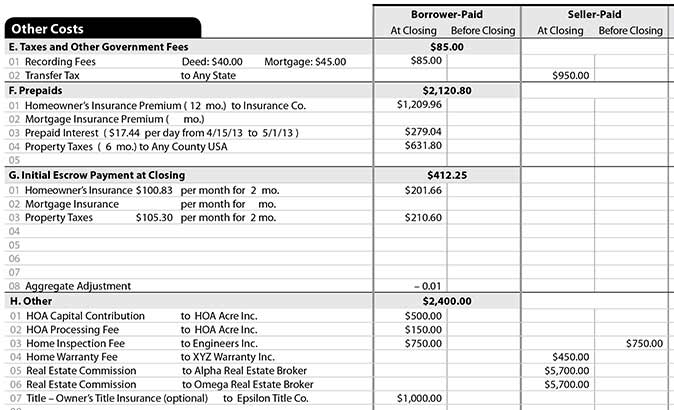
You’ll see both prepaid costs and closing costs on your closing documents. Prepaid costs, or “prepaids,” are upfront payments you make at closing to cover upcoming home-related expenses. These typically include:
- Homeowners insurance – Most insurance companies require up-front payment for the first year.
- Property taxes – You’ll pay a pro-rated amount for the remainder of the year.
- Mortgage interest – You’ll pay interest on your loan for the rest of the month.
- Mortgage insurance (if applicable)
Similar to prepaid costs, you may also need to deposit funds into an escrow account (if your lender requires it) at closing. While prepaids are one-time payments to cover upcoming expenses, an escrow account serves as a “holding account” for ongoing reserves throughout the life of a mortgage loan, ensuring that when insurance bills and property taxes come due, they’re already covered.
How Does an Escrow Account Work?
Each month, you pay a portion (typically 1/12) of your homeowners insurance premium and property taxes on top of your mortgage payment. These funds are held in your escrow account. When your insurance bill and property taxes come due, your lender pays them with the money you’ve accumulated in your escrow account.
If you’re a first-time buyer, escrow accounts are often mandatory, especially if you put less than 20% down or have a federally backed (FHA, USDA) or VA loan. Escrow accounts can help homeowners avoid the sticker shock of hefty annual insurance bills and property taxes. Some homeowners opt out of having escrow accounts because they prefer to pay their homeowners insurance and property taxes on their own.
However, even if you forgo an escrow account, you’ll likely still have to pay six months to a year of homeowners insurance at closing, along with prorated property taxes.
Prepaid Costs vs. Closing Costs
Closing costs, on the other hand, are one-time fees associated with completing your real estate transaction. They generally include property appraisals, credit checks, title searches, processing fees, real estate commissions, and more. These fees go directly to the various service providers handling their respective parts of the transaction.
Think of it this way:
- Closing costs = the costs due when your real estate transaction is completed (closes)
- Prepaids = advance payments for your upcoming homeownership expenses

A Closer Look at Prepaid Costs
1. Homeowners Insurance Premium
Most lenders require you to prepay 6 to 12 months of homeowners insurance before closing. This ensures that your home is protected on your first day of homeownership.
2. Property Taxes
You’ll prepay property taxes at closing for the remainder of the calendar year. The amount depends on your local tax rate and when you close. For example, if your annual property tax is $4,000 and you close in October, you might pay about $1,000.
3. Prepaid Mortgage Interest
Mortgage interest is paid in arrears, meaning your first monthly mortgage payment covers the previous month’s interest. That’s why you prepay daily interest from your closing date to the end of the month. To save on this cost, many buyers try to close near the end of the month.
4. Mortgage Insurance (if applicable)
If your down payment is less than 20%, you may be required to prepay mortgage insurance. This could include private mortgage insurance (PMI) or an upfront mortgage insurance premium (MIP) if you use an FHA loan. The MIP typically equals 1.75% of the loan amount.
5. Initial Escrow Deposit (if applicable)
If your lender requires, or you choose, to have an escrow account, you’ll have an item on your closing disclosure for “Initial Escrow Payment at Closing. The initial deposit typically includes a portion of your homeowners insurance, property taxes, and mortgage insurance (if required). Your lender will determine how much of each is needed.

Where to Find Prepaid Costs on Closing Documents
After applying for a mortgage, your lender is required to list estimated prepaid costs in your Loan Estimate (usually under "Other Costs"). You’ll receive this within three business days after applying.
The final numbers appear in your Closing Disclosure, delivered at least three business days before closing. Be sure to compare both documents so you understand what changed and why. If your closing date moves, your prepaid costs may also change, because they’re based on the number of days between the closing date and the last day of the month.
Take the Next Step Toward Confident Homeownership
Prepaid costs are just one part of the whole picture when buying a home. Planning for them beforehand can help you feel more prepared and avoid unexpected expenses at closing. A First American Home Warranty can also help you avoid unexpected costs.
Our comprehensive plans help protect your budget from costly repairs and replacements when covered home appliances and systems break. If you’re in the process of buying a home, talk to your real estate agent about including a home warranty in your purchase — and ease into homeownership with added peace of mind.
Ready to learn more? Check out our coverage options and see how we can help homeowners handle the unexpected.
FAQs on Prepaid Costs When Buying a Home
What are prepaids on a mortgage?
Prepaids are upfront costs paid at closing. They cover future bills and are placed in your escrow account (if you have one).
What are prepaid costs when buying a home?
Common prepaids include homeowners insurance premiums, property taxes, and the initial escrow deposit. If required, mortgage insurance may also be prepaid.
Who pays property taxes at closing?
The buyer pays prorated property taxes from the closing date through the end of the year.
How are prepaid costs different from closing costs?
Closing costs are one-time fees associated with completing a real estate transaction. Prepaids are payments toward future expenses that begin once you own the home.
Can you negotiate prepaid costs?
Not usually. They’re tied to various homeowner expenses such as your local tax rates, your homeowners insurance premium, and your mortgage rate. But you can shop around for the best homeowners insurance and mortgage rates.
The contents of this article are provided for general guidance only. First American Home Warranty does not assume any responsibility for losses or damages as a result of using this information.



Keep Reading









Home Care Buzz Experts
The First American Home Care Buzz team is made up of experienced home warranty writers and editors. Our team provides valuable insights and information to help homeowners like you meet the daily challenges of homeownership.
This article is about...