
Master Guide to Electric and Gas Home Heating Systems
OCTOBER 06, 2023 | Home Care Buzz Experts | 5 minute read
Choosing the right heating system will keep your home cozy during the colder months — but choosing the wrong one can make for chilly nights and high utility bills. Two popular options for home heating are electric and gas systems. In this blog, we'll explore the differences between heating with electric vs gas, go over their pros and cons, and provide some tips for selecting the best option for your home.
Electric vs Gas Heating: Understanding the Differences
While heating sources like propane and wood are still around, they're much less efficient and more expensive than natural gas and electricity. That's why almost 90% of US homes use electric or natural gas heating systems. Let's go over how they work.
How Do Electric Heaters Work?
Electric home heating systems use heating elements made from materials that don't allow electricity to pass through easily. So, when electricity is forced through them, they resist and produce heat — kind of like the coils in a hair dryer. Your furnace fan then pushes the warm air through your home's duct system. This process is controlled by your thermostat, which reads the indoor temperature and tells the furnace when to turn on and off.
How Does a Gas Heater Work?
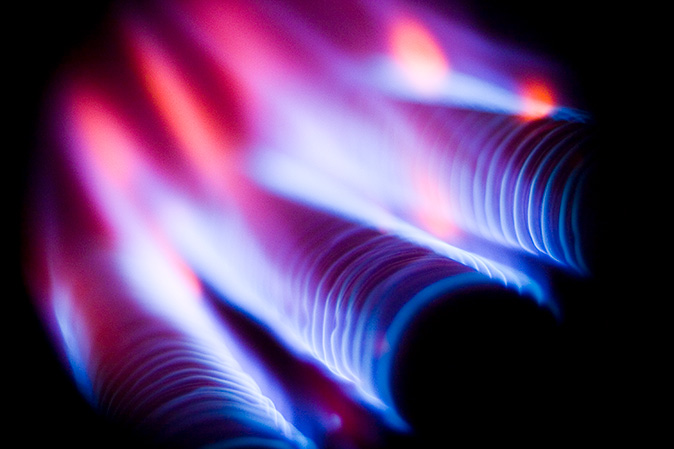
Gas furnaces use combustion to generate heat. This can be broken down into a few simple steps. First, your home's furnace must be hooked up to a gas line. The gas is directed to a chamber where it mixes with air, creating a combustible fuel. Your furnace's pilot light ignites the fuel when it receives a signal from your thermostat. The furnace fan pushes the heat from the burning fuel through your home through air ducts.
Something to note: Since gas heaters use natural gas and flames to heat your home, they're made with temperature sensors (thermocouples) that shut off the gas supply if anything goes wrong with the combustion process. This feature keeps your household safe from gas leaks and other hazards when you use a gas furnace.
Pros and Cons: Electric vs Gas Heating
Whether you're researching a gas or electric heater for household climate control, you'll want to know the pros and cons before making your choice. Let's go over a few of each to help you make the right decision when it's time to purchase a new furnace.
Electric Home Heating Pros
- Ease of Installation: An electric house heater is typically easier to install because it doesn't require gas lines or special venting systems.
- Safety: Electric furnaces do not produce carbon monoxide or combustion byproducts, which can make them safer.
- Energy Efficiency: Electric heaters convert nearly all the energy they consume into heat, resulting in high energy efficiency.
More on Heating Your Home Efficiently
Electric Home Heating Cons
- Higher Operating Costs: Electric heaters generally have higher operating costs than gas heaters, especially in regions with high energy costs.
- Limited Heating Capacity: Electric heaters may struggle to warm larger spaces or during extreme weather conditions. A whole-house electric heater may not be the best for these situations.
Gas Home Heating Pros
- Cost-Effective: Natural gas tends to be cheaper than electricity, making a natural gas heater for homes a cost-effective choice where available.
- High Heating Capacity: Gas heaters are known for their powerful heating capabilities, making them ideal for larger homes or those in colder climates.
- Reliability: Gas furnaces and heaters use little to no electricity. So, if your electricity use is limited during peak load times, you can still use your gas furnace.
Gas Home Heating Cons
- Complex Installation: Gas heaters require proper venting systems and access to a gas supply, which can make installation more challenging.
- Safety Considerations: These furnaces require proper maintenance and ventilation to prevent gas leaks and ensure safe operation.
- Combustion Byproducts: Gas heaters produce byproducts like carbon monoxide, which can leak and harm your family.
Choosing the Best Heating System for Your Home

When considering electric vs gas heating for your home, there are a few factors to consider:
Home Size and Insulation
Assess the size of your home and its insulation quality. Larger homes and poorly insulated spaces may need the powerful heating ability of gas systems. Smaller and well-insulated homes may see more benefits from electric heating.
Energy Costs
Compare the costs of electricity and gas in your area to decide the most cost-effective choice. Consider long-term operating costs and the expected lifespan of the system when making a purchasing decision.
Local Climate
Consider the climate in your region. If you live in an area with extremely cold winters, a gas heating system may be better equipped to handle the demand since it can produce higher temperatures.
Lifestyle Preferences
Electric home heating systems may be better for families who want a smaller carbon footprint. Going electric may also be required, depending on where you live, as some states and cities have banned gas furnaces and stoves to reduce emissions.
Maintenance Tips for Electric and Gas Home Heating Systems
Regardless of what type of furnace you choose, regular maintenance will help keep it working efficiently and extend its lifespan. Here are a few general tips:
- Keep it Clean: Regularly clear dust and debris from your system to keep it at maximum efficiency. Refer to the manufacturer's guidelines for cleaning and maintenance schedules and procedures.
- Call the Pros: Arrange for annual inspections by a qualified technician to look for potential issues and make sure your furnace is working safely. Pro tip: If you have a home warranty with HVAC tune up coverage, you can contact First American to have your system inspected.
- Replace Those Filters: Regularly clean or replace your air filters to prevent dust buildup and keep things flowing.
- Safety First: If you have a gas heater for home climate control, make sure you have carbon monoxide detectors. Also, pay attention to signs of gas leaks. These can include hissing sounds, a sulfur smell (think rotten eggs), or even feeling dizzy or flu-like.
- Protect Your System: Consider enrolling in home warranty coverage to protect your furnace and more from unexpected breakdowns. Learn more about heating system coverage from First American to find out what's included with membership.
Electric or Gas? The Choice is Yours.
Both electric and gas home heating systems offer effective ways to keep your home safe and warm when it's cold outside. Understanding their differences is key when it comes to choosing the right one for your home. Consider the pros and cons of each system and evaluate your specific needs when making your decision so you can maximize its performance and longevity for years to come.
Related: Looking for another choice for electric home heating and cooling? Check out our Guide to Heat Pumps.
Regardless of what you choose, protecting your heating system with a home warranty is always a smart choice. Get a free quote today to get started.
The contents of this article are provided for general guidance only. First American Home Warranty does not assume any responsibility for losses or damages as a result of using this information.
Please be aware that if you disassemble a covered system or item, it can invalidate your home warranty or manufacturer's warranty.



Keep Reading





Home Care Buzz Experts
The First American Home Care Buzz team is made up of experienced home warranty writers and editors. Our team provides valuable insights and information to help homeowners like you meet the daily challenges of homeownership.
This article is about...