
Your Complete Final Walk-Through Checklist Before Closing
JUNE 07, 2024 | Home Care Buzz Experts | 5 minute read
The final walk-through is one of the last steps in the home-buying process and something homebuyers often overlook. However, you should always take the time for a final walk-through. A lot can happen in the time between your inspection and closing. Ensuring everything works correctly can save you headaches once the property becomes your responsibility.
You might have a lot to do and a lot on your mind during this period, but this handy final walk-through checklist can help you complete this critical step in the home-buying process.
What is a Final Walk-through?
As the name implies, the final walk-through is the homebuyer's last chance to walk through the home before the sale is final. This process is not intended as a second home inspection or to find new issues — it is to confirm that everything is in the expected and agreed-upon condition, as detailed in the purchase agreement. If you requested any repairs as a part of the deal, this is your chance to ensure they were properly completed. You don't want to end up paying for something you're not actually getting.
The final walk-through usually takes place a day or two before the closing day. This also ensures the sellers have moved out and the home is empty. The seller should have left the utilities on, and the home should be move-in ready.
How long the final walk-through takes will depend on the type and size of the home you are buying. Most homebuyers spend around an hour walking through the property for average-sized homes where a few minor repairs were stipulated. The process can take three to four hours for larger and older homes or those where critical repairs were requested. However, you can streamline the process by preparing for the final walk-through beforehand.

Preparing for the Final Walk-through
It's not a great idea to attend your final walk-through with the expectation that your real estate agent will handle everything. While they'll be crucial for this task, you should be prepared for your walk-through to help you make the most of your time. First, make sure you have:
- Your real estate agent: Make sure your agent is with you for the final walk-through. They understand home buying and selling and can guide you through the process.
- The purchase agreement: This document details the specifics of what is included in the sale. This document will list any appliances or other items that are part of the purchase and any repairs the seller has agreed to make.
- The home inspection report: Your home inspection report is crucial for comparing the condition of home from the time from the time you signed the contract to its current condition.
- Your phone charger or other compact electrical device: You'll want to check that all electrical outlets on the property are working correctly. If they aren't working, you'll be responsible for repairing them after the sale is final, which can be costly.
- The floor plan: Bring a copy of the floor plan that shows any areas that need special consideration per the inspection report. This can include parts of the home where repairs are needed or were agreed upon.
It's also a good idea to review documents like the purchase agreement and home inspection report before you arrive for the final walk-through. The home inspection report will be vital in determining what parts of the home you'll want to survey. Trying to look through these and making a mental plan on the fly may cause you to overlook important concerns, so it's best to come prepared.
Final Walk-through Checklist
1. Confirm that any needed repairs were made
Often, the home inspection will uncover problems that should be addressed before the sale is complete. If you requested that the seller fix any items, and they agreed, these repairs or replacements should be completed before the final walk-through.
2. Make sure everything you expect is still there
Anything bolted, mounted, or nailed down is considered part of the house and should be present. The seller often agrees to leave items such as kitchen appliances, window treatments or coverings, or furniture. These items should be detailed in the purchase agreement.
3. Check doors and windows
Open and close all the doors and windows to ensure they work, and check latches, locks, or deadbolts. If any screens are missing, you should note that.
4. Check the plumbing fixtures
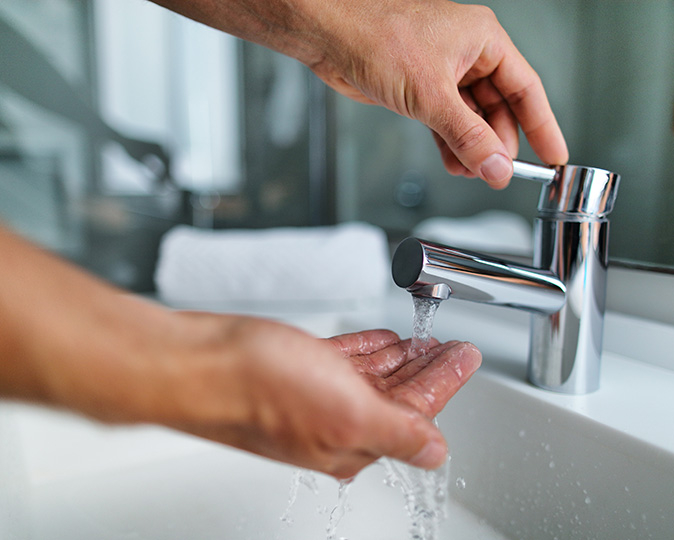
As you walk through the bathrooms, flush the toilets and check the faucets (including the shower head). Also, run the kitchen sink faucet and observe the water pressure flowing from each faucet. Confirm hot water works in all faucets, and that sinks and tubs drain as expected.
5. Check for mold or water damage
As you examine the kitchen, laundry room, and bathrooms, check for water stains or signs of mold on floors, ceilings, and walls. Also look for mold or stains around window frames.
6. Test the electrical
As you move through the house, test the electrical switches and outlets. You can use your phone charger, or your real estate agent may have an outlet tester. Also, check doorbells, the garage door, and the security system, if there is one.
7. Test the heating and air conditioning
No matter the actual temperature on the day of your walk-through, check the heating and air conditioning systems to confirm they are in working order.
8. Test any appliances
If the seller agrees to leave appliances, test them all. Confirm the garbage disposal works and that the oven heats and burners operate correctly. Run the dishwasher through a cycle. Run the clothes washer and dryer. Do the same for any other appliances that are included with the home purchase.
9. Walk around the outside
Check outside hose bibs for water and the irrigation system for water and power (if necessary). Again, make sure everything is working as expected. Check sheds or storage buildings to ensure no unwanted items have been left behind. Also, check to see if the previous owner decided to dig up any plants to take with them.
Depending on the purchase agreement, the seller typically waits until closing to hand over items like community pool, clubhouse, or mail keys, as well as remotes, manuals, and warranties. If any appliances or systems are still under warranty, the seller can also provide those and any user guides or manuals.
After the Final Walk-through
So, what happens after the final walk-through? If you find anything amiss or something the seller agreed to is missing or hasn't been done, take pictures and send them to your real estate agent. What can buyers demand at the final walk-through? You can negotiate with the seller for items previously agreed upon or something new and vital to buying the home.
Your real estate agent can add these things to a contract amendment you and the seller negotiate. If the seller can't correct the issues before the final sale date, they can agree to correct them or offer credits that reduce the sale price
Being prepared and willing to spend a little time on the final walk-through is a worthwhile investment of your time. You don't want to move in only to discover a sudden plumbing problem, a non-functioning appliance, or another issue that could have been discovered before the closing process begins. Taking advantage of this opportunity and bringing this final home walk-through checklist could save you a lot of money and time dealing with these things yourself.
Sometimes, however, things do break when you least expect or can afford to fix them. This is where a home warranty can help both homebuyers and sellers. If an appliance or home system included in your home warranty coverage breaks during closing or after the sale, a real estate home warranty can help handle the hassle and protect everyone’s budget. Talk to your real estate agent about how a home warranty can help, and get a free quote today!
The contents of this article are provided for general guidance only. First American Home Warranty does not assume any responsibility for losses or damages as a result of using this information.



Keep Reading








Home Care Buzz Experts
The First American Home Care Buzz team is made up of experienced home warranty writers and editors. Our team provides valuable insights and information to help homeowners like you meet the daily challenges of homeownership.
This article is about...