
How to Drain a Water Heater in 8 Steps
JUNE 09, 2025 | Home Care Buzz Experts | 4 minute read
Project Overview

Intermediate

4 Hours

< $150
All Values are Estimates
Draining a water heater isn’t the first thing that homeowners typically think about when creating a home maintenance checklist. Draining it at least once a year can help it run more efficiently and extend its lifespan.
This guide breaks down how to drain a hot water heater in clear, simple steps. After you drain it once or twice, you’ll get the hang of it — and it’ll take less time in the future.
Why Should You Drain a Water Heater?
You should drain a hot water heater to help it run smoothly and last longer. Over time, minerals and sediment can build up inside the tank, especially if you have hard water. That buildup can lead to clogs, corrosion, and even leaks.
Draining the tank is a key part of water heater maintenance, as it helps clear out the gunk in the system and prevent costly problems down the road.
How Often Should You Drain a Water Heater?
You should drain your water heater once a year. If you have hard water, consider draining it every four to six months to reduce sediment buildup.
What to Do Before Draining a Water Heater
Here are a few safety checks to take care of before getting started:
- Read the manufacturer’s instruction manual to help you understand any recommendations specific to your water heater.
- Locate the water shutoff valves for the water heater and your entire house. You probably won’t need the main water shutoff valve, but knowing where it is in an emergency is helpful.
Tools and Materials You’ll Need
- Garden hose
- Large bucket
- Flathead screwdriver
- Threaded hose cap (optional for leaks)
How to Drain a Hot Water Heater
Follow these steps to drain your water heater.
1. Shut Off the Water
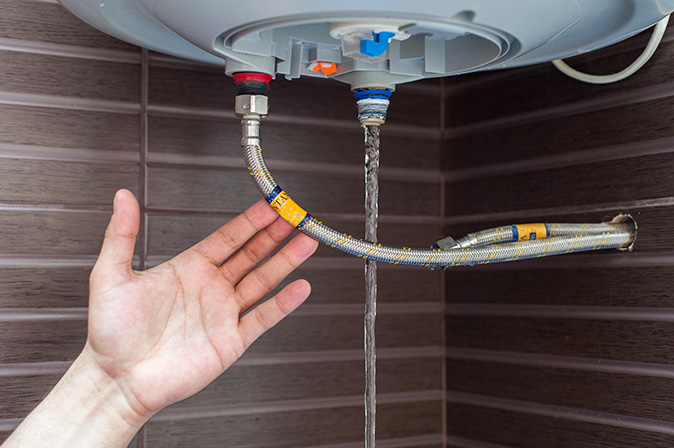
First, turn off the cold-water valve that feeds into your water heater. This valve is usually located at the top of the tank. If you’re unsure which one it is, check your owner’s manual.
2. Open a Hot Water Faucet
Turn on a hot water faucet somewhere in your house — preferably on the highest floor. This helps relieve pressure in the system and makes draining smoother. Leave it running the whole time you’re working on the water heater.
3. Turn Off the Power Supply
If you have an electric water heater, go to your circuit breaker and switch off the breaker labeled “water heater.” For a gas heater, set the thermostat to the “pilot” or the “off” position. This helps prevent damage to the heater and keeps you safe.
4. Let the Water Cool Down
Hot water can cause severe burns, so it’s essential to let the tank cool. Wait at least two hours after shutting it off — or better yet, wait overnight — before you start draining.
5. Prepare the Water Heater for Draining
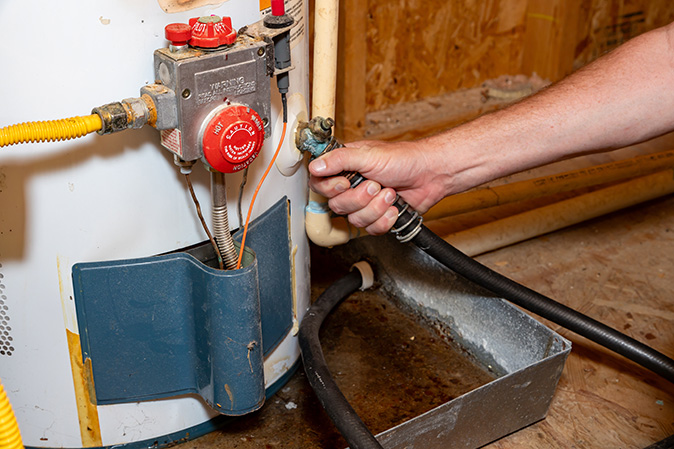
Once the water has cooled, connect a garden hose to the drain valve at the bottom of the tank. Tighten it securely to avoid leaks. Place the other end of the hose into a bucket or run it outside to a safe drainage spot (like a gravel area or driveway).
6. Drain, Then Fill, Then Drain the Tank
Open the drain valve using your hand or a flathead screwdriver. Water will start flowing through the hose. Keep draining until the tank is empty, dumping out the bucket as needed if you're not draining outside.
If you still see sediment in the water, turn the cold-water supply back on for a few seconds to stir things up inside the tank, then drain it again. Repeat the process until the water runs clear and is free of sediment.
7. Refill the Tank
Close the drain valve and remove the hose. Then, turn the cold-water valve back on to refill the tank. Depending on the size of your tank, it could take up to an hour to refill. Leave the hot water faucet open until water flows normally from it — this means the tank is full. Once that happens, turn the faucet off.
8. Turn the Power Back On and Check the Drain Valve
For electric heaters, flip the breaker switch back on. For gas heaters, relight the pilot light and set the thermostat to your preferred water heater temperature. Check the drain valve for leaks. If water drips from it, tighten the valve or cover it with a threaded hose cap.
Keep Your Water Heater Running Smoothly
Now that you know how to drain a water heater, make this part of your yearly maintenance routine. It’s a simple task that can make a big difference in how well your water heater works — and how long it lasts.
Want extra peace of mind? A home warranty with plumbing coverage can take care of your water heater if it breaks down. Get a free quote today and see how much you could save.
FAQs on Draining Water Heaters
How do I know if my water heater needs to be drained?
If you notice popping or rumbling sounds, slower hot water flow, or cloudy water, it might be time to drain your tank. These are signs of sediment buildup inside the tank.
How long does it take to drain a hot water heater?
It usually takes one to two hours to drain the tank, depending on size and sediment levels. Letting the water cool down beforehand can take additional time — anywhere from two hours to overnight.
What happens if I don’t drain my water heater?
Sediment will continue to build up, which can lead to higher energy bills, lower water pressure, and eventually leaks or full system failure. Draining helps avoid costly repairs or premature replacement.
Are the steps the same for draining a tankless water heater?
No, the process is different for tankless water heaters. Always refer to your manufacturer’s manual for the right instructions.
Why won’t my water heater drain?
The drain valve may be clogged with sediment or mineral buildup. If it’s stuck, try opening the cold-water valve briefly to break up the clog; otherwise, you may need a plumber’s help.
The contents of this article are provided for general guidance only. First American Home Warranty does not assume any responsibility for losses or damages as a result of using this information.
Please be aware that if you disassemble a covered system or item, it can invalidate your home warranty or manufacturer's warranty.







Home Care Buzz Experts
The First American Home Care Buzz team is made up of experienced home warranty writers and editors. Our team provides valuable insights and information to help homeowners like you meet the daily challenges of homeownership.
This article is about...