
How to Fix Hard Water in Your Home
DECEMBER 04, 2024 | Home Care Buzz Experts | 5 minute read
As a homeowner, you expect your home’s plumbing to work seamlessly. But hard water can damage even the most well-maintained systems. There are things you can do to keep hard water from causing issues down the line. Let’s look at what hard water is, the types of issues it can cause, and how to fix hard water plumbing issues in your home.
Related: Discover First American's Home Warranty Services
What Is Hard Water and What Does It Do to Your Plumbing?
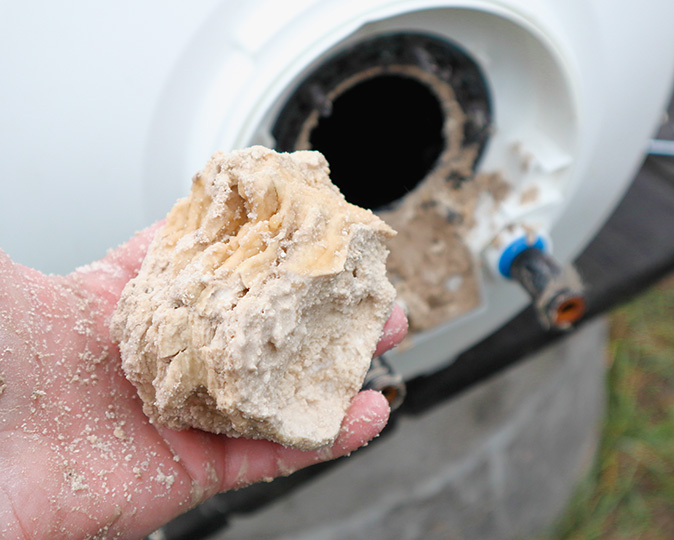
Hard water is water with an abnormally high mineral content. That mineral content can attach to and build up in plumbing fixtures like your water heater, pipes, drains, washing machine, dishwasher, and any other water-using appliance. Over time, the mineral deposits can lead to clogs and other issues like:
- Increased electric bills
- Low water pressure
- Corrosion
- Residue buildup
- Shortened appliance life span
These issues can accumulate over time, causing you to spend more money on frequent plumbing repairs and appliance replacements.
How to Fix Hard Water in Homes
Unfortunately, it’s impossible to eliminate hard water entirely. But there are things you can do to repair hard water damage that’s already happened in and around your home.
How to Find Out if You Have Hard Water
Hard water damage isn’t always visible to the naked eye, but experienced plumbers can often identify problems before they cause major damage. Schedule an inspection for your plumber to inspect your pipes and drains for any signs of hard water buildup. If they identify issues or areas of concern, they may be able to clean away the buildup and get your plumbing working the way it should.
Replace Old Metal Pipes
Hard water buildup can lead to corrosion in metal pipes and plumbing fixtures. In its early stages, the corrosion isn’t necessarily a problem. It can be more of a cosmetic issue for visible fixtures. But if it’s allowed to progress, it can weaken metal pipes. Over time, those weak pipes can develop leaks and become more vulnerable to breaking in extreme weather.
Replacing old metal pipes with PEX pipes (made of durable, flexible plastic) can get rid of corrosion and hard water damage that’s already happened. But even better, it can prevent hard water damage in the future. This means your plumbing will work better even if you don’t address the source of the hard water in your home: your tap.
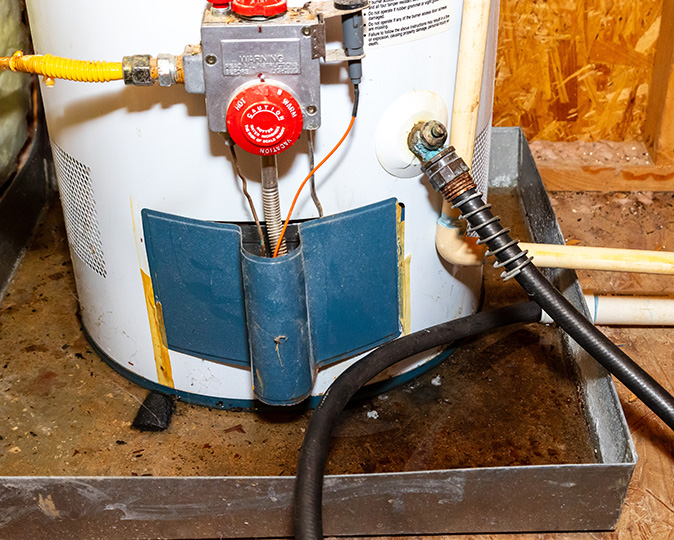
Schedule a Professional Water Heater Flush
Hard water can build up in water heater storage tanks, making it harder for your system to produce the hot water you rely on. If you have a tankless system, hard water can clog the temperature sensors, so the unit must work harder to bring water up to temperature.
Scheduling a routine water heater flush and cleaning can be enough to get your water heater working as it should. Remember that though you may be able to flush and drain your water heater yourself, doing so incorrectly could void your manufacturer and home warranty. It’s always a good idea to work with a plumber. They’ll be able to flush the system safely and even inspect the unit for other signs of damage so you can fix minor issues before they leave you shivering in the shower.
How to Prevent Hard Water Issues in the Future
Fixing known hard water buildup can keep your plumbing working well for longer, but it’s best if you can prevent hard water issues in the first place. Here are a few things you can do to keep hard water from becoming a problem.
Invest in a Water Softener System
Water softener systems help neutralize hard water before it enters your home’s pipes and plumbing. The system removes the minerals, like calcium and magnesium, that can build up in your pipes. This leaves you with soft water that’s less likely to contribute to soap scum, stains and corrosion, and even dry skin and hair.
If you invest in a water softener, make sure the system is covered by a First American home warranty. This way, you’ll reduce the risk of paying for a new system if something breaks after the manufacturer’s warranty runs out.
Lower Your Water Heater’s Thermostat When You’re Away
Mineral deposits build up faster in hot water. If you can, try lowering your water heater’s thermostat to slow the collection of minerals in the unit and your pipes. If you’re uncomfortable lowering the thermostat when you and your loved ones love piping-hot showers, consider lowering the thermostat when you’re away from home for at least a day. Even this slight decrease can help reduce hard water’s impact on your system. It can keep your water heater running efficiently for longer.
Clean Your Fixtures and Dishwasher Regularly
Mineral deposits can collect in your showerheads, faucets, and dishwashers over time, decreasing the water pressure when you turn on the tap or run a wash cycle. Get in the habit of cleaning your showerheads and faucets at least once a month to remove the buildup. Remove your showerheads and faucet screens and soak them in white vinegar for several hours or until the buildup dissolves.
Clean your dishwasher monthly. After unloading the dishwasher, run it again while empty with a generous cup of white vinegar poured into the base. This will circulate the vinegar throughout the system and help power through any buildup on the sprayer arm, water intake, and drain. Avoid using soap, and make sure the dishwasher is empty before running your cleaning cycle.
Protect Your Plumbing by Being Proactive
Being proactive is often the easiest way to stay on top of hard water damage and reduce the risk of future plumbing issues. Another way to be proactive is to make sure you have plumbing coverage from First American.
Protect your home and wallet with a home warranty covering your plumbing and fixtures. If you run into plumbing problems, your warranty could help you pay for covered repairs or replacements as needed. Learn about First American's home warranty coverage and get a free quote now.
FAQs About Hard Water Plumbing Issues
How do you protect pipes from hard water?
To protect pipes from hard water, consider installing a water softener, which removes minerals that cause buildup, or use descaling filters that prevent mineral deposits without removing beneficial minerals.
How do you flush hard water out of pipes?
To flush hard water out of pipes, run a mixture of vinegar and water through the system or install a professional descaler that can dissolve mineral buildup over time.
The contents of this article are provided for general guidance only. First American Home Warranty does not assume any responsibility for losses or damages as a result of using this information.
Please be aware that if you disassemble a covered system or item, it can invalidate your home warranty or manufacturer's warranty.

Keep Reading






Home Care Buzz Experts
The First American Home Care Buzz team is made up of experienced home warranty writers and editors. Our team provides valuable insights and information to help homeowners like you meet the daily challenges of homeownership.
This article is about...