
How to Fix a Running Toilet: A Step-by-Step Guide
JUNE 13, 2025 | Home Care Buzz Experts | 5 minute read
Project Overview

Beginner

1 Hour

< $150
All Values are Estimates
A toilet that won’t stop running isn’t just annoying — it can also waste a lot of water and raise your utility bills. You can often fix it yourself with a few basic tools and some simple steps. Let’s go over some reasons why your toilet might be running and how to fix it.
Signs Your Toilet is Running
The most obvious sign of a running toilet is that you hear water trickling long after you flush. Other times, it’s more subtle. Here are a few signs your toilet tank keeps running:
- You hear a constant or occasional hissing sound
- The water in the bowl ripples even when it’s not in use
- Your water bill has gone up suddenly
- You must jiggle the handle to stop the water
- There’s a slow leak in the bowl, even when the toilet hasn’t been flushed
If you notice any of these signs, it’s time to take a closer look inside your toilet tank.
Why is the Toilet Running?
There are a few common reasons a toilet keeps running. Most of them involve parts inside the tank that manage water flow.
Faulty Flapper
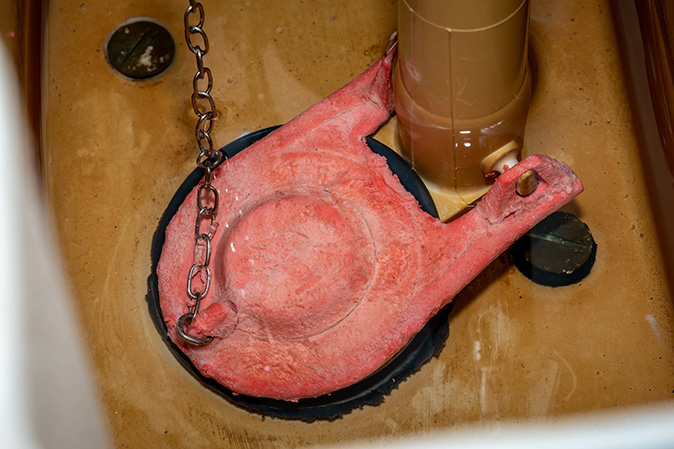
The flapper is a rubber seal that controls when water leaves the tank and enters the bowl. Over time, it can wear out, crack, or get misaligned. When that happens, it doesn’t seal properly, and water leaks slowly from the tank into the bowl. This keeps the fill valve running in order to replace the lost water.
Leaky Fill Valve
The fill valve refills the tank after each flush. If the valve is damaged, misadjusted, or has debris caught inside, it may not shut off correctly. That leads to continuous water flow or a slow trickle that keeps the tank from reaching the right level.
Broken or Stuck Handle
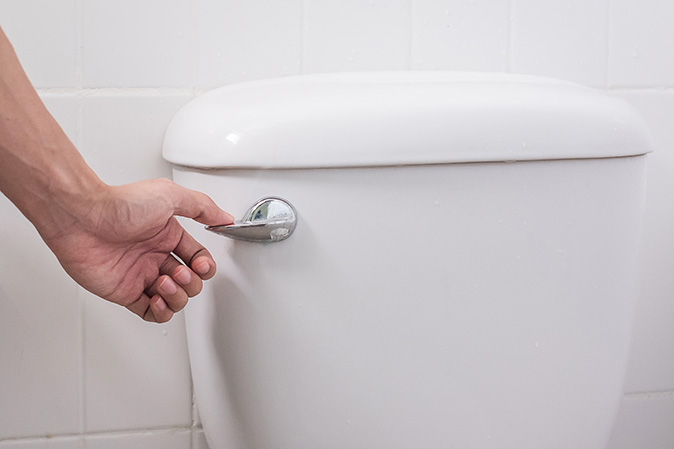
The flush handle connects to the flapper chain inside the tank. If the handle is loose, bent, or stuck in the down position, it can hold the flapper open and cause water to run continuously.
Improperly Set Float
The float controls the water level in the tank. If it’s set too high, water will rise above the overflow tube and drain into the bowl. This creates a loop where the fill valve keeps running to maintain the high-water level.
Cracked or Overflowing Overflow Tube
The overflow tube helps prevent the tank from overfilling. If it’s cracked or water keeps spilling into it because of a high float setting, the toilet will keep running as water drains out of the tank.
How to Fix a Toilet That Keeps Running
Fixing a continuously running toilet usually means adjusting or replacing a few parts inside the tank. Here’s how to check everything step by step:
1. Remove the Tank Lid and Observe
Start by taking off the tank lid and flushing the toilet. Watch how each part moves and listen for any unusual sounds. This can help you spot what’s not working right.
2. Check the Flapper
Lift the tank lid, flush the toilet, and watch the flapper. If it doesn’t seal or drops too quickly, it might be the cause of your running toilet. Here's what to do in this situation:
- Make sure the flapper sits properly over the valve seat
- Check for signs of warping, cracking, or mineral buildup
Make sure the chain has a little slack, so it’s not too tight and not too loose.
3. Test the Flush Handle and Chain
Move the handle up and down to see if it sticks or feels loose. Check how the flush valve chain connects to the handle arm and the flapper. Then, you’ll want to:
- Tighten the handle if it’s loose
- Adjust or replace the chain if it’s tangled, too short, or too long
4. Adjust the Float Position
The float tells the fill valve when to stop adding water to your toilet tank. If the float is too high, the tank can overfill and cause water to run into the overflow tube. Look for:
- A float that lets the water rise above the overflow tube
- Water that is constantly draining into the overflow tube
To fix this, you’ll need to:
- Adjust the float so the water level stops about an inch below the top of the overflow tube
- Depending on your setup, you might turn a screw on the float arm or slide a clip along the float shaft
5. Inspect the Overflow Tube
Check the overflow tube for cracks or constant water flow. If water is draining into it, lower the float level. If the tube itself is damaged, it may need to be replaced.
6. Check the Fill Valve
The fill valve controls how water enters the tank. If it’s leaking or worn out, it might not shut off properly, even with the float adjusted. Look for:
- A steady hiss or trickle after the tank fills
- Water that's leaking from the valve itself
If the valve looks old, cracked, or constantly leaks, it’s best to replace it (see Step 7).
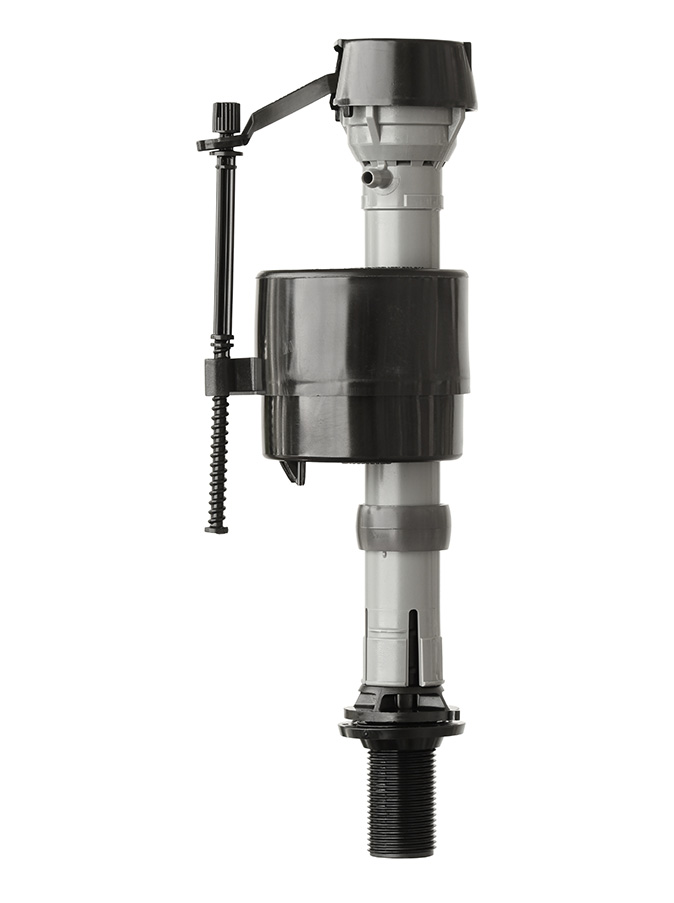
7. Replace the Fill Valve
If adjusting the float doesn’t help and the fill valve is leaking or worn out, it’s time to replace it. Here’s how:
- Turn off the water supply behind the toilet
- Flush to empty the tank, then sponge or scoop out any leftover water
- Disconnect the water supply line
- Unscrew the locknut under the tank and remove the old valve
8. Install the New Fill Valve
Next, you’ll want to place the new fill valve into the hole in the tank. To do this, you’ll need to:
- Tighten the locknut underneath
- Reconnect the water supply line
- Adjust the float height based on the manufacturer’s instructions
9. Reconnect the Fill Tube
Attach the small fill tube from the fill valve to the overflow pipe. This sends water into the bowl after each flush.
10. Turn On the Water and Test It
Turn the water supply back on. Let the tank fill, then flush the toilet and watch how all of the parts are working. Make sure that:
- The flapper seals tightly
- The float shuts off the fill valve at the right water level
- There’s no water flowing into the overflow tube
- The handle moves freely
Related: With repairs complete, here’s how to do a thorough toilet tank cleaning.
Home Warranty Coverage for Toilets
If your toilet tank keeps running and you need professional help, a home warranty could help take care of the repair or replacement. With a plan from First American, toilet tank and bowl warranty coverage could save the day.
So, if a covered flapper fails, the fill valve breaks, or something inside the tank wears out, your warranty could help with the cost of repairs or a toilet replacement.
Take Control of Toilet Repairs
A toilet that keeps running is wasting not only your water but your money, too. Most of the time, you can fix the problem yourself by adjusting or replacing a few parts in the toilet tank. If you run into a bigger issue or want peace of mind for future plumbing problems, a home warranty might be the right move.
Ready for coverage? Get a free home warranty quote today.
The contents of this article are provided for general guidance only. First American Home Warranty does not assume any responsibility for losses or damages as a result of using this information.
Please be aware that if you disassemble a covered system or item, it can invalidate your home warranty or manufacturer's warranty.

Keep Reading






Home Care Buzz Experts
The First American Home Care Buzz team is made up of experienced home warranty writers and editors. Our team provides valuable insights and information to help homeowners like you meet the daily challenges of homeownership.
This article is about...