
You may have noticed that some of the outlets in bathrooms, kitchens, and laundry rooms look slightly different from those in other rooms of your home. They probably have "Test" and "Reset" buttons, which you might have pressed out of curiosity, and may include small lights. These are called ground fault circuit interrupter outlets, or GFCI outlets, and while they may appear to function like regular receptacles, they have special features designed for safety.
If your GFCI outlet isn't working, these safety features have likely kicked in. Luckily, returning their functionality is simple. In this guide, we'll teach you a little more about how they function, the reasons they stop working, and how to reset GFCI outlets when they stop working.
Related: Demystifying GFCI Outlets: Your Comprehensive Guide
What are GFCI Outlets?
GFCI outlets work almost like regular outlets, except they have a special safety device that immediately shuts off power to the outlet when a ground fault is detected. A ground fault is when the electrical current strays from its normal path and meets the ground through an object that conducts electricity. The purpose of GFCI outlets is to quickly cut power to the outlets when a fault is detected, preventing shocks. Without GFCI, that object could be you or another member of your household.
GFCI outlets are common in rooms where water is frequently used because the introduction of water is a common cause of ground faults. Without these outlets shutting off the power when they encounter water, electrified puddles can form and cause serious injury if they're touched — much more serious than getting a shock straight from the outlet.
Note: You'll sometimes see GFI instead of GFCI. What's the difference between a GFCI and a GFI outlet? Sometimes the terms are used interchangeably, but they look and function essentially the same way. Since the “C” stands for “circuit,” GFCI refers to the local outlet and the corresponding circuit breaker in the electrical panel.
How to Reset GFCI Outlets
If moisture causes an interruption in the electrical flow and your GFCI trips, you'll want to make sure the ground fault has been resolved. Sometimes letting steam clear from the area and drying any moisture is enough. Then you can press that reset button (without anything plugged into the outlet), which should be enough to return power to tripped GFCI outlets.
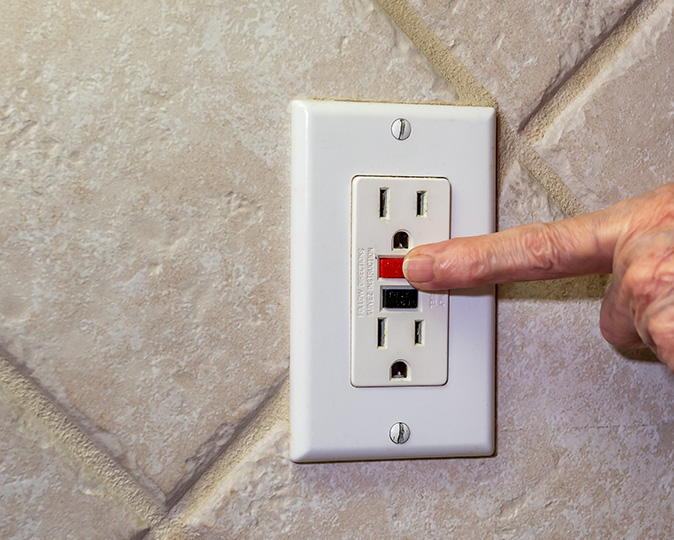
However, there are some things that can confuse these outlets into thinking danger is still present. Outside of simple ground faults, here are the most common causes of this malfunction in GFCI outlets and how you can correct them:
Moisture in the outlet: As previously mentioned, one of the main purposes of these outlets is to prevent electrocution if water enters them. However, sometimes stopping leaks from entering the outlet may not be enough. If you recently fixed a leak that was causing a tripped GFCI outlet and it still doesn't work after resetting, there may still be some residual moisture inside it. Try removing the faceplate and using a hair dryer (plugged into a different outlet) to remove excess water, replace the faceplate, and hit the reset button.
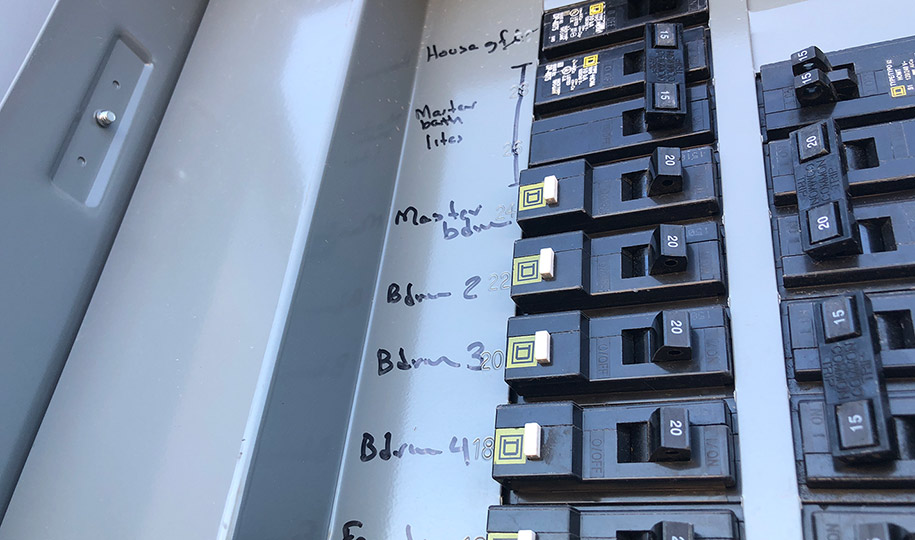
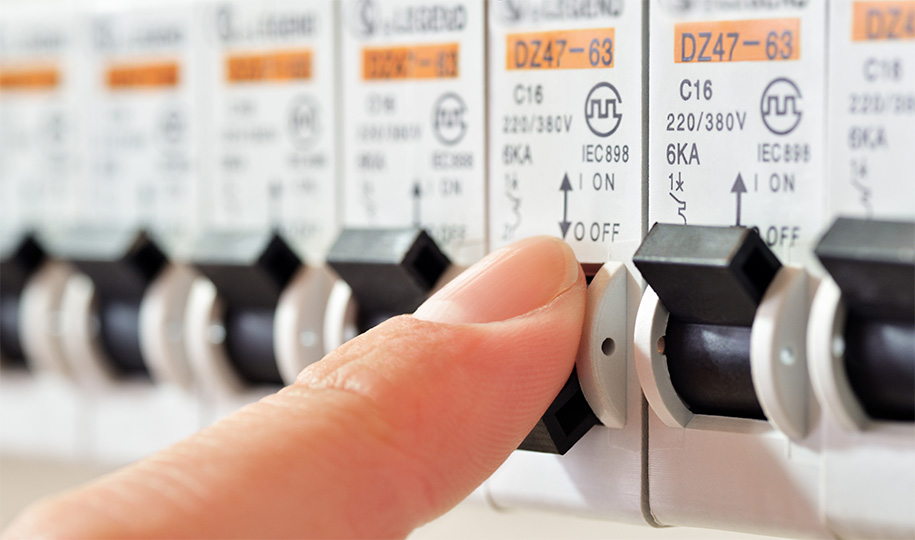
Tripped circuit breaker: If you have too many devices plugged into a single GFCI outlet or there is a power surge, it can overload the circuit breaker. If pressing the outlet's reset button doesn't restore power, unplug everything from the outlet and then look at your home's electrical box. If you notice the outlet's designated breaker switch is halfway between off and on, that means there's a tripped breaker. Flip the switch to the off position, then to the on position. Return to the outlet and try plugging in an appliance to see if the issue has been resolved.
Related: How to Deal with Tripped Breaker Troubles
Faulty circuit breaker: If the switch won't stay in the on position when attempting to reset the tripped breaker, the breaker likely needs to be replaced. First, turn off the main breaker switch, then remove the face of the breaker box. Disconnect the wires attached to the faulty breaker and remove it. Then, insert the new breaker into the empty slot and reconnect the wires the same way they were connected when you removed them. When the breaker and wiring are secure, replace the faceplate, turn the main breaker back on, turn the replaced breaker back on, and push the reset button on the GFCI outlet.
Note: If you're not comfortable with DIY electrical work, be sure to call an electrician!
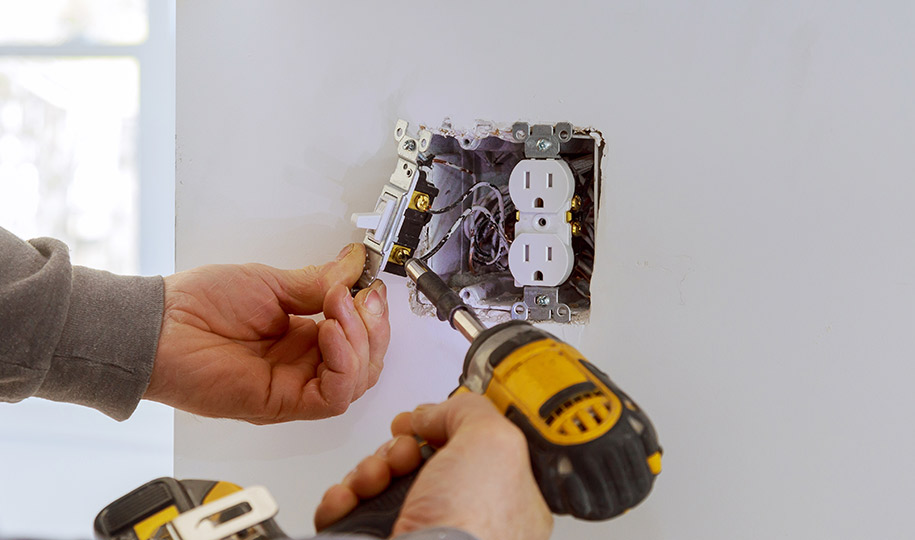
Loose connections: A GFCI outlet detects a ground fault by testing for a steady flow of electricity. When a wire connected to the outlet becomes loose, it can cause a fluctuation in the flow of electricity, which can be misinterpreted as a ground fault. To check for this, turn off the breaker connected to the outlet, remove the outlet's faceplate, and gently pull out the outlet until you can clearly see the connection points. Using a screwdriver, tighten the screws with wires looped around them until they fit snugly. Place the outlet back into the outlet box, then test the outlet before replacing its faceplate. Again, be sure to call a professional if this isn't in your comfort zone.
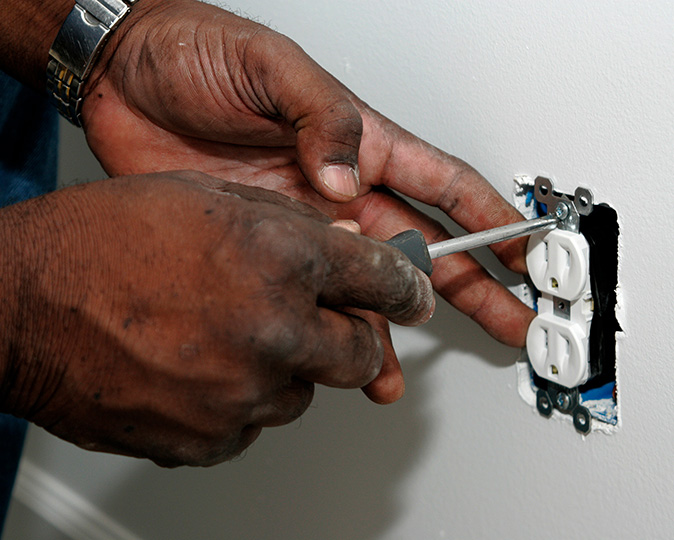
Not resetting an outlet test: The reset button on a GFCI outlet is supposed to restore power after a ground fault, but what about the test button? It cuts all power to the outlet to ensure that it's working properly in case of emergency. But if you hit the test button without pressing reset after, power won't return, and it can seem like something's broken.
A ground fault downstream: Instead of installing multiple GFCI outlets, some electricians will take a shortcut by connecting other outlets to a single GFCI outlet. The other outlets are "downstream" of the GFCI, which means that if an issue is detected in one outlet, you'll experience a tripped GFCI outlet. You'll need to check the outlets downstream for issues before you can reset the GFCI, and you may want to correctly reinstall the other outlets after to avoid this headache in the future.
A bad outlet: Like practically everything else in your home, GFCI outlets have life spans. If the preceding troubleshooting tips haven't helped you determine how to reset a GFCI outlet, it may need to be replaced. Most people can perform this task themselves using our guide, How to Replace an Outlet.
Save Time with Home Warranty Coverage
You now know how much time it can potentially take to discover what's preventing your GFCI outlet from resetting. With home warranty coverage from First American, you can easily contact us to schedule a visit from a qualified technician to diagnose the issue. In many cases, necessary repairs or replacement of the outlet can be covered by your home warranty plan, allowing you to spend more time enjoying your home life. Check out our blog to discover more electrical issues that can be covered by home warranty plans.
The contents of this article are provided for general guidance only. First American Home Warranty does not assume any responsibility for losses or damages as a result of using this information.
Please be aware that if you disassemble a covered system or item, it can invalidate your home warranty or manufacturer's warranty.



Keep Reading





Home Care Buzz Experts
The First American Home Care Buzz team is made up of experienced home warranty writers and editors. Our team provides valuable insights and information to help homeowners like you meet the daily challenges of homeownership.
This article is about...