
Power Outage Checklist: What to Do to Protect Your Home
SEPTEMBER 09, 2025 | Home Care Buzz Experts | 9 minute read
The lights flicker, and then your home goes dark. The HVAC system shuts off, your refrigerator stops humming, and you start wondering, “Where did I stash the flashlights?” In that moment, you may not be thinking about what’s happening to your home’s systems and appliances, but power outages can wreak havoc on HVAC systems, damage electronics, and, if prolonged, spoil food.
This power outage checklist offers preparation tips to help you eliminate potentially costly damage before the power goes out, turning annoying outages into minor inconveniences. Learn power outage safety tips and what to do during a power outage, especially in those critical first few minutes. Following this home power-outage preparation guide ensures you're ready to act quickly and confidently when the lights go out.
First 5 Minutes: Critical Power Outage Safety Tips
Even the most prepared homeowners can get caught off guard when the power goes out, whether it’s a brief neighborhood outage or an extended blackout due to severe weather. Protecting your household, safeguarding appliances and home systems during outages, and minimizing potential damage are crucial in those opening moments.
With that in mind, remember these five power outage safety tips when the lights go out at your house (and share them with other members of your household):
1. Stay Calm and Assess the Outage
Take a deep breath and get your bearings, especially at nighttime. Look out the window to see if your neighbors have power — this tells you whether you're dealing with your own issue (a possible electrical system problem) or a widespread outage. Be alert to visible sparks outside if power lines are nearby, and to any burning or foul smells inside your house.
Action item: It’s a good idea for every member of your household to keep a fully functional flashlight within easy access — you never know when a nighttime power outage may strike.
2. Ensure Your Household’s Immediate Safety
Use your flashlight, or your mobile device’s flashlight, to guide you to a central gathering spot inside your home. Never use candles initially, as there could be gas leaks or other fire hazards you haven't detected yet. Bringing everyone together helps account for all members and makes it easy to coordinate next steps.
Action item: Good preparation means deciding beforehand where everyone will meet when emergencies happen. Choose a main living area where everyone can stay together safely. If you need to leave the house, be sure you have discussed a predetermined spot for everyone to meet away from your home.
3. Check for Gas Leaks or Electrical Hazards
Listen carefully for any hissing sounds that could indicate gas leaks. Be on the alert for gas odors (they smell like rotten eggs) throughout your home, particularly near gas appliances. If possible, take a quick walk around the outside perimeter of your house — sometimes, gas odors are more detectible outside. Be on the lookout for downed power lines or electrical equipment damage.
If you detect any of these hazards, evacuate immediately and dial 911 or your utility company’s hotline from a safe location.
Action item: Keep a log of emergency numbers stored in your phone and written down in your emergency kit. (More on emergency kits below.). Having emergency contact numbers readily available saves precious time during stressful situations like these.
4. Contact Your Utilities Company, if Necessary
If you’ve determined that the power is only out at your house, and not neighborhood-wide, report it immediately to your utilities company using its emergency hotline or mobile app. Cell towers with backup battery power can continue working during power outages, often making your mobile phone your best communication tool.
When the outage is neighborhood-wide, the utility company is likely already aware of it. Be sure to sign up for power outage text alerts with your company, if they offer it. Often, these alerts can provide a timeframe for when power will be restored.
Action item: If your home is the only one in the neighborhood to lose power, it’s best to err on the safe side and evacuate until the source of the outage can be pinpointed.
5. Grab Your Power Outage Emergency Kit
The key to protecting yourself and your home during a power outage is having the right supplies readily available. That’s what makes a power outage emergency kit so valuable. Preparing your kit ahead of an emergency is essential, and checking and resupplying it regularly makes managing power outages safer and less stressful. Replace expired items as needed and remember to update the list of contact numbers you keep in your kit with new information when it changes.
Your power outage emergency kit should contain everything you and other members of your household need to survive on your own for several days. It’s important to store your kit in an easily accessible location and be sure that everyone knows where it is.
Action item: If you don’t have a power outage emergency kit, it’s easy to prepare one ahead of time. Our blog on creating a household preparedness plan lists all the essentials to include in your kit.
Power Outage Checklist
Once you've addressed immediate safety concerns, your next priority is to protect your home's major systems and appliances from damage.
1. Safeguarding Your Home Systems During Outages
Power surges when electricity returns can cause more system damage than the outage itself, making the following power outage safety tips essential. Learn what to do next to protect your systems:
HVAC System Protection
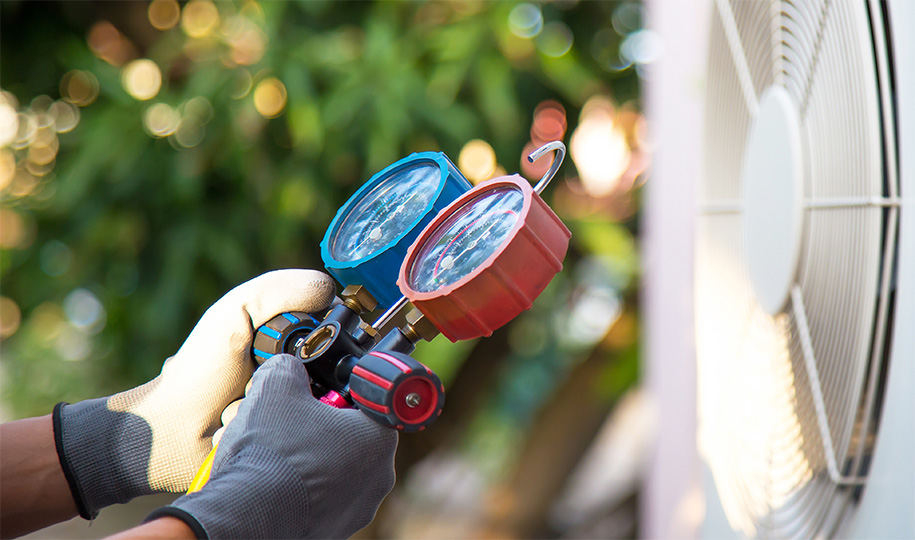
Your heating and cooling system is one of the most vulnerable systems during power outages, and one of the most expensive to repair and replace. Here's how to protect it during a power outage:
Turn off your HVAC system. It's a good idea to immediately switch your thermostat to the "off" position to prevent power surge damage when electricity returns. This single step helps prevent many HVAC problems that can occur post-outage. Don't simply turn the temperature up or down. Instead, completely turn the system off.
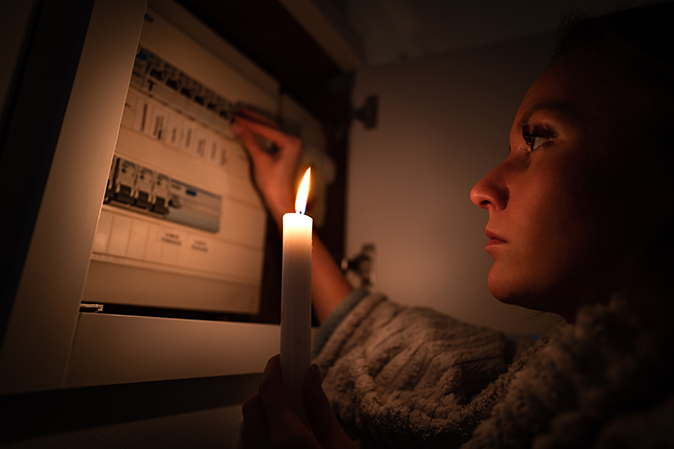
If your utility company has set up alerts and you know the outage will be extended, you can also turn off the circuits for your HVAC system and other major appliances from your electrical panel. Don’t turn off every circuit, however. If your panel is well-mapped, keep the circuit breaker in the ‘on’ position for kitchen lights, for example, so you know when the power comes back on.
Manage temperature control during outages. If your HVAC was running when the outage occurred, keep all exterior doors closed, and close air vents throughout your home to conserve any remaining cooled or heated air in your ductwork. This trapped air can help maintain comfortable temperatures longer, especially during shorter outages.
Plumbing and Water Systems
Your plumbing system continues to work during most power outages, but there are important steps to protect your water heater and pipes to prevent damage:
Protect your water heater. For electric water heaters, turn off the unit at the breaker if you can safely access your electrical panel. This helps prevent damage from power surges and heating element burnout when power returns. For gas water heaters, check that the pilot light remains lit. If it goes out, follow the manufacturer’s instructions for safe relighting, or contact a pro when you can.
Conserve hot water supply. Minimize hot water usage to extend your available supply. A well-insulated water heater can maintain hot water for 6 to 8 hours after power loss. Take quick showers if needed while the water remains warm. Note: If you have a tankless system, be aware that it requires power to supply continuous hot water.
Prevent frozen pipes (winter outages). During cold-weather power outages, frozen pipes become a serious concern without an operational heating system. Keep faucets slightly dripping — moving water resists freezing better than standing water. Open cabinet doors under sinks to allow warm air circulation around pipes.
Pro tip: Know the location of your main water shut-off valve before emergencies occur. If pipes freeze and burst, shutting off water quickly minimizes flood damage.

2. Protecting Appliances and Electronics in Power Outages
Besides safeguarding your home’s essential systems, it’s important to protect your appliances and electronics during a power outage. Use our power outage safety tips to help them stay safe.
Laundry Appliances
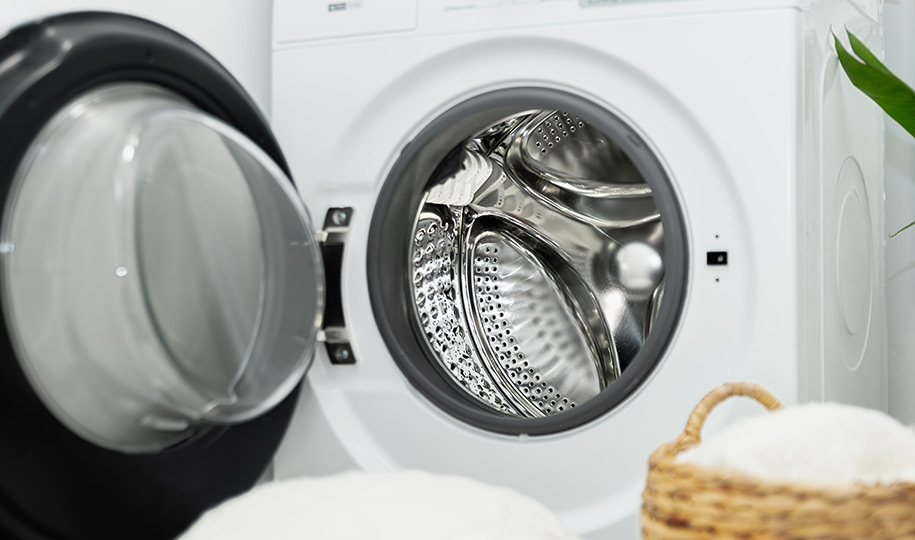
Unplug your washing machine and dryer. Most new washers and dryers have complex control boards that can become damaged in a power surge. But don't just turn off your washer and dryer. Instead, physically unplug them. This provides complete protection from electrical surges.
Kitchen Appliances
Refrigerator and freezer management. Keep refrigerator and freezer doors closed as much as possible. If unopened, refrigerators maintain safe temperatures for about four hours, while freezers can maintain freezing temperatures for 24 to 48 hours, depending on how full they are.
Full freezers stay cold longer than empty ones, since the frozen items help insulate each other. If your freezer is half-empty, group items together and fill empty spaces with containers of ice (if you have any).
When power returns, check your fridge's temperature with a thermometer. Discard any refrigerated foods that have been above 40°F for more than two hours, or frozen foods that have thawed completely.
Electronics
Unplug sensitive electronics immediately. This includes computers, printers, televisions, microwaves, and other sensitive electronics. Power surges can destroy circuit boards and electronic components instantly. Surge protectors can help, but err on the side of unplugging all vital electronics.
Pro tip: Consider purchasing a battery backup surge protector, also known as a standby UPS, for your computer, peripherals, and other essential electronics. Multiple devices can plug into a single UPS, protecting them from voltage spikes and electrical surges. During outages, the UPS runs on batteries to keep the devices operational and safe.
Warning: Remember, never plug in any devices during a power outage! Electricity can be restored at any moment, and doing so can lead to serious injury and damage.
What to Do When Power Returns
The moment power returns is often when most electrical damage occurs. As electricity surges back into your home, follow these steps to restore your systems and appliances safely:
Gradual system restart. Don't immediately turn everything back on. Wait 15 to 30 minutes after power returns before restarting major systems and appliances. This allows time for the electrical grid to stabilize and reduces surge risks.
- Turn systems and appliances back on gradually, starting with the most essential ones first.
- Wait a few minutes between restarting each major item to avoid overloading circuits.
HVAC system restart. Check your air filters before restarting your HVAC system — extended power outages can sometimes cause debris to build up on filters. Replace dirty filters if needed and turn your thermostat back to its normal setting gradually. This allows your system to restart slowly.
Inspect appliances and electronics. Before using them, check for signs of damage like burning smells or scorch marks around appliances or electronics. Test GFCI outlets and reset any that have tripped. If anything behaves abnormally or makes unusual sounds, turn it off and contact a professional.
Ongoing Power Outage Preparation
When it comes to home power outage preparation, keep these tips in mind:
Seasonal preparation. Summer preparation focuses on cooling alternatives and food preservation, while winter preparation emphasizes heating alternatives and pipe freeze prevention.
System and appliance maintenance. Well-maintained systems handle power disruptions better.
- Schedule annual HVAC tune-ups to help resolve potential issues so your system can better handle outages and power surges.
- Repair issues with your ice maker quickly to help prevent food in your fridge and freezer from spoiling during an outage. The ice stored in your bin is very helpful when the power goes out.
Generator considerations. If you frequently experience outages, consider investing in a backup generator. Whole-house generators can be costly but are often worth it if you experience outages lasting several days. An electrician can connect your whole-house generator to your circuit panel and configure it for automatic or manual activation when the power goes out (for seamless power transition).
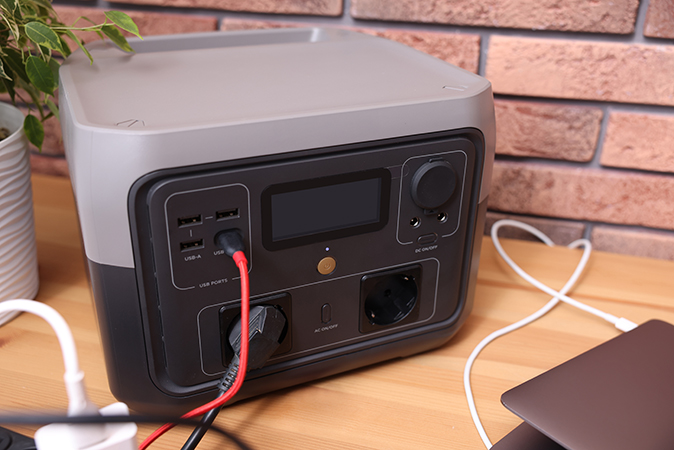
Other options include portable generators, which can power essential systems, and portable power stations powered by solar and/or batteries. Regardless of which type of generator you select, always operate it outdoors to prevent carbon monoxide poisoning.
Stay Protected Beyond the Outage
Power outages are temporary, but this home power-outage preparation guide can help you respond to the situation quickly, protect your essential systems and appliances, and avoid potential costly damage. This is important because power outages can stress your home systems and appliances in the short term in ways that may equal the long-term stress from daily wear and tear.
Besides following our power outage checklist, you can also protect your home’s essential systems and appliances with home warranty coverage. First American home warranty plans offer coverage for many household items you use every day — safeguarding your budget from expensive repairs and replacements when covered appliances and systems break unexpectedly.
Get a free quote today to learn how you can protect many of the household items you rely on to keep your home running smoothly.
The contents of this article are provided for general guidance only. First American Home Warranty does not assume any responsibility for losses or damages as a result of using this information.

Keep Reading








Home Care Buzz Experts
The First American Home Care Buzz team is made up of experienced home warranty writers and editors. Our team provides valuable insights and information to help homeowners like you meet the daily challenges of homeownership.
This article is about...