
How to Know if a Circuit Breaker is Bad
DECEMBER 16, 2024 | Home Care Buzz Experts | 4 minute read
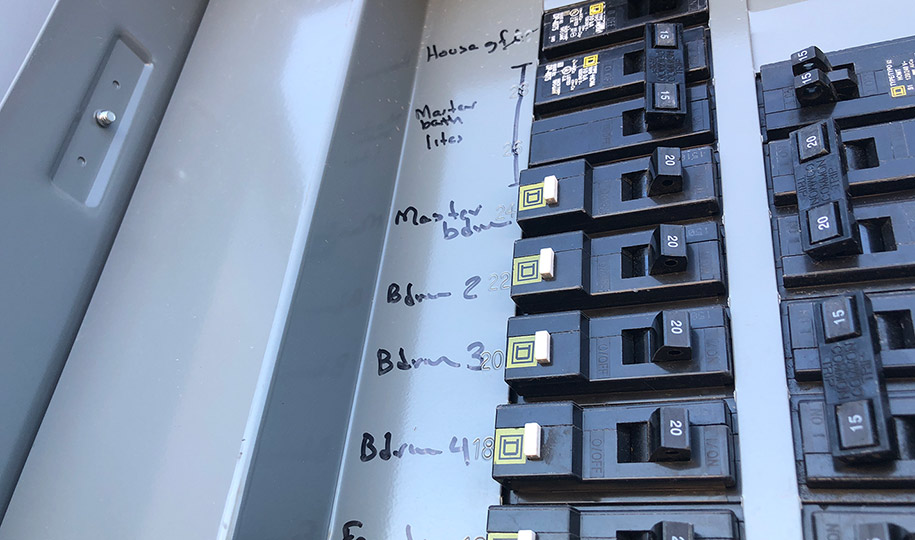
In a modern home, a circuit breaker isn't just a necessity, it can be a lifesaver. Circuit breakers stop the flow of electricity when they detect an overload or short circuit (which happens when electricity passes through the wrong pathway). If a circuit breaker isn't working correctly, it can lead to risks like electrical fires, damage to appliances, and even serious injury. Promptly identifying a bad circuit breaker helps you maintain a safe home and a reliable electrical system.
Related: Are Electrical Issues Covered by Warranty Plans?
Signs of a Bad Breaker
Recognizing a failing circuit breaker can help you prevent the dangers mentioned above. Watch for these warning signs:
- Frequent tripping: If your circuit gets tripped frequently, something may be wrong. Breakers are meant to trip when there's too much electricity, but if it's happening often, the breaker may be wearing out.
- Burning smell: If you smell burning from your breaker box, it's a serious warning of an overheating breaker that needs urgent attention.
- Hot to the touch: If the breaker or its surroundings feel hot, it could indicate a problem.
- Visible damage: Look for any visible damage on the breaker, like scorch marks, frayed wires, or burned/melted parts.
How to Test a Circuit Breaker
You can test a circuit breaker to see if it’s working or needs replacing. If you're confident in your skills, follow these steps; if not, professional help may be needed.
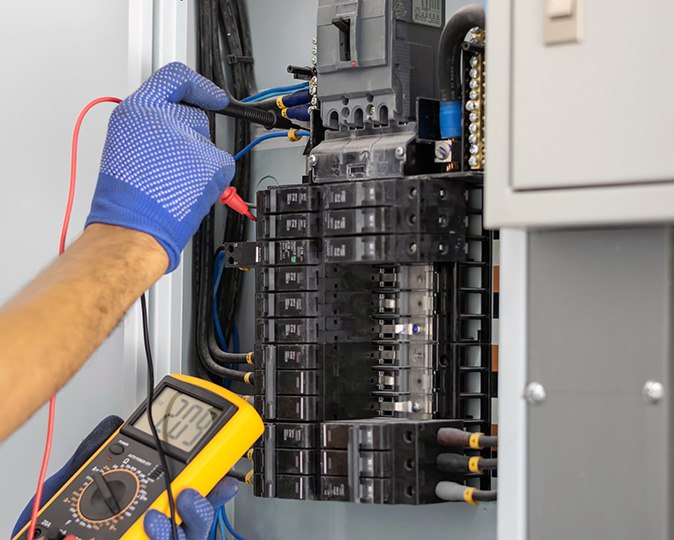
- Use a multimeter: A multimeter is a tool that measures electrical voltage. To test your breaker, set the multimeter to the correct voltage setting. (Most household breakers should be between 120 and 240 volts.) Then, place one of the multimeter's probes on the ground screw and the other on the breaker's terminal screw. If the reading is outside the normal range, it may be time to call a pro.
Safety note: When testing electrical voltage, wear adequate safety gear like protective gloves and rubber-soled shoes. - Check for continuity: We recommend calling a professional for this one—many areas have licensing requirements for removing and replacing breakers. The process involves removing the single breaker from the panel and testing whether electricity can flow through it.
- Conduct a visual inspection: Sometimes, just looking at the breaker can tell you a lot. Look for any signs of damage, like burned spots, melted parts, or loose wires. If you see anything unusual, the breaker might be faulty.
Troubleshooting Tips
If you suspect your circuit breaker is bad, there are a few troubleshooting steps you can try before having it replaced.
- Resetting the breaker: Start by turning the breaker completely off, then back on. Sometimes, this simple reset can solve the problem, especially if the breaker tripped due to a temporary issue. If it trips again right away, there might be a bigger problem.
- Checking for overloaded circuits: An overloaded circuit can cause the breaker to trip. Unplug some devices or appliances connected to the circuit and see if the breaker stays on. If it does, you might have too many things plugged in, and you’ll need to redistribute the load.
- Replacing a faulty breaker: If the previous steps don’t work, the breaker itself might be faulty. In this case, a professional may need to replace it.
Related: How to Replace a Circuit Breaker
When to Call a Professional
The most important DIY skill you can have is knowing when to call in the professionals.
- Understand the limits of DIY: While some circuit breaker issues can be handled on your own, more complex problems require expert attention. If resetting the breaker, checking for overloaded circuits, and testing with a multimeter doesn't bring results, it's time to get help. (Knowing the limitations of home warranty coverage can help you decide when to skip the DIY effort.)
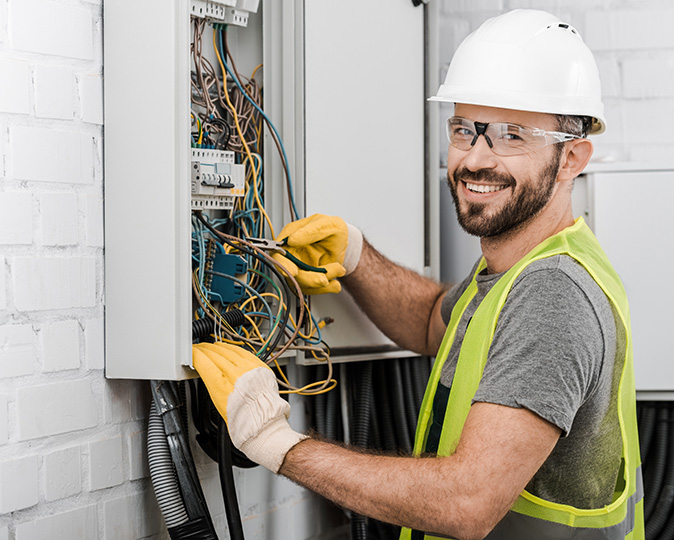
- Importance of professional inspections: A licensed electrician has the tools and knowledge to safely inspect your electrical panel and diagnose issues that might not be visible. They can identify underlying problems, such as faulty wiring or a failing electrical panel, that could pose serious risks if left unaddressed.
Preventive maintenance: Regular inspections by a professional can help catch problems early before they become dangerous. If you’re noticing frequent issues with your circuit breaker, scheduling a professional inspection can prevent bigger problems.
Home Warranty Coverage for Circuit Breakers
Understanding these signs and troubleshooting steps can help prevent problems before they escalate. Don't forget, if you're unsure, you can always call a professional electrician. If you have a First American home warranty, we'll connect you with a prescreened technician for just your service call fee. To learn more about what home warranties cover, contact us to get a free personalized quote today.
FAQs About Circuit Breakers
How do you test if a circuit breaker is bad?
Need to know how to test a circuit breaker? To check if a breaker is bad, you can use a multimeter to check its voltage. Beyond this, you should call a professional to ensure your breaker is tested safely. With home warranty coverage from First American, just call us, and we'll send a prescreened technician to diagnose the issues.
What happens when a breaker goes bad?
There are several signs that your breaker is going bad, including frequent tripping, a burning smell, and heat radiating from the breaker. When this happens, it means the breaker is not effectively conducting power.
Are electrical issues covered by home warranty plans?
Yes! First American Home Warranty offers electrical system home warranty coverage. Visit our electrical system page to learn more about what's covered, and the service process for getting it fixed.
The contents of this article are provided for general guidance only. First American Home Warranty does not assume any responsibility for losses or damages as a result of using this information.
Please be aware that if you disassemble a covered system or item, it can invalidate your home warranty or manufacturer's warranty.

Keep Reading





Home Care Buzz Experts
The First American Home Care Buzz team is made up of experienced home warranty writers and editors. Our team provides valuable insights and information to help homeowners like you meet the daily challenges of homeownership.
This article is about...