
What Is a Common Wire in Electrical Systems?
AUGUST 01, 2025 | Home Care Buzz Experts | 4 minute read
In basic electrical wiring, each circuit needs a way to complete the flow of electricity. That’s where the common wire comes in. Often called a “neutral wire,” the common wire carries current back to your electrical panel after it has powered a device, such as a light or an appliance.
It’s one of three main wires you’ll find in many electrical setups:
- Hot wire: Carries electricity to a device
- Load wire: Transfers current between components
- Common wire: Brings unused electricity back to the power source
This loop keeps your home’s electrical system running safely and efficiently.
Common Wire vs. Ground Wire
It’s easy to confuse a common wire with a ground wire, but they differ. A ground wire is a safety feature that redirects electrical surges away from your home and into the earth. A common wire, on the other hand, is an active part of the circuit that completes the power loop.
Another common point of confusion is the hot wire. This wire that delivers electricity to your outlets, switches, and fixtures. It’s usually black or red and should not be handled unless the power is off.
Here’s a quick comparison:
- Hot wire: Delivers electrical power to devices.
- Common (neutral) wire: Returns unused electricity to the panel.
- Ground wire: Provides a safe path for excess electricity during surges.
All three work together to power your home safely and efficiently.
Why Common Wires Matter
If you’re installing a smart thermostat, upgrading light switches, or troubleshooting a power issue, you need to know if there is a common wire. Some modern systems, especially those that use continuous power, like Wi-Fi–enabled thermostats, require an electrical common wire to function properly.
Without it, your new device may not turn on at all or might drain batteries quickly. That’s why it’s important to know whether you have one and how to work with it safely if you do.
Smart home devices like security cameras, smart lighting, and climate control systems are becoming more popular every year. Most run on 24-volt systems and rely on a continuous power source. If your home doesn’t already have a common wire, installing these smart devices could require wiring changes, which an electrician should do to ensure safety and code compliance.
How to Identify a Common Wire
Every home is different, and wiring can vary depending on when your home was built or updated. Still, there are a few ways to spot a common wire:
- Color-coded wires: The common wire is white or gray in many homes. However, never rely on color alone. Wiring standards can vary by region and by installer.
- Smart thermostat terminals: If you see a terminal labeled “C” on your thermostat base or HVAC control board, that usually stands for “common.”
- Testing tools: A multimeter can help detect voltage flow between the common and hot wires. If you’re unsure about working with electrical wires, always seek help from a professional.
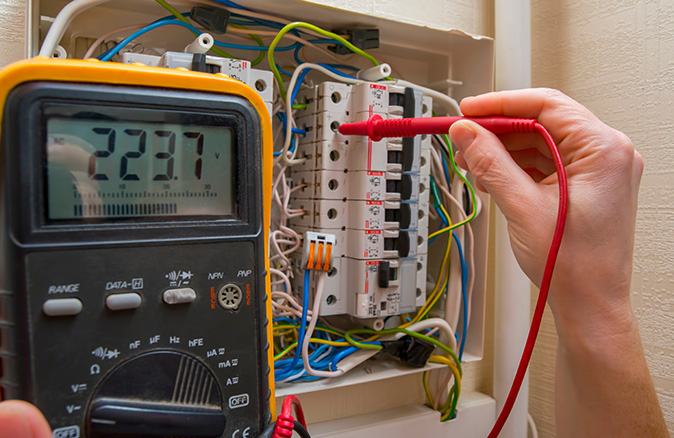
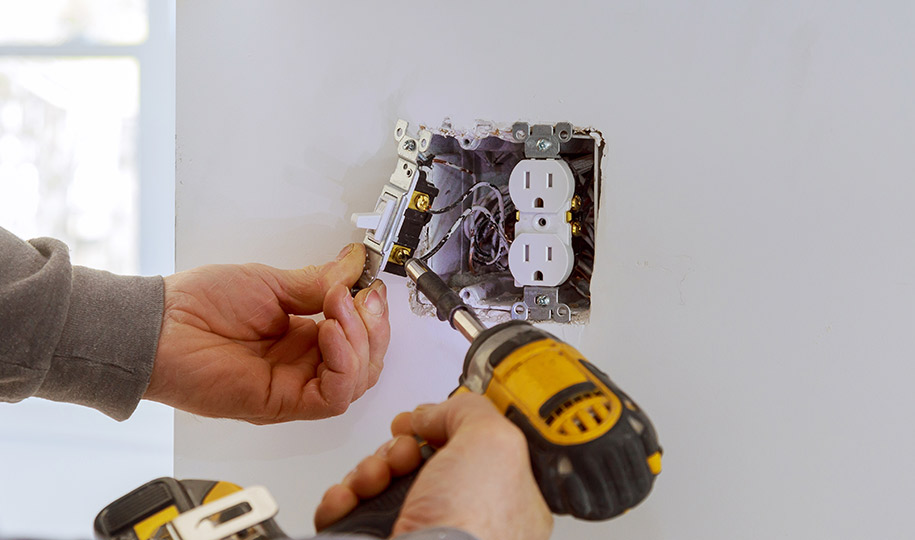
You’ll usually find common wires behind wall switches, inside junction boxes, or connected to outlets and light fixtures. These wires are often bundled with hot and ground wires and can be tucked behind faceplates or within ceiling or attic wiring setups.
Here’s a quick overview of common wire functionality:
- Neutral functionality: The common wire balances the flow of electricity by completing the circuit and returning power to the electrical panel.
- Voltage role: It safely carries residual voltage back to the source to help reduce electrical risk.
- Typical location: Found behind outlet plates, light switch boxes, or running from HVAC components.
Are all Homes Built With Electrical Common Wire?
Not necessarily. Many older homes built before the 1980s weren’t wired with electrical common wire by default. In those cases, you may need to run a new wire through the wall or use an adapter kit, depending on your upgrade needs.
If you’re planning to install a device that needs a continuous power supply, it’s a good idea to check for a common wire first. If you’re not comfortable working with electrical components, it’s best to bring in an electrician to do the job safely.
Avoiding Mistakes With Wire Identification
Trying to guess which wire is which can be dangerous. Misidentifying a hot wire or connecting a smart device to the wrong terminal can lead to short circuits or electrical fires. That’s why it’s important to consult a professional if you have any doubts.
Even though smart thermostats and lighting systems often come with DIY instructions, older homes and complex wiring setups may require more than just plugging in a new device. If something feels unclear, stop and call for help. Getting it done right the first time can prevent bigger problems later.
When to Call a Pro
Working with electrical systems can be dangerous. If you're upgrading your home’s wiring or installing new devices and aren't sure what or where the common wire is in your electrical system or how to identify it, contact a professional.
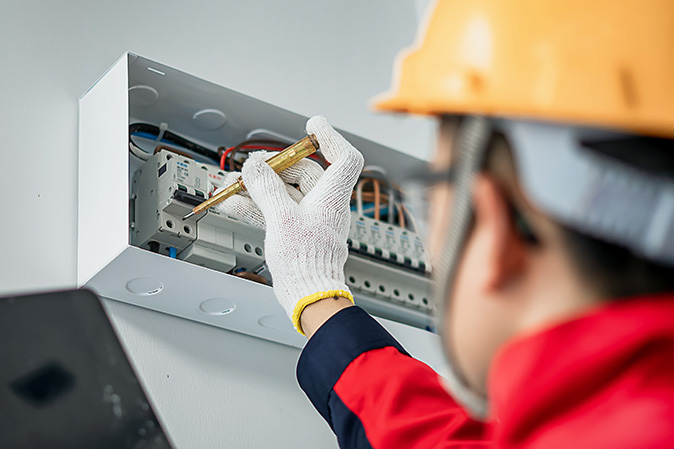
Through your home warranty from First American, certain covered home systems, such as electrical wiring, may be eligible for repair or replacement by a prescreened technician, depending on your specific plan and the issue.
Consider Home Warranty Protection
Learning what is a common wire and how it works can help you better understand your home’s electrical system and avoid issues during upgrades or repairs.
If a covered electrical system breaks down, a First American home warranty can help take care of the repair or replacement. It’s just one of the ways we help make homeownership easier.
Ready to protect your home’s systems and appliances? Explore our plans today and see how First American Home Warranty can bring you more peace of mind.
The contents of this article are provided for general guidance only. First American Home Warranty does not assume any responsibility for losses or damages as a result of using this information.
Please be aware that if you disassemble a covered system or item, it can invalidate your home warranty or manufacturer's warranty.

Keep Reading





Home Care Buzz Experts
The First American Home Care Buzz team is made up of experienced home warranty writers and editors. Our team provides valuable insights and information to help homeowners like you meet the daily challenges of homeownership.
This article is about...