
How to Fix a Blown Fuse: 6 Steps
JULY 11, 2025 | Home Care Buzz Experts | 5 minute read
If the power suddenly goes out in one area of your home, there’s a good chance you’re dealing with a blown fuse. This is especially common in older homes that still use fuse boxes instead of modern circuit breakers. Whether the blown fuse is an easy fix depends on what caused it and how your electrical system is set up.
In this guide, we’ll walk you through how to tell if a fuse blew, what caused it, and how to fix it. You’ll also learn when it’s time to call in a professional.
What Does a Fuse Do?
A fuse is a safety device that protects your home’s electrical system. When too much electricity flows through a circuit, the fuse “blows” — meaning it stops the flow of power to prevent overheating or even a fire.
You might be more familiar with circuit breakers, which trip and can be reset. Fuses do the same basic job, but they work differently. A fuse breaks the circuit entirely and must be replaced. Circuit breakers, on the other hand, can be switched back on. You’ll usually find fuses in older homes that still use fuse boxes instead of modern breaker panels.
Typical Fuse Ratings and What They’re Used For
Fuses come in different sizes based on how much electrical current a circuit needs. Using the right fuse helps protect your wiring and appliances. Here’s a quick guide to common fuse ratings and where you’ll usually find them:
Fuse Rating |
Typical Use |
|
15 amps |
Lights, outlets, and small electronics |
|
20 amps |
Kitchen outlets, bathroom circuits |
|
25 amps |
Window AC units, small appliances |
|
30 amps |
Dryers, water heaters, large appliances |
|
40+ amps |
Electric ranges, subpanels |
Pro tip: Always replace a blown fuse with one that matches the correct amp rating. Using the wrong size can lead to more blown fuses or even create a fire risk.
How to Tell if a Fuse is Blown in Your House
When a fuse blows, it usually cuts power to a specific area — like your kitchen or living room. Lights may go out, and power outlets might stop working. If you open your fuse box, you might see a dark spot or melted metal inside the fuse.

Common Causes of a Blown Fuse in a House
Blown fuses usually happen when a circuit gets overloaded or something goes wrong with your wiring or appliances. Here are the most common reasons:
- Overloaded circuits: Plugging in too many high-powered devices (like space heaters, microwaves, or hair dryers) on the same circuit can cause it to overload and blow a fuse.
- Short circuits: When a hot wire touches a neutral or ground wire, it creates a surge of electricity that blows the fuse.
- Faulty appliances: Old or damaged appliances can draw too much power or cause a short circuit, triggering the fuse to blow.
- Outdated wiring: Older homes with aging or faulty wiring are more prone to electrical issues, including frequent blown fuses.
- Loose connections: Poorly connected wires or terminals inside outlets or the electrical panel can cause fluctuations that lead to blown fuses.
- Wrong fuse size: Replacing a fuse with one that has too low of an amp rating can make it blow even under normal conditions.
6 Steps for Fixing a Blown Fuse
Before you fix a blown fuse, make sure you’re taking the right safety precautions. Be sure your hands are dry and you’re standing on a dry surface or a rubber mat. If anything seems unsafe or confusing, don’t take the risk — call a licensed electrician instead.
Step 1: Turn Off the Lights and Unplug Devices
Go to the area of the house where the power went out and unplug everything. That includes lights, chargers, appliances, and anything else plugged in. This keeps the new fuse from blowing the moment you replace it and helps you avoid another overload.
Step 2: Open Your Fuse Box
Find your fuse box. It’s usually located in a basement, garage, utility closet, or hallway. Carefully open the panel. Inside, you’ll see several round fuses screwed into sockets.
Step 3: Identify the Blown Fuse
Look for the fuse that’s blown. It will likely have a black or cloudy appearance inside the glass, or you may notice that the thin metal strip inside is broken. If all the fuses look the same, compare them closely. A blown fuse is usually easy to spot once you know what to look for.
Step 4: Unscrew the Blown Fuse
Wearing electrical gloves, carefully unscrew the blown fuse by turning it counterclockwise. It should come out easily. If it feels stuck, don’t force it. Use a rubber-handled tool if you need extra grip but do not use anything metal to keep yourself safe.
Step 5: Replace the Fuse
Get a new fuse that has the same amperage rating as the old one. You’ll see the number (like 15A or 20A) printed on the fuse. Don’t go higher than that number — using a fuse with too high of an amp rating is dangerous. Screw the replacement fuse into place snugly but gently.
Note: Fuses are rated by amperage, which determines how much current they can handle before blowing.
Step 6: Test the Circuit
Once the new fuse is in, go back and turn on one light or plug in one device. If it works, your power is back. Plug in the rest of your devices one at a time to make sure everything’s working as it should.
What to Do if You Can’t Reset the Blown Fuse
If the fuse blows again right after you replace it, something else is going on. Try unplugging everything on the circuit and replacing the fuse again. If it still blows with nothing plugged in, you may have a short circuit or a deeper wiring issue. In that case, it’s best to stop and call an electrician to check things out.
Pro tip: If a home has a fuse box rather than a circuit breaker panel, it likely means the electrical system hasn't been fully updated in decades. Many experts recommend upgrading to a modern breaker panel for safety and convenience.
When to Call in a Professional
You should call a licensed electrician if your fuse keeps blowing repeatedly, especially when nothing is plugged in. That usually points to a problem with the wiring or the fuse box itself. If you notice burning smells, sparks, or heat coming from the panel, turn off the power to the fuse box (if possible) and call an electrician immediately.
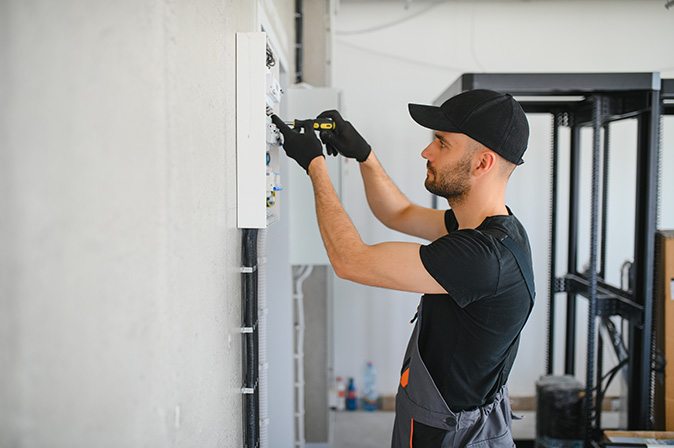
Electrical work can be dangerous if you’re not sure what you’re doing, and it’s never worth the risk to guess. A professional can inspect the system and recommend safe repairs or upgrades.
How Can You Prevent Fuses from Blowing?
You can’t stop all electrical problems, but following this advice can help:
- Don’t overload circuits. Spread out appliances across different power outlets.
- Limit extension cord use. Too many cords on one circuit can cause overloads.
- Upgrade older appliances. Old or faulty devices can strain your system. Consider buying new appliances to avoid blown fuses and other electrical issues.
- Consider rewiring. If you have frequent blown fuses, your home may need updated wiring or a new breaker panel.
Take the Next Step to Protect Your Home
Blown fuses are inconvenient and sometimes dangerous. While it might happen every now and then, repeated blown fuses could point to a bigger electrical problem that you’ll need to address.
A First American home warranty includes electrical coverage that can help take care of the repair or replacement of electrical panels, circuit breakers, switches, and more when they fail, saving you time, stress, and money.
Get a free home warranty quote today and find out how we can help keep your home powered and protected.
The contents of this article are provided for general guidance only. First American Home Warranty does not assume any responsibility for losses or damages as a result of using this information.
Please be aware that if you disassemble a covered system or item, it can invalidate your home warranty or manufacturer's warranty.



Keep Reading





Home Care Buzz Experts
The First American Home Care Buzz team is made up of experienced home warranty writers and editors. Our team provides valuable insights and information to help homeowners like you meet the daily challenges of homeownership.
This article is about...