
Microwave Not Heating? Common Problems and What to Do
AUGUST 20, 2025 | Home Care Buzz Experts | 4 minute read
Microwaves are a must-have kitchen appliance in most homes. So when yours stops heating, it’s more than an inconvenience — it can throw off your whole cooking routine.
Luckily, there are several possible reasons why your microwave is no longer heating up, as well as potential fixes. Read on to discover easy tips to get yours working correctly again.
Why Is My Microwave Not Heating Up?
Most issues with microwaves are easy to fix, yet others may need help from a pro. Here’s what might be going on with yours:
The Door Switch Is Broken
Microwaves won’t start if the door doesn’t close properly. If the switch inside the door gets stuck or breaks, your microwave might stop heating. You may still hear it running, but the food stays cold.
The Diode Burned Out
Microwaves use a high-voltage diode to send power to the magnetron, which creates heat. The diode acts like a one-way gate for electricity. If it burns out, the magnetron can’t heat your food — even if the microwave still turns on.
A Fuse Blew
If your microwave suddenly shuts off and won’t heat, it may have blown a fuse. This can happen if there’s a power surge or the microwave overheats.
The Magnetron Failed
The magnetron is the part of your microwave that creates heat. If it stops working, your microwave won’t warm anything up. This part can wear out over time. It’s also an issue for your microwave when you think you’ve placed a dish for heating in the microwave and accidentally run an empty microwave instead. Running an empty microwave often can overheat it and wear down the magnetron over time.
The Control Board Is Faulty
The control board tells your microwave what to do. If it fails, your microwave might light up and the turntable inside will likely spin — but the microwave won’t heat. If the control panel is the issue, you usually need to get it repaired by a professional or replace the unit, depending on the cost.
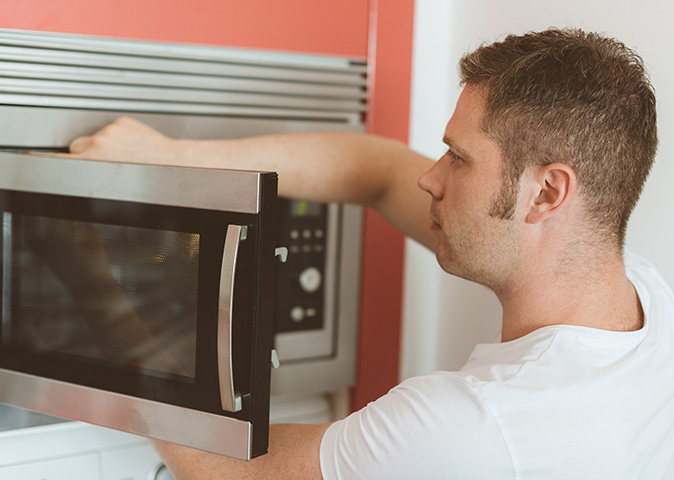
How to Fix a Microwave That No Longer Heats
Before you call in a professional, there are a few things you can check yourself. Try these simple steps to figure out what’s going on:
1. Double Check the Power
Start with the basics. Make sure your microwave is fully plugged in and the outlet is working. If you’re not sure, plug in another small appliance to test the outlet. If the device still doesn't have power, you might need to reset your circuit breaker.
2. Check the Microwave Door
Microwaves won’t run unless the door is closed properly. Open and close the door a few times to make sure it latches, and listen for a solid click when it shuts. If the latch is loose or broken, the microwave won’t heat.
3. Try a Quick Reset
Sometimes a simple reset can fix the problem. Unplug the microwave, wait a few minutes, then plug it back in. This can help clear out small glitches in the system.
4. Test It With Water
Place a microwave-safe cup of water inside and run it for one minute. If the water doesn’t warm up, the issue is likely with a part inside the microwave that may need a professional fix or replacement.
5. Call a Professional
If none of the steps above work, it might be time to call a technician. Issues with the diode, magnetron, or control board usually need professional tools and experience to fix.
But depending on the age of your microwave and the cost of repairs, it may make more sense to replace it instead.
Should I Replace a Microwave That’s Not Warming Up?
If your microwave is more than 8 to 10 years old and it stops heating, replacing it might be easier than repairing it. Repairs for the magnetron or control board can be expensive and sometimes are close to the cost of a new unit.
Microwaves also have a limited lifespan. Even with proper care, they eventually wear out. If yours is getting old, take a moment to consider the lifespan of your microwave and whether it’s worth investing in repairs.
Newer models tend to be more energy efficient, heat more evenly, and come with updated features. If you’ve had your microwave for a while, a replacement may offer more value in the long run.
Make Your Microwave Last Longer
When it comes to boosting your microwave’s lifespan, a few simple habits can go a long way:
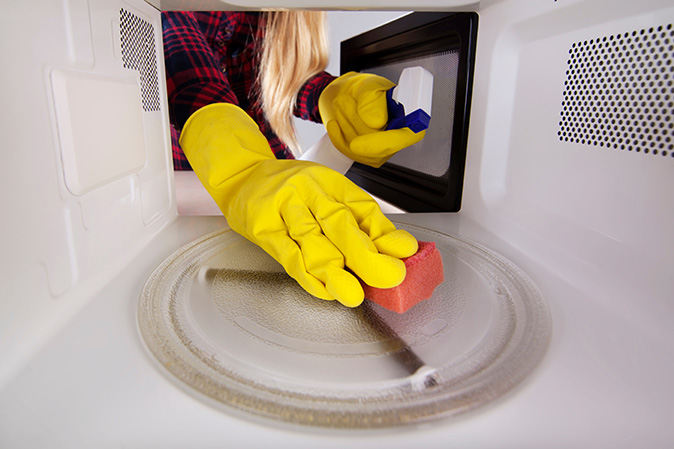
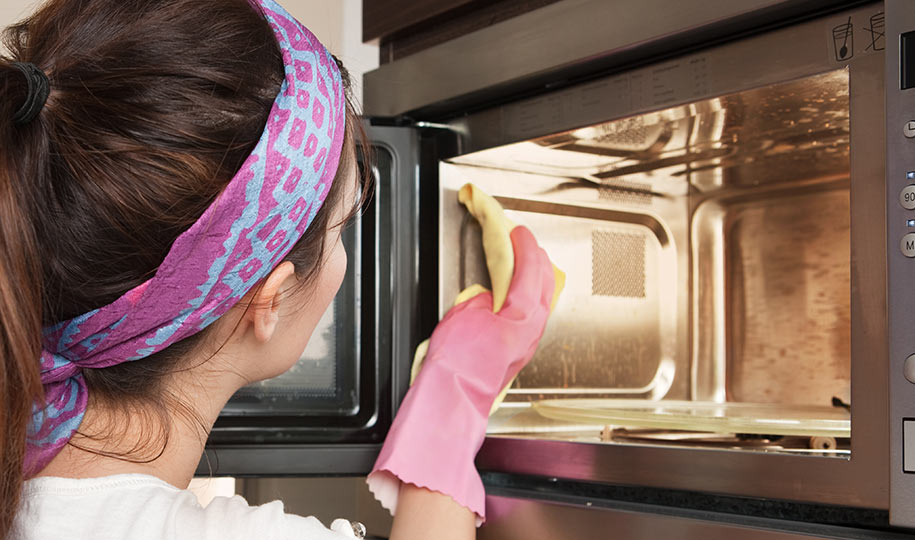
- Keep it clean. Clean your microwave regularly so food doesn’t build up on the inside and cause damage to the appliance.
- Close the door gently. Slamming it can break the door switch.
- Use microwave-safe containers. Metal or unsafe plastics are just a few things you shouldn’t put in your microwave. They can cause sparks, which can damage the unit’s internal components, affect functionality, and increase fire risk.
- Don’t block the vents. Leave enough space around the microwave so air can flow properly and prevent overheating.
- Avoid running it empty. Doing so can burn out the magnetron over time.
Get Reliable Coverage for Your Microwave
When your microwave stops heating, it can be frustrating — and sometimes expensive.
A home warranty can make this situation a little easier by providing a convenient repair-and-replacement solution at your fingertips. At First American Home Warranty, built-in microwave coverage is included in our plans, so you don't have to deal with surprise repairs alone. We also cover many other home appliances and systems you use every day that are vital to keeping your household running smoothly.
Get a free home warranty quote and find out how our coverage can help protect your budget — and your home’s essential appliances.
The contents of this article are provided for general guidance only. First American Home Warranty does not assume any responsibility for losses or damages as a result of using this information.
Please be aware that if you disassemble a covered system or item, it can invalidate your home warranty or manufacturer's warranty.

Home Care Buzz Experts
The First American Home Care Buzz team is made up of experienced home warranty writers and editors. Our team provides valuable insights and information to help homeowners like you meet the daily challenges of homeownership.
This article is about...