
Best Time to Purchase or Sell a Home: Winter?
JANUARY 25, 2024 | Home Care Buzz Experts | 5 minute read
We tend to think of summer as the best time of year to buy a house — but the colder months offer plenty of reasons to list or look for a new home. Whether you're relocating for a career change, growing your family, or want to take advantage of a slower time in real estate, winter has much to offer home buyers and sellers. When it comes to the best time to buy a house, it depends on your needs and timeline. Let's dive into some of the pros and cons of buying and selling homes in the winter.
Buying a House in the Winter
Winter can be a surprisingly great time to purchase a new home, though the season brings unique challenges to the process. There are quite a few pros to keep in mind, but we'll cover the cons, too, so you can make an informed decision.
Pros: Buying in Winter
- Lower home prices: Winter isn't considered a busy season for real estate, so there's less demand for properties. This leads to lower home prices, which means you may be able to afford a newer or nicer house than you thought. (For additional context, read about the pros and cons of buying a new house vs. an old house.)
- Quicker transactions: Buying your home tends to move more quickly during colder months when fewer home sales happen. From loan officers to home inspectors, everyone's to-do list is shorter, and they'll likely be able to complete your tasks sooner.
- Motivated sellers: People buy and sell homes all year round, but often, people list their homes during the winter due to a "must-sell" situation. Demand is typically lower, and sellers know they will likely get less for their house during this time. Additionally, if a home is still on the market after being listed in the summer or fall, the sellers may be willing to negotiate to complete the sale quickly. (This could mean lower closing costs or even a home warranty covered by the seller!)
- Less competition: Summer is the most popular home-buying season, so you'll have less competition for a home you want during the winter months. If you want to negotiate, this can give you more leverage in the transaction.
- More focused service: Real estate agents have more time during their slower winter months, which gives them more time for highly focused service and a more personalized experience from your real estate professional.
- Winter assessment: When you buy a home in summer, you have less insight into how it will hold up when cold weather comes. Viewing and buying a home in winter means you can take the opportunity to find and address issues related to the season. Whether the home needs a new heating system, fresh seals on doors and windows, or a new roof, winter may help bring these issues to light.
Related: What to Look for When Buying a House.
Cons: Buying in Winter
- Difficult inspections: Inspectors may have difficulty accessing the home due to rain, snow, or ice. This can potentially delay the process.
- Smaller market: There aren't as many homes for sale in the winter, so you won't have as many to choose from. Challenging move: Buying a house for sale in winter typically means moving in cold temperatures, too. This can be challenging, especially in an area with extreme winter weather. (But remember, moving in the hot summer months isn't always a breeze, either!)
- Landscaping woes: In most cases, you won't know what a property's landscaping looks like during winter. You may need to rely on photos to see what happens to the yard and plants.
- Shorter days: Less daylight may mean fewer available hours for home tours and showings, making the process slower.
What About Selling a House in Winter?
While selling a house in winter may not be the most obvious choice, it has its upsides. It can be a little more challenging than selling in busier months, but let's review the pros and cons of selling a house in winter.
Pros of Selling Homes in Winter
- Quick purchase: Thanks to motivated home buyers and less busy loan processors, selling your home can move much more quickly in winter.
- Fewer comps: Thanks to a slower winter market, your home will be viewed by more potential buyers and be compared to fewer competitors.
- Focused agents: With fewer clients in the colder months, your real estate agent will have more time to focus on closing the sale.
Cons of Selling Houses in Winter
- Lower offers: The market is slower, and buyers are more likely to negotiate for lower prices. While this can mean a quicker sale, you may get less for your home. (But if you're also buying a new home in the winter, it may even out!)
- Fewer buyers: Your property may be on the market for longer in the winter, and you may have fewer buyers making offers. This means you may need to negotiate more to close the deal. Consider adding a real estate home warranty for the buyers to help make the sale.
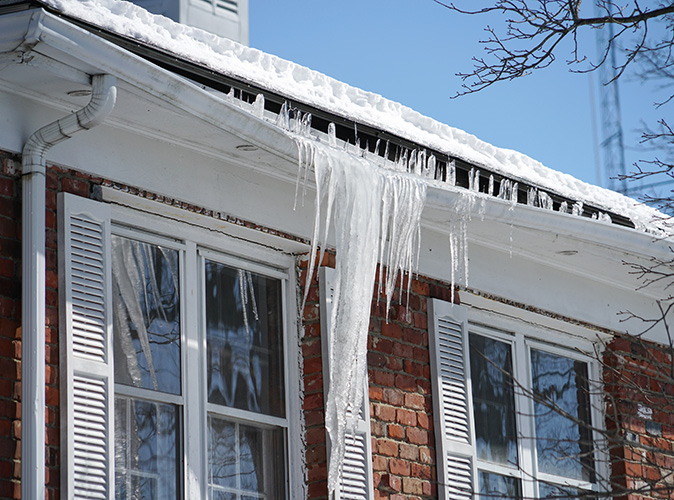
- Curb appeal: It's generally more difficult to make your home look appealing in the winter, thanks to the often bleak weather. The weather can also make it difficult to raise your property value and curb appeal with improvements.
Tips for Buying and Selling in the Winter
Whether you're buying or selling your home in the cold season, we have some tips to make the process easier.
Tips for Home Buyers
Winter: is it a good time to buy a house? While you may think of warm weather when determining the best month to buy a house, there are perks to choosing a colder month for your purchase.
- Drive around the local neighborhood to discover areas that may be hard to navigate in snow and ice.
- Ask sellers about any parts of the house that cause trouble in cold weather.
- Walk around the home during the showing and check for any drafty areas or cold spots that may need extra installation before you make the purchase.
- Consider requesting snow removal if needed before moving into the home.
Tips for Home Sellers
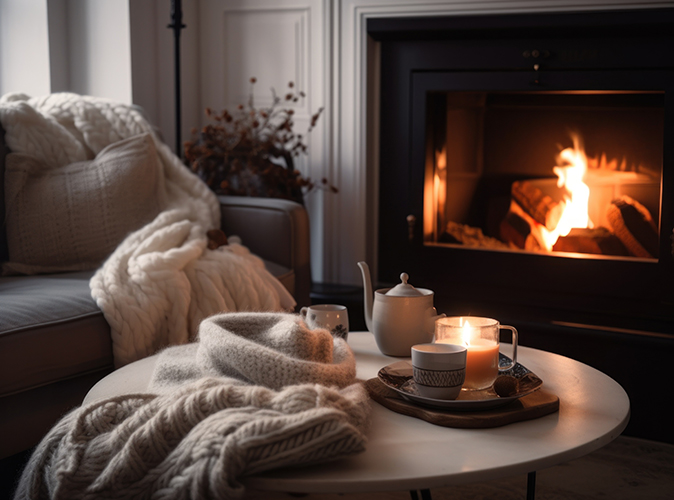
Go above and beyond with curb appeal in the winter months. Decorate for the holidays to give your house a cozy glow for touring buyers. Keep floors clean to avoid unsightly buildup of salt or chemicals if applicable, and remove snow or ice that may accumulate. It's a great time to showcase how cozy and inviting your home can be when it's cold outside, so don't hesitate to use your fireplace, light some candles, and set out the comfiest throw pillows and blankets. And remember to keep the temperature in the home between 68-70 degrees so viewers will feel nice and warm.

Bonus tip: Consider purchasing a home warranty as an incentive for buyers. Find out more about seller coverage and how a home warranty could help you close the deal, and get a quote today.
FAQs About Buying or Selling a Home in Winter
Is winter a good time to buy a house?
Thanks to generally lower home prices and quicker closing times, winter can be a great time to buy a house.
When do houses go on the market?
Spring and summer are the busiest times for houses to go on the market.
Is it smart to buy a house in winter?
If you complete your due diligence, winter can be a great time to buy a house! Your real estate agent may be less busy, and you benefit from lower prices and faster closing processes during the slow season.
The contents of this article are provided for general guidance only. First American Home Warranty does not assume any responsibility for losses or damages due to using this information.


Keep Reading









Home Care Buzz Experts
The First American Home Care Buzz team is made up of experienced home warranty writers and editors. Our team provides valuable insights and information to help homeowners like you meet the daily challenges of homeownership.
This article is about...