
How to Fix a Clogged Sewer Line
SEPTEMBER 04, 2025 | Home Care Buzz Experts | 4 minute read
If your home has slow drains, gurgling toilets, or water backing up in tubs or sinks, you may be dealing with a clogged sewer line. This is one of the more serious plumbing issues, and if ignored, it could lead to damage inside and outside your home.
Here’s how to recognize the signs, what causes sewer line blockages, and how to unclog a sewer line safely.
What Causes Sewer Line Blockages?
Your sewer line carries all the wastewater from your home’s sinks, tubs, showers, toilets, and appliances to the municipal sewer or septic system. When this line gets blocked, water has nowhere to go.
Here are some of the most common causes of a clogged sewer line:
- Tree roots in pipes: Tree roots often grow into older or cracked pipes, leading to major sewer line blockages.
- Flushed debris: Items like paper towels, wipes, or feminine products don’t break down easily and can clog the main line.
- Grease and fat buildup: When grease cools, it hardens and sticks to the pipe walls, restricting flow over time.
- Collapsed or sagging pipes: Aging sewer lines can collapse or shift, making them prone to getting clogged.
- Heavy rain or flooding: Extra water can overload your system, especially if there’s already a partial blockage in the line.
Signs of a Clogged Sewer Line
Sewer line clogs can happen gradually or all at once. Here are a few warning signs to watch for:
- More than one drain in your home is slow
- Water backs up into tubs or showers when you flush or run water
- Gurgling sounds coming from toilets or drains
- Bad smells coming from sinks or yard drains
- Standing water or wet patches near your sewer cleanout
If you notice more than one of these, there’s a good chance your main sewer line is clogged, not just an individual drain.
How to Unclog a Sewer Line
Knowing how to unclog a sewer line can help you take quick action, especially if you catch it early. While some blockages require a professional, there are a few things you can try on your own.
Step 1. Find and Check the Sewer Cleanout
The sewer cleanout is a capped pipe outside your home, often near the foundation. Carefully remove the cap. If water or sewage spills out, that confirms a main line clog.
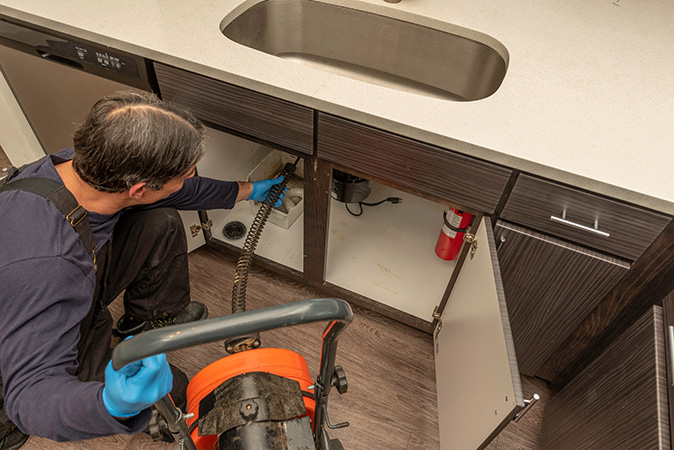
Step 2. Use a Plumbing Snake
If you have access to a plumbing snake, also called a sewer auger, you may be able to break up or pull out the blockage. Feed it through the cleanout slowly and rotate it to clear debris. This method works best for grease or minor clogs near the surface.
Step 3. Flush With Water (If It’s Safe)
Once you’ve snaked the line, run a small amount of water to see if it drains. If water immediately backs up again, stop. Flushing can make a backup worse if the clogged sewer line hasn’t cleared.
Step 4. Try an Enzyme Cleaner
For partial sewer line blockages, a bacterial enzyme-based cleaner may help dissolve grease or organic buildup. These take time to work and can be a better maintenance solution, but are not for complete clogs.
When to Call a Professional
If the clog returns quickly or your DIY efforts haven’t worked, it’s time to bring in help. You may need a professional waste line inspection and repair if:
- The clog keeps coming back
- You see standing water or sewage outside
- Tree roots have grown into the line
- You hear gurgling or bubbling from multiple drains
- You’ve already tried snaking, and it didn’t work
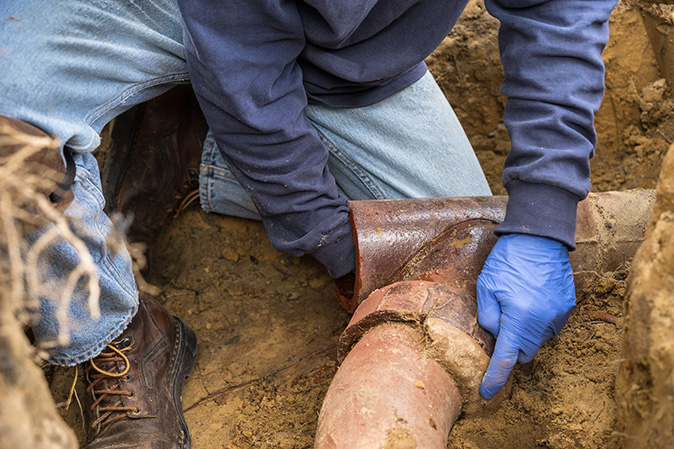
Plumbers can perform a camera inspection to locate the blockage and determine the best solution. In some cases, high-pressure water (hydro jetting) or excavation may be needed.
How to Prevent Future Sewer Line Blockages
Once you've cleared a clog, you’ll want to avoid another. Here are a few habits that can help prevent a clogged sewer line:
- Only flush toilet paper. Never paper towels, tissues, hygiene products, or wipes – even if they claim to be flushable
- Avoid pouring fats, oils, or grease down the sink
- Use drain screens to catch hair and debris
- Schedule routine sewer line inspections, especially in older homes or those with trees near the pipes
Why Coverage Matters for Sewer Line Repairs
Fixing a clogged sewer line can be expensive, especially if you need a camera inspection, pipe replacement, or excavation. That’s why many homeowners look for ways to protect themselves from surprise repair costs. A home warranty from First American may include sewer line coverage, helping take care of repairs when breakdowns happen from everyday use.
Planning Ahead for Plumbing Problems
Nobody likes dealing with a clogged sewer line, but being prepared can make handling it easier. Knowing how to unclog a sewer line, when to call a pro, and how a home warranty can help means fewer surprises and more peace of mind.
Not sure how to ensure your sewer line is covered? First American can help you find a plan that fits your needs.
Get a free quote today to learn how a plan from First American Home Warranty can help protect your home’s plumbing and your wallet.
The contents of this article are provided for general guidance only. First American Home Warranty does not assume any responsibility for losses or damages as a result of using this information.
Please be aware that if you disassemble a covered system or item, it can invalidate your home warranty or manufacturer's warranty.



Keep Reading






Home Care Buzz Experts
The First American Home Care Buzz team is made up of experienced home warranty writers and editors. Our team provides valuable insights and information to help homeowners like you meet the daily challenges of homeownership.
This article is about...