
Why Your Dishwasher Door Won't Close
AUGUST 28, 2025 | Home Care Buzz Experts | 3 minute read
One of the most frustrating kitchen problems is when the dishwasher door won’t close. This can prevent the appliance from running entirely, even if everything else seems to be working correctly.
The good news? A small fixable problem usually causes this issue. Whether it’s a latch, an alignment issue, or something stuck inside, we’ll walk you through the common causes of a dishwasher door not closing and what to do next.
Check for Blockages or Obstructions
Start with the easiest fix. Open the dishwasher and look closely at the racks. Are any utensils or handles sticking out? Is a large dish nudging the door open?
Common obstructions include:
- Long-handled utensils or oversized dishes
- Racks that aren’t properly in place
- Food debris or broken parts lodged in the door area
Gently slide the racks in and out. Clear away anything that looks out of place. Even a small obstruction can stop the door from sealing correctly.
Inspect the Door Gasket
The gasket is the soft rubber or vinyl strip around the door’s edge that helps create a watertight seal. If it’s cracked, dried out, or loose, it can stop the door from closing all the way.
Wipe down the gasket with a damp cloth and check for damage. Replacing the seal may be your best bet if it feels brittle or looks warped. A faulty gasket could also interfere with the latch’s ability to engage.
Is the Dishwasher Misaligned?
If your dishwasher was installed recently, you’ll want to check if it was leveled correctly. If it’s not level, the door and latch may not align.
If the appliance leans or feels wobbly, the legs may need adjustment. A slight tilt can be enough to prevent the latch from connecting. You might also notice that the door doesn’t close evenly on both sides, indicating that the unit needs alignment.
Dishwashers have levelling legs or feet that are simple to adjust, usually with an Allen or crescent wrench. Check your dishwasher manual for instructions on how to adjust the feet on your model.
How to Reset Dishwasher Door Latch
Still no luck? You may need to reset the latch. This step is beneficial for newer dishwashers that have digital controls or sensors.
Here’s how to reset a dishwasher door latch:
- Turn off the power to the dishwasher at the breaker or unplug it
- Open and close the door a few times to realign the latch and strike plate
- Turn the power back on and try starting a cycle
Some models have specific reset instructions, so check your owner’s manual for instructions. This quick reset can often fix latch issues caused by electronic miscommunication or a temporary jam.
When the Latch Itself Is the Problem
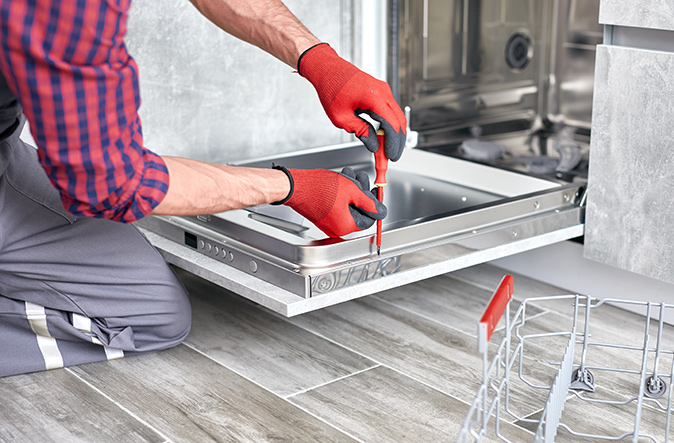
If the door still won’t close after a reset, the latch or strike plate might be damaged. Over time, plastic latches can wear down, or metal ones can bend, making it harder for the pieces to connect and lock.
You may notice:
- The latch feels loose or won’t “click” into place
- The door pushes in but springs back out
- You hear clicking, but the cycle won’t start
If the latch or strike plate is visibly damaged or misaligned, it might need replacing. If you’re comfortable with DIY repairs, you can order a compatible part and follow the instructions. If not, it’s a good time to call a professional.
When to Call a Professional
You’ve checked the racks. You’ve cleaned the gasket. You’ve tried resetting the latch. If your dishwasher door won’t close and you’ve gone through all the basic fixes, it may be time to call a professional.
A technician can inspect:
- The latch and strike plate alignment
- Door hinges and frame structure
- Interior components like mounting brackets or tub damage
Getting expert help ensures the repair is done safely and helps you avoid accidentally damaging the appliance further.
What to Do When Your Dishwasher Door Won’t Close
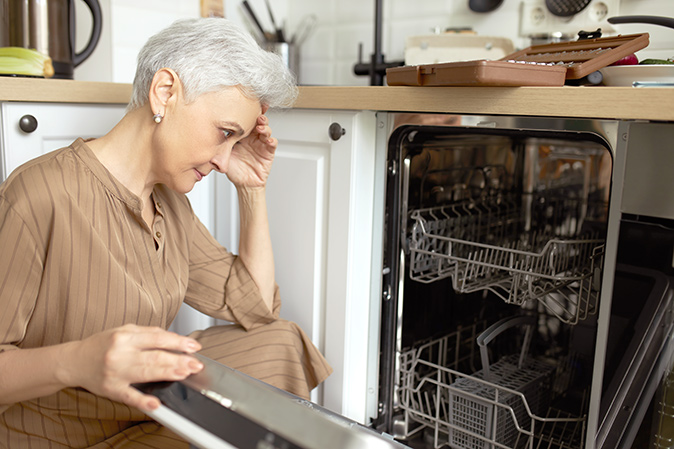
If your dishwasher door won’t close, don’t assume the worst. Many issues are easy to fix, from clearing obstructions to resetting the dishwasher door latch.
With a First American Home Warranty, your dishwasher and many other appliances are protected when they break from normal wear and tear. That way, you’ve got a simple solution to get covered items repaired or replaced — without busting your budget.
Want to see what’s covered? Get a free quote today.
The contents of this article are provided for general guidance only. First American Home Warranty does not assume any responsibility for losses or damages as a result of using this information.
Please be aware that if you disassemble a covered system or item, it can invalidate your home warranty or manufacturer's warranty.

Keep Reading





Home Care Buzz Experts
The First American Home Care Buzz team is made up of experienced home warranty writers and editors. Our team provides valuable insights and information to help homeowners like you meet the daily challenges of homeownership.
This article is about...