
How to Install a Dishwasher in 10 Steps
JUNE 17, 2025 | Home Care Buzz Experts | 5 minute read
Project Overview

Intermediate

3 Hours

< $150
All Values are Estimates
Replacing an old dishwasher with a new one can save you time, water, and energy, especially if your current model is noisy, leaking, or not cleaning your dishes anymore. If you’re ready to get a new dishwasher, you can install it yourself if you’re comfortable with basic tools and some light plumbing and electrical work.
This guide walks you through everything you need to know about dishwasher installation. We’ll also cover troubleshooting tips and what it might cost to do it yourself or hire a professional.
What to Know Before Installing a Dishwasher
Before you remove your old dishwasher, take a few minutes to understand how the new one connects. Your dishwasher needs:
- A power source: This is usually a direct wire or a plug.
- A water supply: This is connected to your home’s hot water line.
- A drain hose: This is needed to carry wastewater to your sink or garbage disposal.
You’ll also want to measure the area where your new dishwasher will go. Measure the width, height, and depth of the space. Most dishwashers are about 24 inches wide, but it’s always a good idea to double-check.
Finally, make sure you read the manufacturer's installation instructions for your new dishwasher. Every model is a little different and following the manual can help you avoid common mistakes.
How to Install a New Dishwasher
It’s time to swap out your old dishwasher and hook up your new one. Follow these steps to get your new appliance installed and working properly.
Step 1: Gather Your Tools and Materials
All DIY home projects start with the right tools. Here’s what you’ll need to install a new dishwasher:
- Adjustable wrench
- Screwdriver
- Drill
- Pliers
- Level
- Measuring tape
- Teflon tape, also known as plumber’s tape
- Bucket or towel
In some cases, your new dishwasher might come with an installation kit that may include a power cord, water supply line, elbow fitting, clamps, and mounting hardware. In other instances, you’ll have to order this kit separately.
Step 2: Remove the Old Dishwasher
Start by cutting the power to the dishwasher in your breaker box. Then, turn off the water shut-off valve under your sink. Open the access panel on the front of your old dishwasher so you can reach the electrical and plumbing connections. Disconnect the power wires, water line, and drain hose.
Once everything is detached, unscrew the mounting brackets and slide the old dishwasher out carefully, taking care to protect your flooring as you move it.
Step 3: Prepare the New Dishwasher
Unbox your new dishwasher and remove any packing materials. As you did with your old dishwasher, remove the front access panel to get to the connection points. If the water inlet elbow fitting isn’t already attached, install it now.
This is also a good time to connect the drain hose to the back of the dishwasher — it’s much easier to do before the unit is in place.
Step 4: Connect the Drain Hose to the Drain Point
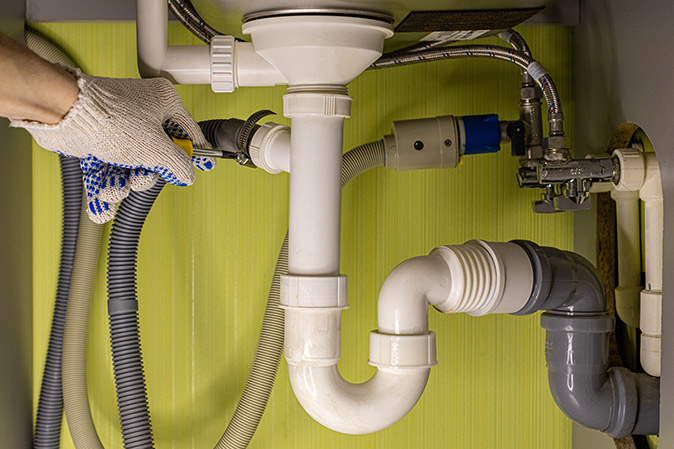
Run the drain hose through the cabinet to your sink’s plumbing or garbage disposal. Depending on your setup, you’ll use either a high loop (mounted under the counter) or an air gap (that curious fitting next to your kitchen faucet) to prevent backflow. Connect the hose to the drain port and secure it with a clamp.
Step 5: Attach the Water Supply Line
Next, wrap plumber’s tape around the threads of the water inlet, then screw on the water supply line. Tighten it gently with a wrench, careful not to overtighten. Feed the other end of the hose through the cabinet and connect it to the water valve under the sink. It’s best to do this part before the dishwasher is pushed fully into place.
Step 6: Level and Position the Dishwasher
Slide the dishwasher into the opening slowly, making sure you’re not crimping any hoses or wires. Use a level to check if the unit is even from side to side and front to back. Adjust the leveling legs until the dishwasher sits flat and secure.
Step 7: Secure It in Place
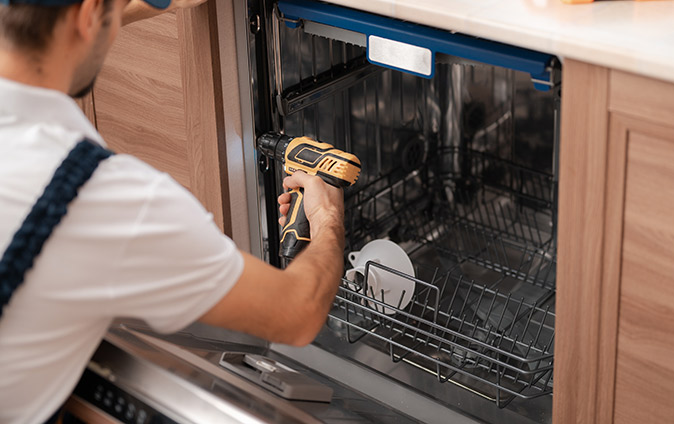
Once it’s in position and level, open the door and use a screwdriver to secure the mounting brackets to the underside of the countertop or to the side cabinets. This keeps the dishwasher from tipping forward when you load the racks.
Step 8: Connect the Power Cord
If your dishwasher uses a power cord, plug it into the nearby outlet. If it’s hardwired, connect the wires according to the color coding — typically black to black, white to white, and green or bare to ground. Note: This step may need to happen earlier if your wiring is only accessible behind the unit.
Step 9: Turn the Water and Power Back On
Now, you can turn the hot water valve back on and restore power at the breaker box. Check under the sink and behind the dishwasher to make sure there are no leaks.
Step 10: Run a Test Wash
Run a short cycle without dishes to test everything. Make sure the dishwasher fills, washes, drains, and doesn't leak. Listen for any strange sounds. If everything looks and sounds good, you’re done!
Dishwasher Troubleshooting Tips
Sometimes, even a sound installation runs into a few hiccups. Here’s what to look out for:
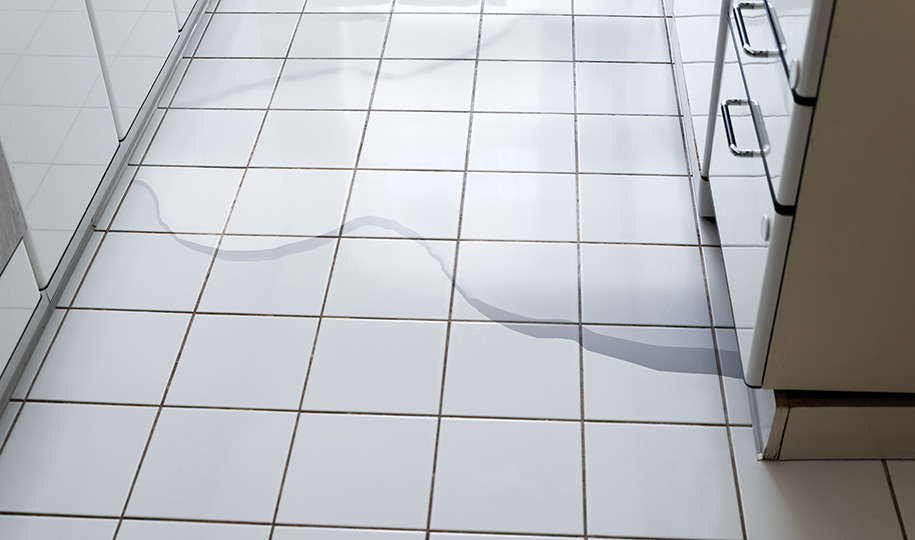
- If your dishwasher leaks, check the water supply line and drain hose connections. Make sure all clamps and fittings are tight and sealed.
- If it won’t start: Make sure the power is back on. If it’s hardwired, double-check your wire connections.
- If it doesn’t fill or drain properly: Check that the hoses aren’t kinked or blocked and that your drain hose has a proper loop or air gap.
- If it wobbles or makes loud noises: Recheck the leveling legs and mounting brackets.
How Much Does It Cost to Install a Dishwasher?
If you’re installing the dishwasher yourself, your main costs will be the dishwasher installation kit and any extra tools or supplies, like Teflon plumber’s tape or clamps. A dishwasher kit can cost anywhere from $20 to $60 or more, and because the tools you may need will vary, those prices will vary, too.
If you hire a professional, dishwasher installation costs typically range from $200 to $500 or more, depending on your location, the job's difficulty, and whether any plumbing or electrical upgrades are needed. Some appliance stores offer installation as part of a delivery package, but that may not include taking the old dishwasher away. Always ask what’s included so there are no surprises.
Keep Your Dishwasher Running Smoothly With a Warranty
A new dishwasher can be a significant investment, and repairs can get expensive. That’s where a home warranty can help. A First American home warranty can take care of repairs or replacements when your dishwasher or other covered appliances break down due to normal wear and tear.
Want peace of mind for your kitchen appliances? Get a personalized home warranty quote today.
The contents of this article are provided for general guidance only. First American Home Warranty does not assume any responsibility for losses or damages as a result of using this information.
Please be aware that if you disassemble a covered system or item, it can invalidate your home warranty or manufacturer's warranty.

Keep Reading




Home Care Buzz Experts
The First American Home Care Buzz team is made up of experienced home warranty writers and editors. Our team provides valuable insights and information to help homeowners like you meet the daily challenges of homeownership.
This article is about...