
How Ductless Mini-Splits Work, System Types, and Benefits
APRIL 22, 2025 | Home Care Buzz Experts | 5 minute read
You might not recognize the name, but you’ve probably seen a ductless mini-split system before. These compact, energy-efficient HVAC units help heat and cool homes without traditional ductwork. They often cost more upfront, but they offer flexible temperature control settings and can even lower your energy bills.
So, is a ductless mini-split right for your home? And how do these systems work? Let’s break it down.
What Is a Ductless Mini-Split System?
A ductless mini-split — sometimes called a mini-split air conditioner or mini-split heat pump — is a heating and cooling system that works without air ducts.
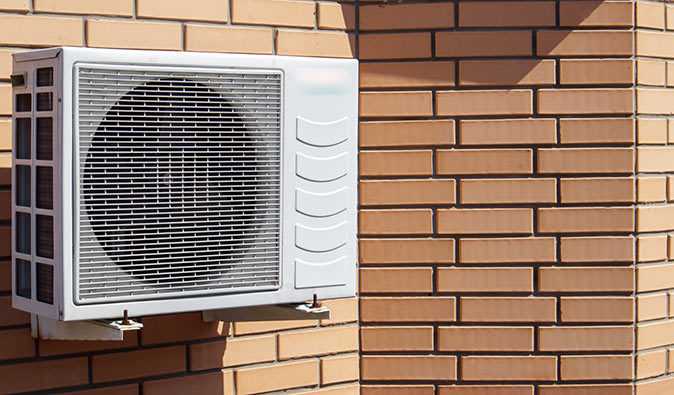
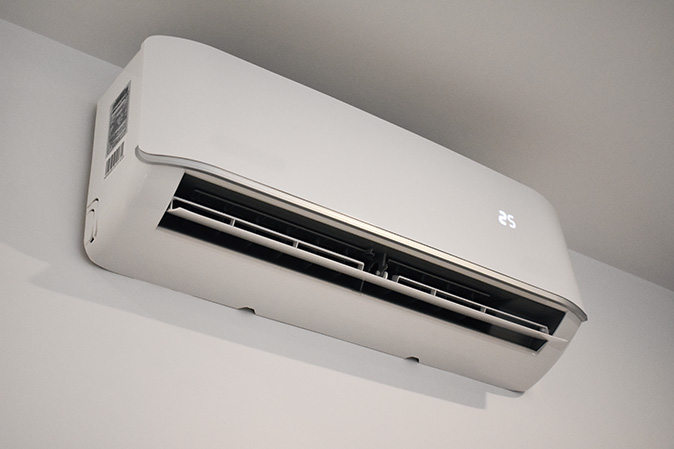
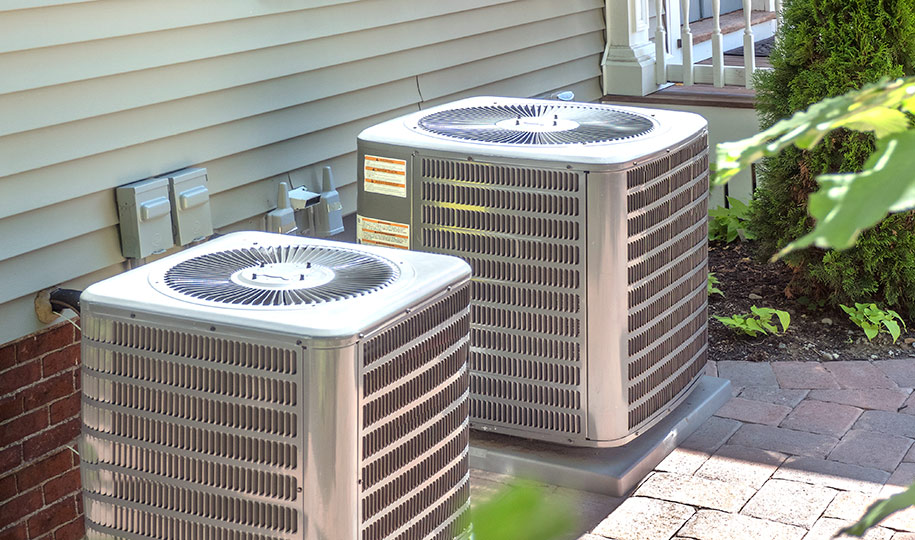
It has an outdoor unit connected to one or more indoor units, each controlling the temperature in a specific room or zone. This setup allows for more efficient climate control without major home renovations.
Many homeowners install mini-splits in houses without existing ductwork, older homes, or spaces like garages, basements, and sunrooms. They also work well for anyone who wants to set different temperature controls in different areas of the home — like keeping an office cooler while the living room stays warm.
How Do Ductless Mini-Split Systems Work?
Unlike traditional HVAC systems, ductless mini-splits move heat instead of producing it. The outdoor unit houses a compressor and a heat pump, which transfer warm air in or out of the home depending on the season:
- Cooling mode: The system removes heat from inside and pushes it outdoors to keep rooms cool.
- Heating mode: This setting draws heat from outside air — even in cold weather — and brings it inside.
Each indoor unit runs separately, so you can adjust temperatures in different rooms without affecting the whole house. Since mini-splits don’t use ducts, they avoid the energy loss common in traditional HVAC systems. This makes them a more efficient heating and cooling option for your home.
Types of Ductless Mini-Split Systems
Not all ductless mini-splits are the same. The two most common types are single-zone and multi-zone systems. Each serves a different purpose, so choosing the right one depends on your home’s heating and cooling needs.
Single-Zone Mini-Split Systems
A single-zone mini-split consists of one outdoor unit connected to a single indoor unit. This type works best when you need temperature control in just one area, like:
- A home office or bedroom
- A garage or basement
- A sunroom or guesthouse
Since it only serves one space, a single-zone system is usually more affordable and easier to install than a multi-zone setup.
Multi-Zone Mini-Split Systems
A multi-zone mini-split connects one outdoor unit to multiple indoor units, which allows independent climate control in different rooms. This type is ideal for:
- Homes without central HVAC systems
- Large or multi-story homes
- Families with different temperature preferences
Each indoor unit operates separately, so you can set different temperatures in different rooms. For example, you can keep a bedroom cooler while keeping a living room warmer.
Benefits of Ductless Mini-Splits
A ductless mini-split may be small, but it delivers powerful heating and cooling performance. Whether you’re looking for better efficiency, easier installation, or more control over your home’s temperature, a mini-split may be a smart choice.
Here are a few key benefits of using a mini-split heating and cooling system:
Higher Energy Efficiency
Traditional HVAC systems rely on ductwork to distribute cooled or heated air throughout the home. However, ducts often have leaks or poor insulation, which causes energy loss and makes the system work harder to maintain the right temperature.
Since mini-splits don’t use ducts, they deliver air directly into each room — which can reduce wasted energy, and cool and heat your house more efficiently. Plus, their inverter technology allows them to adjust output based on demand, avoiding the frequent on-and-off cycling that can drive up energy use in standard HVAC systems.
Lower Energy Bills
Because mini-split systems are more energy-efficient than traditional HVAC units, they can help reduce your monthly utility costs. Instead of using ductwork, they rely on refrigerant lines to transfer heated or cooled refrigerant to the indoor unit. The system then blows air over the coil and releases warm or cool air into your home. This helps avoid the energy loss that happens when air travels through ductwork.
Plus, their inverter technology adjusts output based on demand, so they don’t waste energy by constantly turning on and off. This efficiency can help lower your energy bills over time.
Zoned Temperature Control
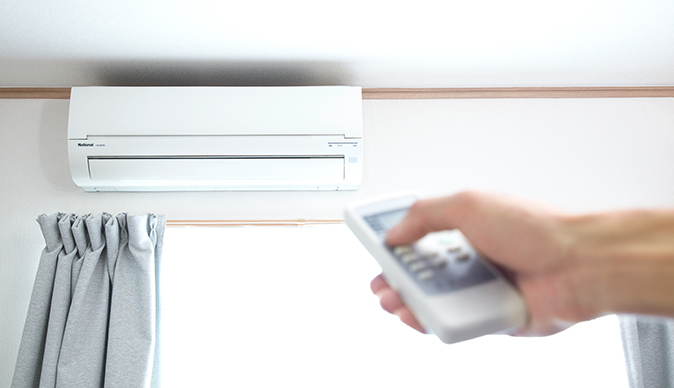
Are you tired of thermostat battles? With a mini-split, each indoor unit works independently, so you can customize the temperature in each room. Most models come with a remote control, which makes it easy to adjust the temperature without getting up.
Zoned temperature controls can be especially ideal for families with different comfort preferences or for rooms that don’t need constant heating or cooling — like guest bedrooms.
Quieter Operation
Central air conditioning and furnaces can generate 50-60 decibels of noise (roughly the noise level of a normal conversation). Mini-splits, on the other hand, can operate as quietly as 19 decibels, which is softer than a whisper. This makes them a great choice for bedrooms, nurseries, and home offices.
Easier Installation
Installing ductwork in an older home or an addition can be expensive and time-consuming. Mini-splits require minimal construction, often needing just a small opening for tubing. This makes them a great solution for homes without existing ducts.
Drawbacks of Ductless Mini-Splits
While they offer plenty of benefits, ductless mini-splits aren't right for everyone. If you're considering one of these units for your home, there are a few things to consider before making the switch:
Higher Upfront Cost
Ductless mini-split units can cost more than traditional HVAC systems, especially for multi-zone setups. While their efficiency and convenience may make up for this over time, the initial investment may be a drawback for some homeowners.
Visible Indoor Units
While standard HVAC units usually have hidden ductwork, mini-splits have indoor units that are mounted on walls, ceilings, or floors. While they're sleek and compact, some homeowners may not like having a unit visible in every room.
More Frequent Maintenance
Just like central heating and cooling systems, mini-splits require regular maintenance to keep them running efficiently, typically twice a year. Their filters often need to be cleaned every few weeks and replaced yearly — possibly more often if you have pets or allergies.
Unlike central HVAC systems, which have larger filters that can go months between changes, mini-splits may need more frequent attention.

Can You Get a Home Warranty for a Mini-Split System?
Yes, a home warranty can help take care of unexpected repairs when your mini-split system breaks down due to normal wear and tear. These systems offer flexible heating and cooling, but like any HVAC unit, they can fail over time — leading to costly repairs or replacements.
First American offers ductless mini-split coverage and will send a prescreened technician to diagnose and repair covered issues. And if the unit can’t be repaired, we’ll replace it for you.*
Keep Your Mini-Split Running with Warranty Coverage
If you rely on a ductless mini-split system for heating and cooling, a home warranty offers a convenient repair/replacement solution for unexpected breakdowns. Learn more about protecting your home's systems and appliances — and get a free home warranty quote today.
*Please review the sample contract for specific coverage, terms, and limitations.
The contents of this article are provided for general guidance only. First American Home Warranty does not assume any responsibility for losses or damages as a result of using this information.


Keep Reading



Home Care Buzz Experts
The First American Home Care Buzz team is made up of experienced home warranty writers and editors. Our team provides valuable insights and information to help homeowners like you meet the daily challenges of homeownership.
This article is about...