
How Hot Does a Dryer Get? Your Guide to Dryer Temperatures
JULY 14, 2025 | Home Care Buzz Experts | 4 minute read
Dryers make doing laundry easier, but have you ever wondered how hot these appliances actually get? And at what point is a dryer considered too hot?
Most dryers run at high temperatures to dry clothes quickly, but too much heat can damage fabrics or point to a bigger problem with the appliance. Understanding how hot a dryer should get can help you spot temperature problems early, adjust your settings, and keep your dryer running safely.
How Hot Does a Clothes Dryer Get?
Most dryers reach temperatures from 110°F to 150°F on high heat. Some models can go as high as 175°F, depending on the make and settings.
The heat level is designed to dry clothes quickly by evaporating the moisture. It can also help reduce bacteria, dust mites, and allergens on fabrics, especially when using high heat. However, it's not hot enough to thoroughly sanitize laundry.
Should the Outside of the Dryer Feel Hot?
It’s normal for the outside of a dryer to feel warm while it’s running, especially near the back. But if it feels very hot to the touch, the dryer may be overheating. This could point to a clogged vent, poor airflow, or a faulty part inside the machine.
How Hot Does the Dryer Vent Get?
The vent temperature is usually close to the dryer's internal temperature, but air coming through the dryer vent can reach up to 200°F. If the vent or ductwork is blocked, that heat can build up and cause the dryer to overheat. If this is happening, clean your dryer vent as soon as possible.
Dryer Heat Settings Explained
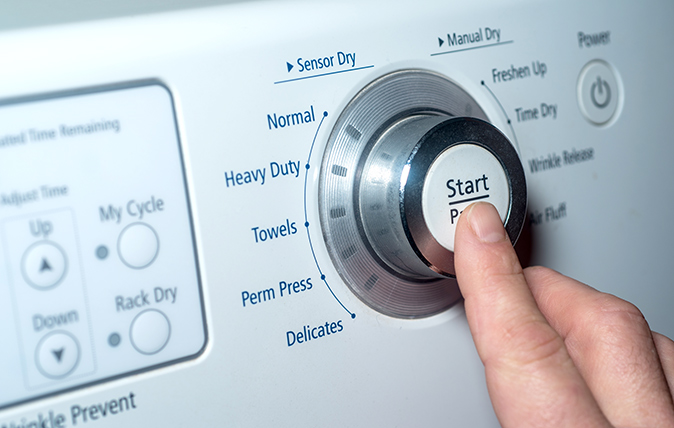
Dryers offer different heat levels depending on the fabric type and how heavy the load is. Here’s what each setting usually means in terms of temperature:
- Normal (130°F): Good for everyday items like T-shirts, jeans, and socks.
- Heavy Duty (140°F): Designed for thick fabrics like bedding or heavy work clothes.
- Towels (150°F): One of the hottest settings, made to fully dry dense or absorbent items.
- Perm Press (120°F): Uses medium heat to reduce wrinkles in synthetic fabrics.
- Delicates (110°F): A lower heat setting for delicate fabrics that could shrink or get damaged in high temperatures.
What Causes a Dryer to Get Too Hot?
A dryer getting too hot could mean something is wrong with the system. Below are the most common problems.
1. Blocked Airflow
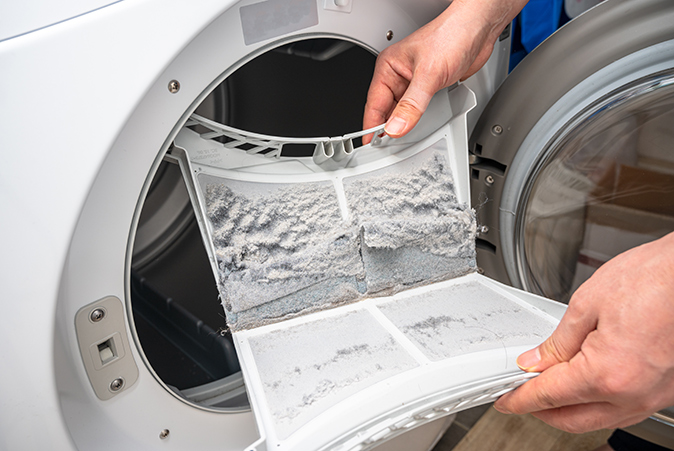
Dryers need good airflow to push hot, moist air through the vent. If the lint trap, vent hose, or exhaust duct is clogged, heat builds up inside the dryer. This can make the dryer hotter than it should be, leading to longer drying times, overheating, or damage to internal parts.
It can also become a fire hazard if too much lint collects near the heat source.
2. Broken Heating Element
The heating element creates the heat inside your dryer. If it’s damaged or stuck in the "on" position, it can cause the dryer to run hotter than it should.
3. Faulty Cycling Thermostat
This thermostat controls the dryer’s temperature. If it malfunctions, the dryer might not shut off the heat when it should. That could make the appliance unsafe or damage your clothes. Typically, the thermostat is located inside the back panel. Consult your owner’s manual for the precise location.
4. Damaged Blower Wheel
The blower wheel helps move air through the dryer and vent system. If it’s loose, broken, or clogged, air can’t move properly, which can trap heat inside the machine.
How to Fix a Dryer That’s Getting Too Hot
If your dryer is overheating, try these steps:
- Clean the lint filter and dryer vent. This is the easiest fix and often solves the problem right away.
- Check for crushed or kinked vent hoses. Straighten them to improve airflow in your dryer, and replace them if they are not fixable.
- Let your dryer fully cool between uses. Running the dryer with back-to-back loads can overheat your dryer.
- Inspect the heating element. If it looks damaged or burned, it may need replacing. Use your owner’s manual to locate it.
- Call a professional. If you're unsure what's wrong with your dryer, a technician can help diagnose and fix the issue.
Tips to Prevent Your Dryer from Overheating
Avoid problems with your dryer by following these easy tips:
- Clean the lint filter after every load.
- Inspect and clean your dryer vent at least once a year.
- Use the correct heat setting for each load.
- Avoid overloading the dryer; too many clothes can block airflow.
- Perform regular dryer maintenance if the appliance is more than a few years old.
Get Peace of Mind With the Right Protection
Now that you know how hot a dryer gets and what to watch for, you’re better prepared to keep it running safely. But even well-maintained appliances can break down.
A home warranty can take care of repairs or replacements when your dryer or other covered systems or appliances stop working due to normal wear and tear.
Get a free quote today and find out how a home warranty can help you save money and stress when things heat up.
The contents of this article are provided for general guidance only. First American Home Warranty does not assume any responsibility for losses or damages as a result of using this information.
Please be aware that if you disassemble a covered system or item, it can invalidate your home warranty or manufacturer's warranty.

Keep Reading





Home Care Buzz Experts
The First American Home Care Buzz team is made up of experienced home warranty writers and editors. Our team provides valuable insights and information to help homeowners like you meet the daily challenges of homeownership.
This article is about...