
Washer and Dryer Troubleshooting Guide
JULY 11, 2023 | Home Care Buzz Experts | 7 minute read
Project Overview

Intermediate

3 Hours

> $300
All Values are Estimates
You rely on your washer and dryer to keep your clothes and linens fresh and clean. When these appliances break down, you and your family are left with inconvenient, time-consuming laundry solutions that don’t fit your busy schedule. Not to mention, it can be difficult to find affordable washer and dryer repair.
But if you’re experiencing difficulties with your laundry appliances, don’t panic! With a bit of troubleshooting and some basic know-how, you can identify and solve laundry issues on your own. (And if you can’t, they may be covered by your home warranty.) In this guide, we’ll explore some of the most common washer and dryer problems and provide tips for fixing them.
You can also check out our tips on How to Maintain Your Washer and Dryer.
Common Washer Problems and Fixes
Not Draining
When your washer doesn’t drain, you’re left with a sopping pile of clothes instead of a fresh, clean basket of them you would have put in the dryer. Too-wet clothing isn’t just an inconvenience to your schedule; excess water can also damage internal components of your dryer. Learn how to drain your washing machine, or call the experts to help diagnose and fix your washing machine.
Not Spinning
Let’s face it, if your washer isn’t spinning, your clothes aren’t getting clean. There are a few easy-to-fix issues that can cause your washer to stop spinning:
- Load Unbalanced: When laundry is unevenly distributed in the drum of the machine, some machines are made to shut off if loads are out of balance to avoid damage to the machine.
Pro tip: Wash bulky items like blankets or rugs with at least one other large item to spread the load evenly in the machine.
- Machine Not Level: Use a level to determine if your machine is balanced and flat. If the machine is not level, you can likely adjust the legs by screwing or unscrewing the feet (just check your owner’s manual if you’re unsure how to adjust your unit).
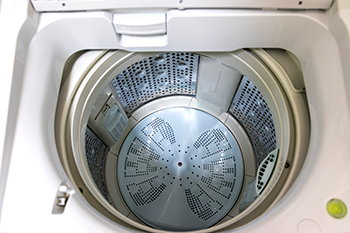
- Lid Not Closing: Check if your machine’s lid is closing properly. If a piece of clothing blocks the lid or it has become misaligned, it could keep your machine from beginning a cycle as normal. There should be a prong that depresses your dryer lid button when the cycle starts. This contact lets your machine know the lid is closed and it’s safe to run the cycle. You can check this by manually pressing the lid button while a cycle is running. If the cycle runs while you are holding down the switch, you can bend the prong on the lid to ensure it hits the button when closed. You can also order a replacement for this part from the manufacturer if necessary.
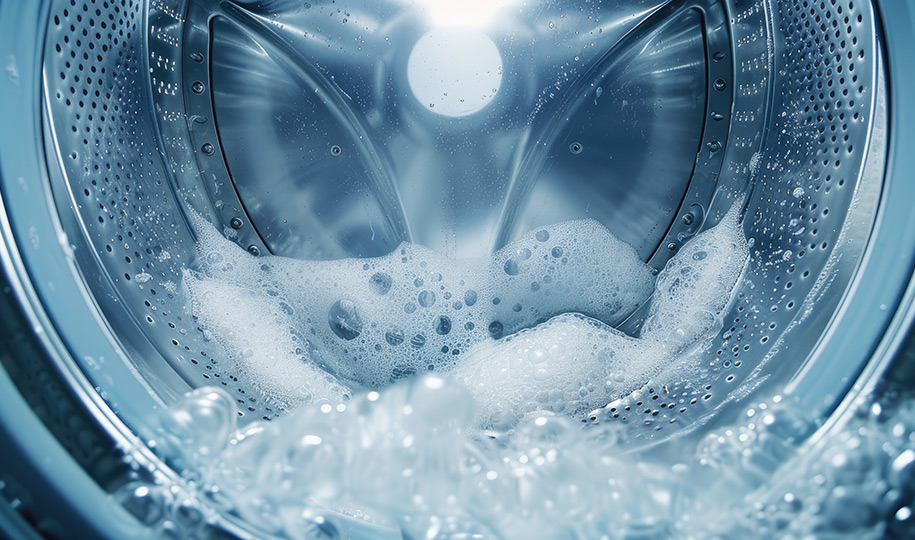
- Detergent Mistakes: High-efficiency (HE) washers (and some other models) require special HE detergent that doesn’t foam. If your machine is filling up with suds, run a load of laundry with the correct detergent to see if it solves the problem.
- Broken Parts: Drive belts, drain pumps, and motor parts can wear out or break, stopping your unit from functioning properly. If none of the above issues seem like the problem with your unit, it may be time to call the professionals. If you have a First American home warranty with washer/dryer coverage, you can contact us to request service and we can arrange for one of our prescreened technicians to schedule an appointment with you to diagnose and help solve the problem.
Shaking
If your washing machine shakes, you know how disruptive it can be. The noise—and potential damage—caused by a shaking washer is enough to interrupt any task. Prevent your washing machine from shaking by making sure loads are balanced, adjusting the feet of the machine if it’s not level, and not overloading your unit.
Quick tip: If you notice shaking when your stacked washer and dryer are in use, it’s a good idea to double-check your stacking kit (the hardware used to stack these appliances) to make sure your appliances are secure—this can help avoid costs to repair washer and dryer sets.
Leaking
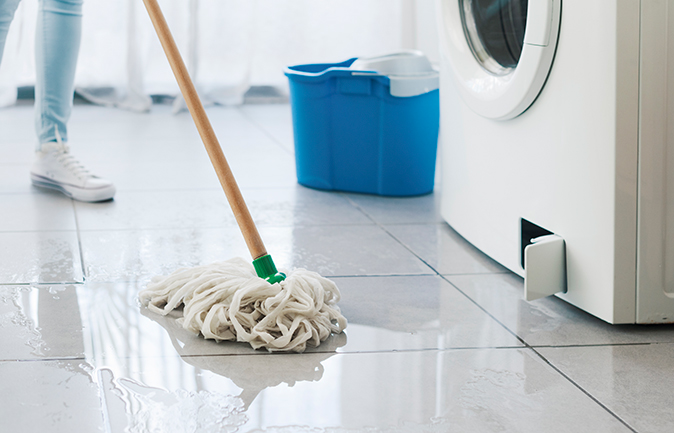
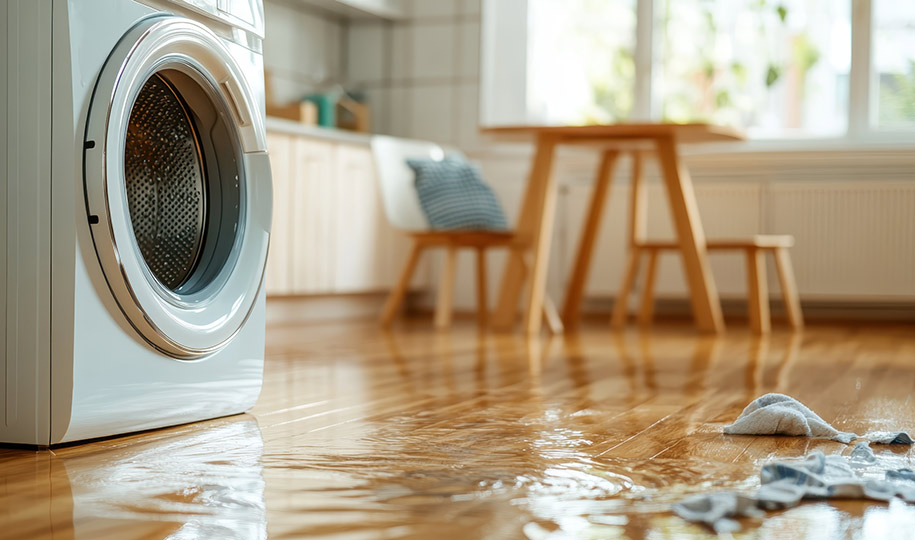
If your washing machine is leaking, shut off the valve that supplies water to the machine and unplug the unit before attempting to diagnose or fix the problem. If the steps required to fix it include changing water hoses, turn off the water and power before starting. Once your unit is turned off, check for bent, clogged, or broken hoses. If your washer hoses are bent or clogged, you can straighten them or clean them out by soaking them in warm, soapy water and then rinsing them. If they’re broken, you can replace them yourself using our guide to washer and dryer maintenance, or call a repair person to handle the issue. You should also check these hoses’ connection points and gaskets for leaks.
Otherwise, make sure all the doors and drawers for detergent and add-ins are properly closed and your machine isn’t overloaded. If these steps don’t solve your washer leaking, you may need to call the experts.
Not Turning On
Broken parts, outlets, or electrical issues could be at fault if your washer isn’t turning on. Check the lid/door switch as mentioned above (see: Not Spinning), and make sure your unit is level. If these steps don’t result in the power returning to your appliance, call a professional. With a First American home warranty, you can simply contact us for service and a prescreened repair person will arrange a time with to visit and diagnose the problem at your home and repair or replace covered items.
Common Dryer Problems and Fixes
A dryer not working can leave you high and dry when the clothes you want to wear are wet. While a clothesline or a drying rack can be a good temporary alternative, they’re no replacement for the convenience of your laundry appliances—when they work. Here are some of the most common problems you may encounter with your dryer and how you may be able to fix them. (But don’t worry, if you’re not a DIY type, a home warranty with dryer coverage can protect your budget and home appliances when they break.)
Not Spinning
When your dryer stops spinning, it could put you in a tailspin—especially if you just washed a load of laundry. It can cost hundreds to get a large appliance repaired, but you can learn how to fix your dryer when it stops spinning, or if you have a home warranty with dryer coverage, contact First American for an appointment to have a prescreened technician diagnose and solve the problem.
Not Heating Up
Dryers use heat to do their jobs and get your clothes all warm and fluffy. If your dryer stops heating up, it could be due to a tripped breaker, a broken heating element or fuse, an inappropriately sized load of laundry, too much moisture, or other factors.
If you want to try fixing the issues yourself, there are a few steps you can try:
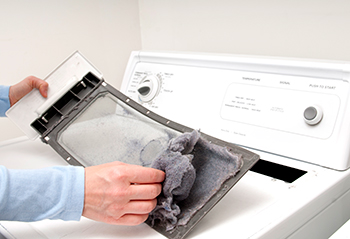 Clear out the Lint Trap: While dirty lint filters don’t typically cause issues with heating, they can reduce airflow and create irregular temperatures when they’re very clogged with lint or debris.
- Inspect the Dryer Vent: If your vent is blocked or damaged, it could lead to a buildup of steam in your unit, making your clothes take longer to dry.
- Check the Power Source to Your Unit: For an electric dryer, ensure the circuit hasn’t been tripped and try unplugging your unit and plugging it back in. If you aren’t sure if the outlet is working, try plugging in another item to see if the outlet works. For gas dryers, ensure the gas valve is open. If you aren’t sure how to do this, call your gas service provider.
- Manage Load Size and Moisture: Ensure you only fill your dryer up to 75% full. Also, make sure your clothes have been through your washer’s spin cycle. If your clothes are too wet, they can create excess moisture that keeps them from drying fully.
If these DIY steps don’t solve your problem, you may be dealing with a blown fuse or broken heating element, and it’s time to call in the professionals.
Getting Too Hot
An overheating dryer is more than inconvenient—it can pose a major safety or fire risk to your household. You can check for an obstruction in your dryer vents, but if you don’t see an obvious obstruction, it’s best to call in a repair pro with the training and experience to handle the issues safely.
Not Turning On
A faulty outlet, flipped breaker, or electrical problem could be the issue if your dryer isn’t powering on at all. Issues with smaller parts could also be causing this, such as a door switch, thermostat, or fuse. If flipping the breaker or resetting the outlet doesn’t solve the problem, the safest solution is to call a repair person to replace any broken components.
The good news? If you have a home warranty with dryer coverage, you could save on the repair bill. Check out our Clothes Dryer Home Warranty Coverage.
Slow Drying
Clean your dryer’s filter and check for any blockages in the dryer vents. Any buildup in these areas can keep steam from escaping the dryer, causing your clothes to stay wet. If these quick fixes don’t solve the problem, you may need to call a professional to complete a more thorough inspection of your machine.
Washer and Dryer Repair: DIY or Professional Repair?
You can try the above DIY fixes if you’re confident in your washer and dryer repair abilities. But if you have a home warranty, you may not need to. With a plan from First American that includes washer and dryer coverage you can call us when they, or any of your covered appliances break. We’ll send a prescreened professional to diagnose and help fix the problem, saving you hassle and money on washer and dryer repair costs. Get a free quote for your home warranty today.
The contents of this article are provided for general guidance only. First American Home Warranty does not assume any responsibility for losses or damages as a result of using this information.

Keep Reading



Home Care Buzz Experts
The First American Home Care Buzz team is made up of experienced home warranty writers and editors. Our team provides valuable insights and information to help homeowners like you meet the daily challenges of homeownership.
This article is about...