
Home Mold Guide: Tackle Mold in Your Home Today
JANUARY 30, 2024 | Home Care Buzz Experts | 6 minute read
While damp climates, leaking water, and constant air conditioning can be major contributors to the spread of mold, every living space is susceptible to it. Even worse, different types of mold can grow in different parts of your home.
Mold is a common household issue that most homeowners will have to deal with at some point. In this home mold guide, we’ll cover the different types of mold you’re likely to find in your home, what they look like, and where they commonly grow. We’ll also cover a few different methods for getting rid of them so that you can have a healthier home.
What Causes Mold?
If you discover mold on walls, ceilings, carpet, or anywhere but food in your home, that means tiny spores undetectable to the human eye entered through a door, window, air vent, or your HVAC system. When mold spores find moisture or dampness in your home, they grow and spread rapidly, especially in dark or warm areas.
Different types of mold thrive on different surfaces, but most of them like to grow in paper products, wood, wallpaper, carpet, and drywall — basically, all the materials used to build residences.
That’s why inquiring about mold infestations is one of the most crucial home inspector questions potential buyers have when purchasing a new home.
Types of Mold in Homes
When identifying different types of mold, remember that the varieties listed below grow into surfaces. If you see something that looks like mold but it’s chalky and growing raised on household surfaces, it’s likely mildew. For more information, check out our guide on mildew vs. mold.
Keep in mind that the Environmental Protection Agency (EPA) recommends that any mold in houses covering more than ten square feet should be eliminated by a professional mold removal specialist.
It can be tough to know how to detect mold in your house that has spread inside walls, ceilings, and floors. In these instances, it may be easier to call a mold removal specialist. For more information on how to remove smaller patches of mold, check out our guide on how to remove bathroom mold.
Aspergillus
How to Identify Mold: Aspergillus is one of the most common household molds and one of the hardest to identify. There are currently over 800 different types of mold species labeled Aspergillus. They come in a huge range of colors, so mold testing is usually the only way to identify which kind you have. This mold can even be found in mildew patches.
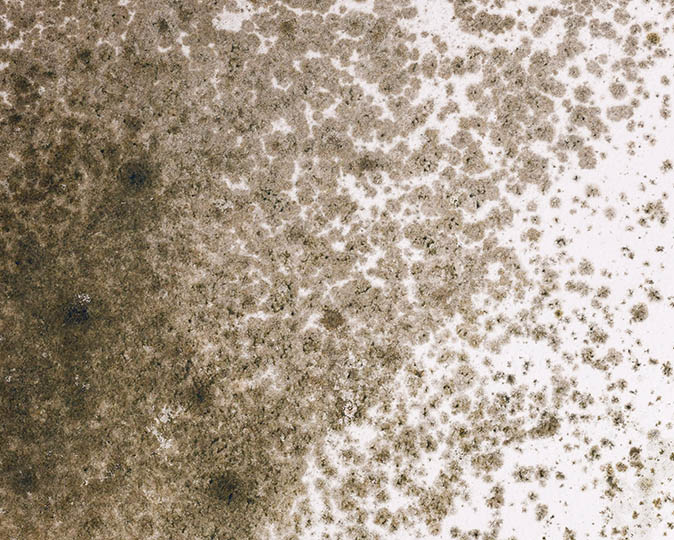
Where It’s Found: Aspergillus can be found in bathroom walls, window panes, and even in your pillows.
Health Effects: Different types of this mold can cause health issues known as Aspergillosis, ranging from mild to severe, while others cause no issues at all. In fact, many people breathe in Aspergillus every day without noticing it. Mild symptoms include allergic reactions and sinus infections, while severe symptoms can include necrotizing pneumonia and reactions resulting from aflatoxin exposure. Severe symptoms from this common mold in homes are typically only seen in people with compromised immune systems and children.
DIY Removal: You can kill many types of Aspergilli with a commercial fungus killer found at hardware stores or with a 1 to 50 ratio of bleach to water. When using these cleaners on mold-riddled surfaces, make sure to wear gloves and protective goggles and follow any safety instructions on the bottles. After killing this type of mold, it’s a good idea to use an air purifier to remove any spores lingering in the air.
Alternaria alternata
How to Identify Mold: This mold can appear dark green, brown, or a combination of both colors. It has a soft, velveteen texture.
Where It’s Found: It’s a common outdoor mold that thrives in warm, dry environments but can invade your home and grow in humidity. You’ll typically find Alternaria growing in bathroom vanities below sinks, at the exterior bases of bathtubs and showers, or in HVAC components.
Health Effects: Health effects caused by Alternaria are relatively mild, causing or worsening respiratory issues and allergies. In extreme cases, this mold can cause fatal asthma or toxic reactions.
DIY Removal: Since Alternaria is common on outdoor plants and in gardens, begin by closing all the doors and windows in your home. Dry the affected area, then vigorously scrub a solution of one cup of borax, one cup of vinegar, and one gallon of water into the moldy area.
Aureobasidium pullulans
How to Identify Mold: This variety appears gray or pink mold when first forming, but it eventually becomes dark brown or black if left untreated.
Where It’s Found: Whether you have wood, wallpaper, or painted drywall walls, this mold will thrive in any of them. You’ll likely find this mold on walls and ceilings, but when it begins growing in air conditioners or humidifiers, there can be dangerous consequences.
Health Effects: Touching or breathing Aureobasidium pullulans can cause minor allergy symptoms like irritation of the eyes or nasal passages, a running nose, nausea, and rashes. When it develops in air conditioners or humidifiers, this mold’s rapid spread through the air in your home can cause a condition called “humidifier lung.” It can also take root and grow in your hair and under your nails.
DIY Removal: Because this type of house mold can cause more serious health effects when it grows indoors, it’s recommended to call in a mold removal specialist to take care of it. If you find it in your home, you may also want to call an HVAC technician to inspect your air conditioner and ductwork to make sure it’s not hiding in these tight spots.
Chaetomium
How to Identify Mold: There are nearly 100 species of Chaetomium, but the varieties you’ll find in your home will at first look white with long “hairs” and then eventually turn gray or dark green.
Where It’s Found: This mold variety is typically caused by leaking pipes under the floor or behind the walls and will spread throughout these areas of your bathroom.
Health Effects: Chaetomium can cause allergic reactions and, in extreme cases, respiratory issues.
DIY Removal: This is another type of mold that you don’t want to remove yourself, but not because it’s dangerous. Since this mold can spread quickly inside walls and ceilings, it often needs to be removed by professionals who will replace drywall and fix any leaking pipes.
Stachybotrys
How to Identify Mold: Despite its popular nickname, black mold, Stachybotrys is actually black and greenish in color. While it may develop into a sheet-like appearance, you’ll likely notice telltale black dots in the blanket of mold that forms on surfaces.
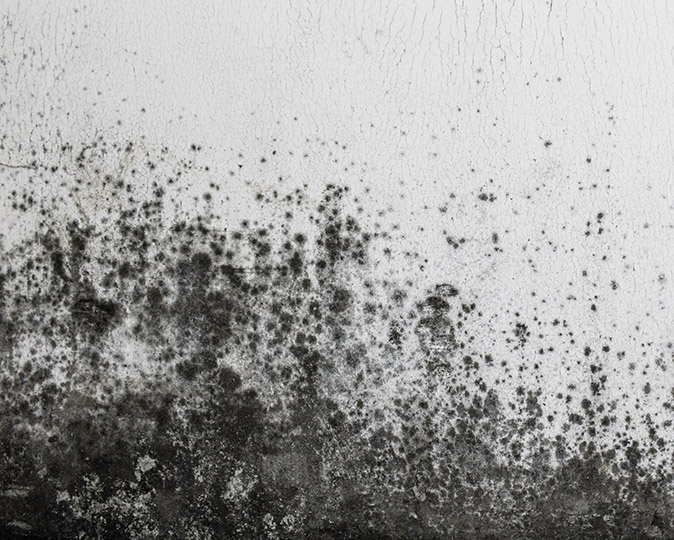
Where It’s Found: Black mold is one of the most notorious types of mold. It loves to grow in cellulose, which is used in drywall, fiberboard, gypsum board, and other household paper products. This means you’ll typically find this mold on walls in bathrooms, laundry rooms, basements, and other rooms with a lot of humidity.
Health Effects: It can cause severe symptoms of neurological damage and is especially dangerous to children and older people. It spreads quickly, which makes its damaging effects even more dangerous.
DIY Removal: Of all the types of house mold, this is one you don’t even want to be around, much less clean yourself. Stachybotrys always requires professional mold removal services to ensure that it doesn’t spread throughout your home and make you ill.
Preventing Mold in Houses
Learning how to find mold in houses can be difficult once it begins spreading, so prevention is always the easiest method for keeping your home mold-free. Regular home maintenance has many benefits, and regular professional plumbing inspections can help detect leaks early before they cause mold outbreaks.
Also, make visual inspections for mold in bathrooms, laundry rooms, basements, and around window frames part of your yearly homeowner checklist routine. You may have to be more vigilant and perform checks more frequently if you have an old home vs. a new home.
The contents of this article are provided for general guidance only. First American Home Warranty does not assume any responsibility for losses or damages as a result of using this information.
Please be aware that if you disassemble a covered system or item, it can invalidate your home warranty or manufacturer's warranty.

Keep Reading








Home Care Buzz Experts
The First American Home Care Buzz team is made up of experienced home warranty writers and editors. Our team provides valuable insights and information to help homeowners like you meet the daily challenges of homeownership.
This article is about...