5 Steps to Remove Bathroom Mold on Ceilings and Other Surfaces
NOVEMBER 27, 2023 | Home Care Buzz Experts | 7 minute read
Of all the places water is used in the average American home, the majority of it is used in bathrooms. And where there’s water, dampness, frequent darkness, and less-than-ideal ventilation, there can be mold. While mold on bathroom ceilings, walls, floors, and other surfaces is common, it can cause allergic reactions and respiratory issues, especially for at-risk people.
Knowing how to remove bathroom mold is essential for any homeowner. The causes and locations of mold can be very different and require different methods to eliminate. Let’s review the causes of mold, methods of prevention, DIY removal tips, and some of the best bathroom cleaners for mold.
Causes of Bathroom Mold
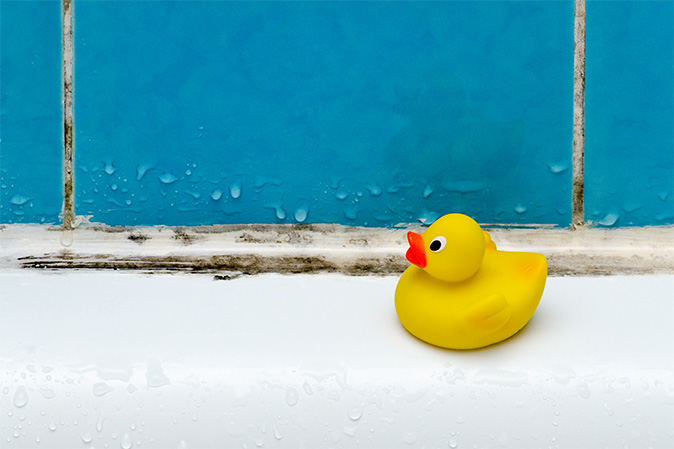
As mentioned, the main cause of mold in bathrooms is lingering water. Because so much water is used in these rooms, mold can form in several places.
Showers and Bathtubs
Most people love a relaxing shower or soak, and we assume that our showers and tubs are designed with bathroom mold prevention in mind. While this is partially true, water can remain in these areas and foster the growth of mold. For example, not closing a shower curtain all the way can allow water to splash and sit on your bathroom floor or let moisture sit in the folds of a closed curtain liner, which can both create mold.
Toilets
While it is possible to find mold in your toilet bowl, the more likely culprit of mold around your toilet is a leaking pipe, hose, or valve. Leaks in pipework under the floor may be impossible to notice until it’s too late. Even pooling water behind the toilet’s base can be hard to see unless you’re cleaning around the area.
Sinks
Like toilets, you’re less likely to see mold on the surface of sinks and will more often find problems lurking under the surface. If there’s a leak in the drainpipe (P-trap) or any of the surrounding pipes, water can drip and pool in the vanity. This dark, enclosed space is a perfect breeding ground for black mold in bathrooms as well as some other varieties.
Vent Fans
These fans can help with bathroom mold prevention by removing steam that otherwise ends up clinging to walls and ceilings. Regularly cleaning vent fan grates and blades and ensuring the fan motor is working at peak efficiency can help prevent moisture that causes mold.
Preparing for Bathroom Mold Removal
Taking steps to protect yourself before moving mold is crucial. Different strains of mold can cause health issues when you breathe their spores or come into physical contact with them.
Personal Protection
If mold has spread to an area larger than 10 square feet, you should call a mold removal specialist. However, even cleaning smaller amounts of mold requires personal protection equipment (PPE). Because mold is hard to identify on sight alone, and because some species are more harmful than others, it’s best to prevent yourself from breathing in or touching spores.
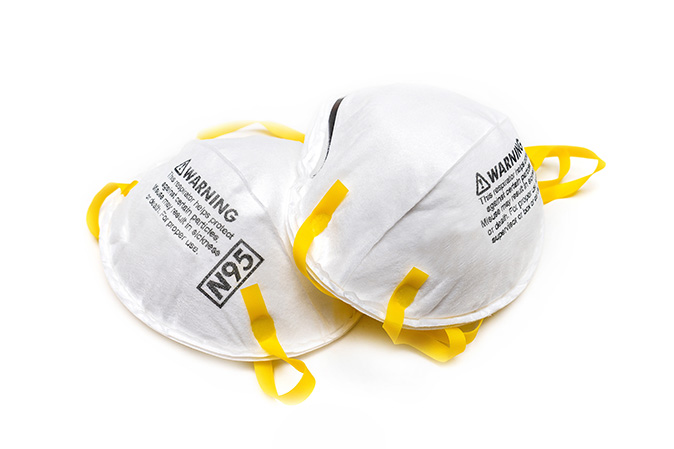
According to the Environmental Protection Agency (EPA), to clean mold from an area less than 10 square feet, you’ll need:
- Rubber or latex gloves
- Goggles
- N-95 respirator
If mold has spread beyond an area of 10 square feet, you’ll likely need to call a professional to ensure all of it is removed.
Traditional vs. Natural Mold Removal
How to remove bathroom mold often depends on the strain present. Some can be removed with mild cleaners, while others may require you to use special bleach-based solutions. Some species will even necessitate hiring a professional to remove entire sections of drywall or studs. Hopefully, you can identify the type of mold that’s present based on its appearance (and a handy Home Mold Guide), but this isn’t always practical. Many homeowners select a cleaner that fits their personal preference and then gradually try stronger cleansers if necessary. Keep in mind that homemade mold killers should be mixed as solutions with water, not used in their pure, concentrated forms. Whether you prefer natural cleaning options or more traditional methods, here are some of the best bathroom cleaners for mold.
Traditional Cleaners
- Borax
- Bleach
- Ammonia
- Pre-mixed store-bought cleaners
Natural Cleaners
- Tea tree oil
- Distilled white vinegar
- Baking soda
- Lemon juice
- Hydrogen peroxide
5 Steps for Removing Bathroom Mold
Now that you have gathered your protection equipment and chosen a cleaning solution, it’s time for bathroom mold removal. There is no catch-all method for how to remove bathroom mold, and the process can vary depending on the strain of mold and where it’s located. Some of these steps will need slight variations or to be repeated, but, at the very least, they make a great starting point for eliminating mold.
Step 1: Spray the Affected Area
No matter where mold has formed, your first step will be to spray the moldy area with your chosen cleaner. If this is your first removal attempt, allow the solution to set for about 10 minutes. If you reach the end of these instructions and the mold still isn’t gone, you may have to try again and let the cleaning solution soak in longer.
Step 2: Physically Remove the Mold
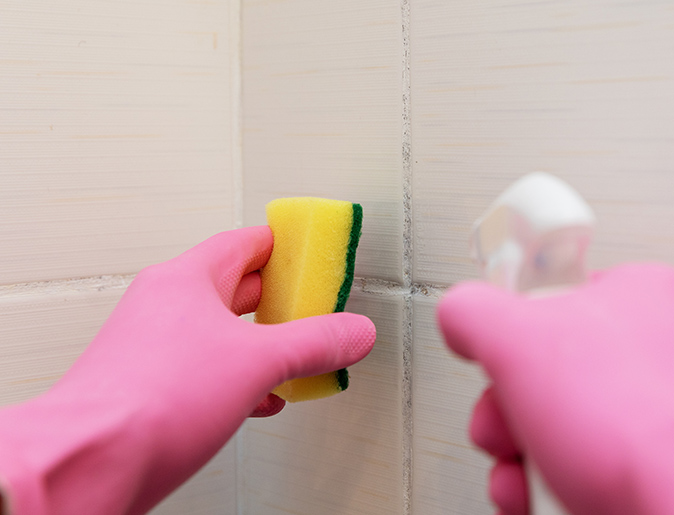
This step of bathroom mold removal can vary depending on where the mold is located. If mold is growing on non-porous surfaces like sinks, tubs, and tile, you can typically wipe the mold and cleaner away with a sponge.
Removing mold on bathroom ceilings and walls takes a little more elbow grease. You’ll typically need to scrub these surfaces using a gentle circular motion, then wipe with a cloth or dry sponge. Don’t rinse the cleaner or wipe it with a wet sponge, as more water can fuel further mold growth.
Getting rid of mold that’s set into grout and caulking can require the most scrubbing. They can require multiple solution applications and scrubbings to remove the mold fully. You may want to use a toothbrush to get into the nooks and crannies of these materials.
Step 3: Repeat if Necessary
If your first attempt at removing mold on bathroom walls and other surfaces hasn’t fully resolved the issue, try using stronger cleaners and letting them set for longer. Removing mold from grout and caulking may also require another more vigorous scrubbing the second time around.
Step 4: Dry the Affected Area
Because mold thrives on moisture, once you’ve removed the mold, dry the area completely. Wipe down cleaned surfaces thoroughly and keep your bathroom well-ventilated as they dry. You may want to take a hair dryer to the area to ensure that previously moldy areas are fully dry.
Step 5: Tidy Up
You can simply wipe down surfaces like sinks, tubs, shower basins, and toilet bowls after mold removal. However, both traditional and natural cleaners may discolor bathroom ceilings, walls, and under-sink areas. Once these areas are dry, you may want to apply mold-resistant paint for the bathroom to restore the look of the room and prevent further outbreaks. Because light-colored grout is prone to staining, you may also want to use a grout cleaner to restore its appearance.
How Can I Prevent Bathroom Mold Permanently?
There are several things homeowners can do for bathroom mold prevention, but they all boil down to the same goal: Keep your bathroom dry and well-ventilated. Keeping your bathroom dry includes keeping water where it’s supposed to be. Here are a few things you can do:
- Keep shower doors and curtains secure so that water doesn’t splash onto the floor or walls. If these surfaces do get wet, make sure you dry them with a towel as soon as you notice or as a part of your post-bathing routine.
- Use specialized caulk to prevent mold and to help protect surfaces if water accidentally leaks while you’re bathing.
- Regularly check for leaks around the bases of your shower and toilet, as well as under your bathroom sink. No one expects their fixtures to suddenly leak, and mold can form in even small pools of water.
Regularly cleaning your entire bathroom not only helps you detect mold early but can also give you more opportunities to check for leaks.
Proper bathroom ventilation is also key, as humid air contributes to mold growth. If you have a window in your bathroom, crack it open while bathing or open it wide after you’re done to allow as much moisture as possible to escape. If you don’t have a window, make sure your bathroom’s vent fan is working properly, and the grate or cover is kept clean and unobstructed.
There are other places prone to mold that can then spread to your bathroom through airborne spores. Your HVAC can develop mold if not maintained properly and then distribute spores through the ductwork and into other areas of the house. You should also maintain your washer and dryer to prevent mold growth.
FAQs About How to Remove Bathroom Mold
Is bathroom mold dangerous?
It can be, depending on the strain. Some types of mold don’t cause any reactions in humans. Others can cause allergic reactions like watery eyes, sneezing, and itchy skin. However, there are some mold spores that can attack the nervous system and, if left unremoved long enough, can cause death.
How do I remove mold from shower caulking?
Apply your chosen mold-cleaning solution to the caulking and let it set in. Caulking is more resilient and less porous than the drywall in your bathroom walls or ceiling, so feel free to let it sit as long as you like. Then, with a toothbrush, scrub the caulking vigorously until you see the mold disappear. It may take a few applications before this happens.
How do I remove mold from bathroom ceilings?
To kill mold on bathroom ceilings, spray the moldy area of your ceiling with your chosen cleaner and let the solution set for roughly 10 minutes. Then rub it with a clean, dry cloth in a circular motion until the mold is gone. Then make sure the area is completely dry.
What is the difference between mold and mildew?
Mildew is actually a type of mold, but unlike most mold species, mildew is chalky and grows out from a surface instead of into a surface. For more information on bathroom mold vs. mildew, visit our blog.
The contents of this article are provided for general guidance only. First American Home Warranty does not assume any responsibility for losses or damages as a result of using this information.
Please be aware that if you disassemble a covered system or item, it can invalidate your home warranty or manufacturer's warranty.

Keep Reading