
How to Fix Condensation in Refrigerators
DECEMBER 27, 2023 | Home Care Buzz Experts | 4 minute read
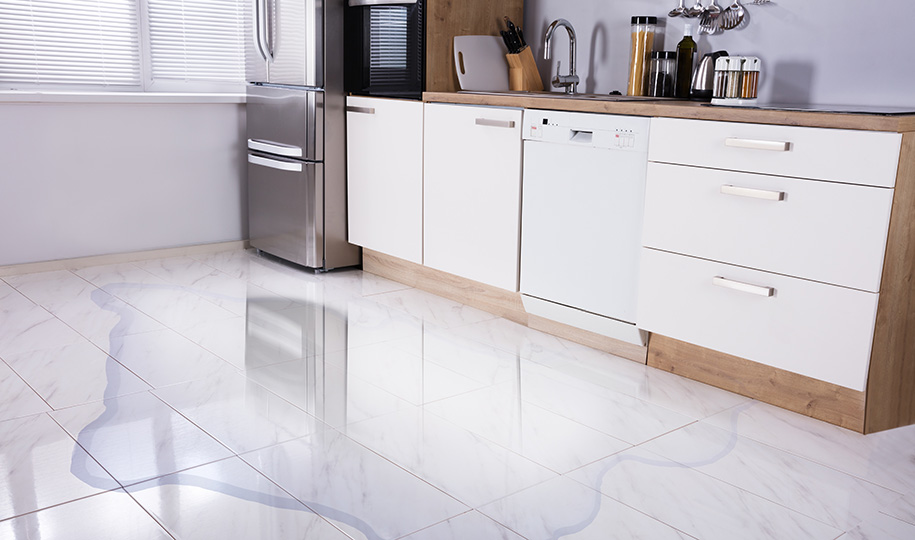
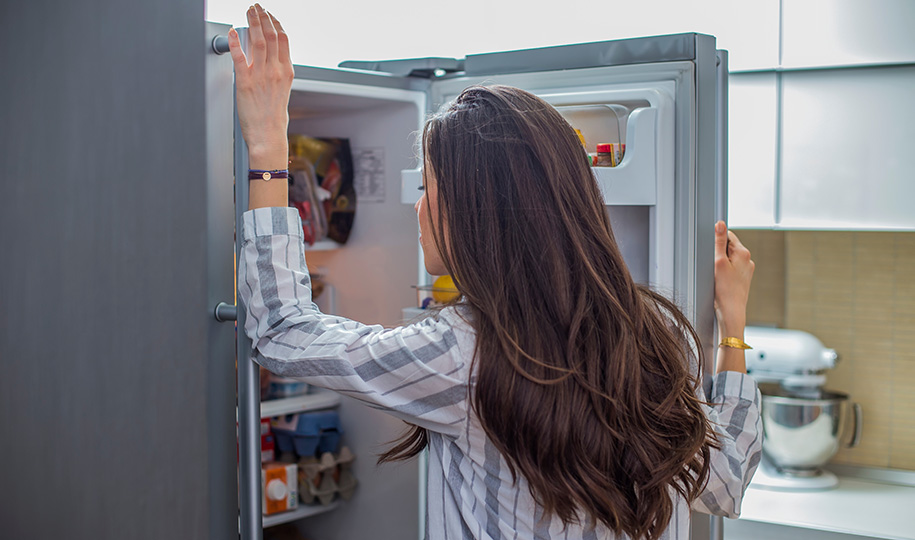
If you've opened your fridge to find unexpected droplets of water or even small puddles, you've faced condensation in your fridge. Why does this happen? Is it normal or a sign that your fridge needs attention? Let's dive into the causes, solutions, and preventative measures to keep your fridge in tip-top shape.
Condensation in the Fridge
Condensation inside a refrigerator occurs when warm, moist air meets the cooler surfaces, turning that moisture into water. This can end up as water in the bottom of the fridge, making you wonder, why is my fridge leaking water inside? Understanding the root causes helps you address and prevent this issue.
A minimal amount of condensation in refrigerators can be normal, especially during humid seasons. However, if you frequently notice water droplets and ice build-up or are tired of asking, “Why is the bottom of my fridge wet?”, it may be time to address an underlying issue.
What Causes Condensation in the Fridge?
Several factors can lead to condensation inside refrigerators:
- Frequent door openings: Each time you open the refrigerator door, warm, moist air from the room can enter, increasing refrigerator humidity.
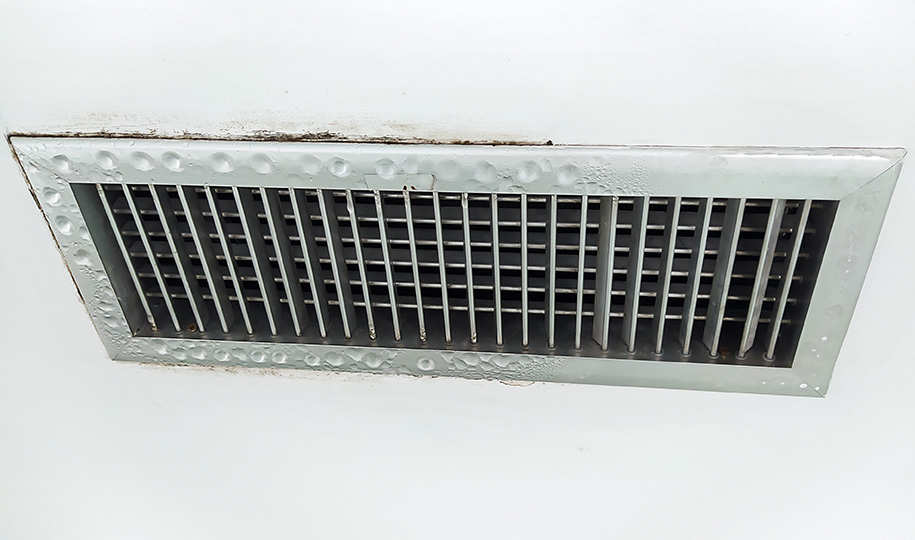
- Blocked vents: If the fridge vents are blocked, poor airflow can cause condensation.
- Defective door seals: If the seals are not tight, they can let in outside air, increasing moisture in the fridge.
- Incorrect refrigerator temperature: This plays a pivotal role in condensation. When you set the refrigerator temperature incorrectly, moisture can build.
- Wet contents: Placing hot or warm food directly in the fridge can increase humidity.

How to Stop Condensation in Refrigerators
Addressing the root cause is essential. Here’s how to fix condensation in the fridge:
- Check door seals: Ensure they are clean and functioning properly. Replace them if they are damaged.
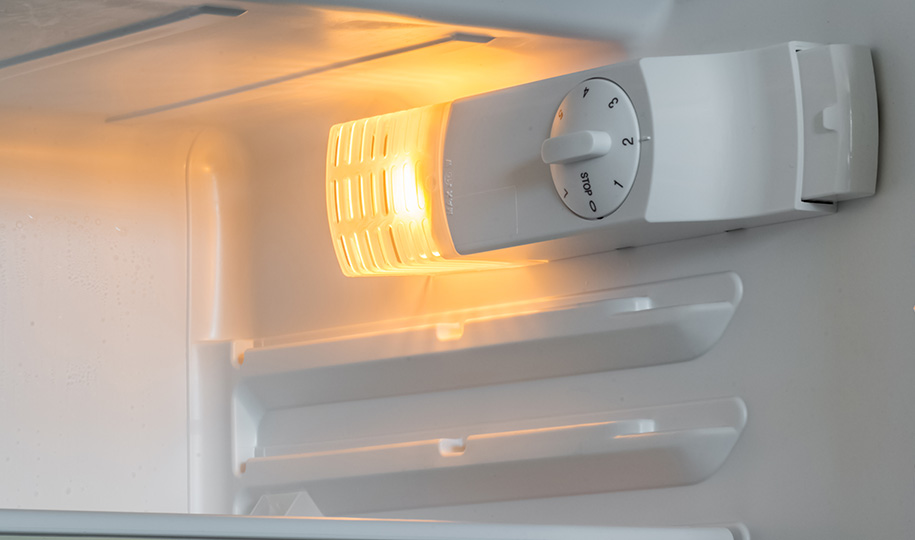
- Set the recommended temperature: To find the recommended temperature for your fridge, check the manufacturer's instructions or the data plate on the appliance. The recommended temperature range is usually between 37°F and 40°F (3°C and 4°C) for most refrigerators.
- Unclog vents: Ensure no food items, ice, and debris are blocking the vents. Your vents are usually located near the bottom or back of the fridge and are covered with a grille or mesh.
- Prepare items for the fridge: Make sure containers are dry and let hot foods cool before adding them to the fridge.

Ways to Prevent Condensation in the Fridge
Keep condensation inside the refrigerator at bay with these preventative tips:
- Perform routine maintenance: Learn how to clean fridge condenser coils and other general maintenance to ensure efficient operation.
- Keep the fridge door closed: Opening the door less often and checking that it’s closed properly can reduce moisture in your fridge.
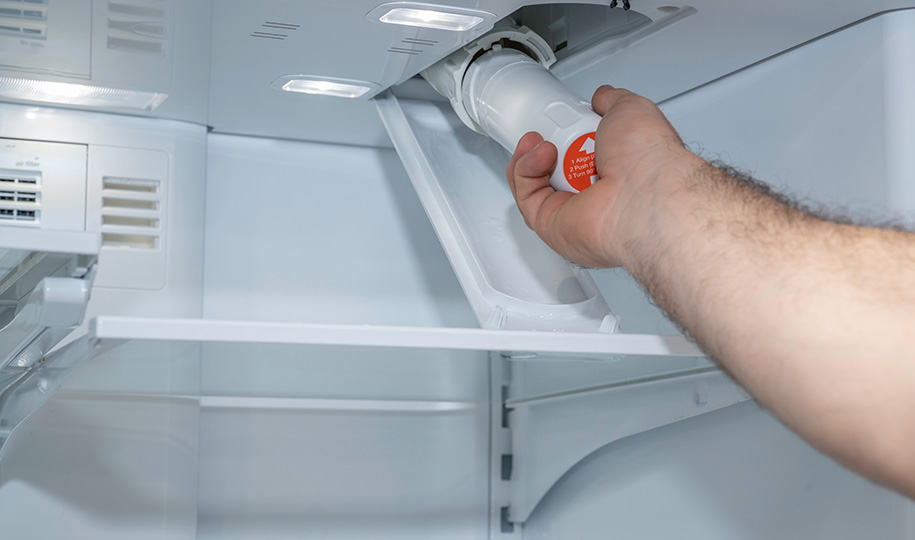
- Check the water dispenser: Ensure the clean fridge water dispenser is functioning correctly to avoid additional moisture.
- Practice proper storage: Use airtight containers to prevent excess moisture from seeping out.
- Maintain the freezer: Often, issues in the freezer can affect the fridge. Follow these tips to clean and maintain your freezer to prevent issues.
Connection Between Fridge Temperature and Condensation
The temperature inside a refrigerator can affect the amount of condensation on the walls and other surfaces. Generally, condensation can form if the fridge temperature is too high. Warmer temperatures cause the air inside the fridge to hold more moisture, which condenses on surfaces as water droplets. To minimize condensation in a fridge, keep the temperature at its recommended range, usually around 37-40°F (3-4°C).
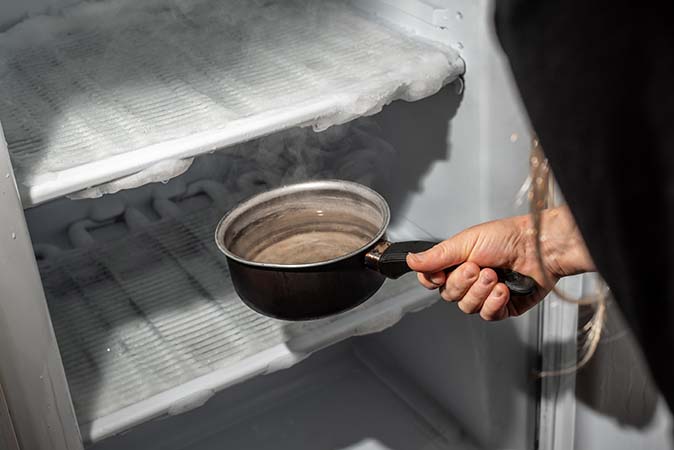
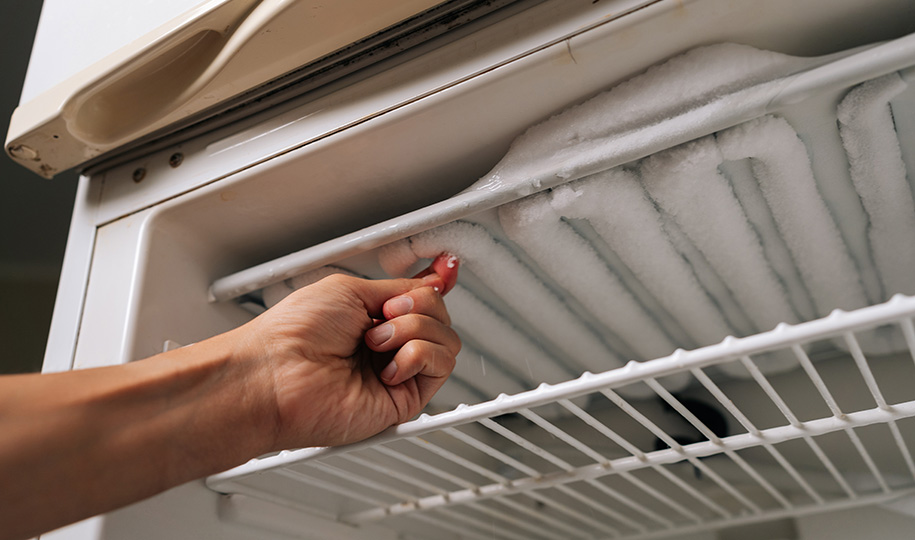
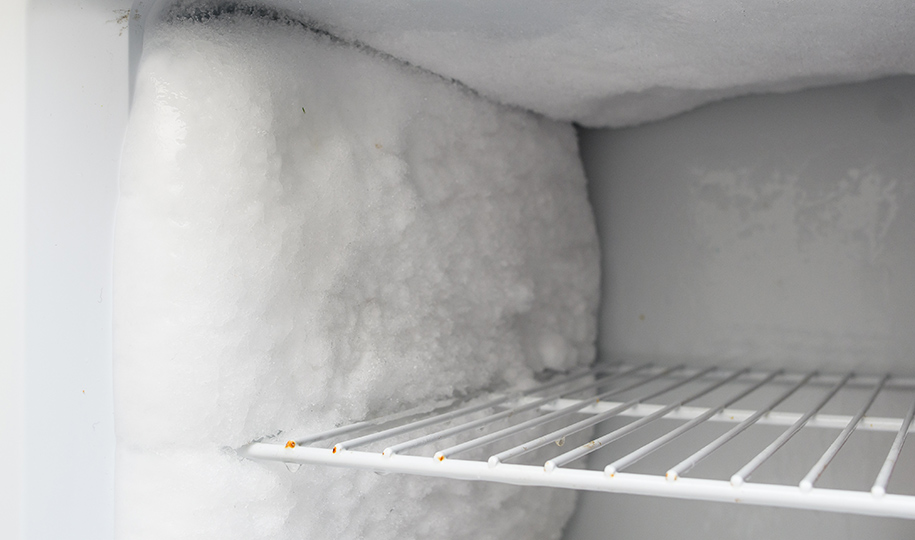
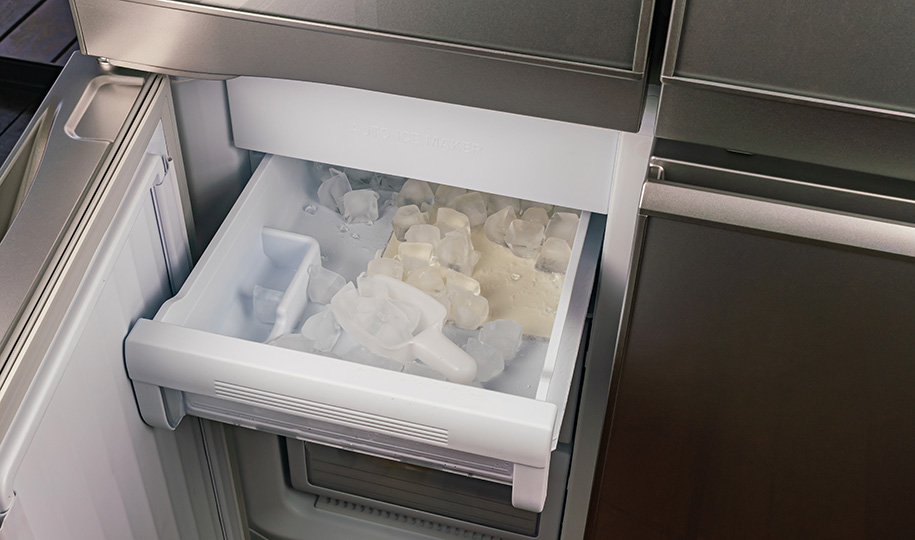
You might face ice build-up if the fridge temperature is set too low. This is from condensation in the fridge turning to ice on walls, shelves, and other surfaces. Various factors cause this, including a malfunctioning defrost timer, a dirty condenser coil, or a clogged drain. If the temperature is set correctly, check for blockages in the drain.
Troubleshooting Tips for Fixing Condensation in Your Fridge
Why is there ice build-up in my fridge?
An excellent question! Ice build-up in your fridge happens for several reasons, including inadequate defrosting, high humidity, or a malfunctioning defrost timer. To address this, try cleaning the drain and evaporator coils, checking the defrost timer, and checking that there is proper airflow within the fridge. Also, check that the temperature is set correctly.
Why is my fridge wet inside at the top?
Moisture in a fridge collecting at the top is often the result of leaks from faulty door seals or a warm, damp environment. Check the door seals and gaskets for signs of wear or damage, and make sure the fridge is set to the correct temperature. If the issue persists, consider defrosting the fridge, checking for blockages in the drain, or keeping the room temperature cooler.
Why is the bottom of my fridge wet?
Warm air inside the fridge flows to the bottom and causes moisture to accumulate. If pooling water is in the bottom of your fridge or your fridge leaks water inside, a clogged defrost tube could be the culprit. The defrost tube channels water down to the drain pan, where the water eventually evaporates. When functioning properly, it ensures a seamless defrost cycle for your refrigerator.
However, when the tube is blocked by ice or debris, this can cause water to accumulate and seep back into the fridge. To fix this issue, prepare a bowl of hot water—hot but not boiling. Your goal is to clear debris or melt the ice obstructing the tube. Use a turkey baster or funnel to pour hot water into the tube until you see water flowing into the drain pan.
There you go! Your problem should be solved. If it persists, the defrost tube may need to be replaced, or another issue is at play.
Protecting Your Appliances
While understanding and addressing condensation in your refrigerator is important, protecting your fridge with a home warranty offers peace of mind when larger issues arise. With additional refrigeration coverage, you can rest easy knowing unexpected refrigeration problems can be covered without hassle. While a well-maintained fridge prevents condensation and extends the life of your appliance, a home warranty protects you from unexpected breakdowns. Get a free quote today.
The contents of this article are provided for general guidance only. First American Home Warranty does not assume any responsibility for losses or damages as a result of using this information.
Please be aware that if you disassemble a covered system or item, it can invalidate your home warranty or manufacturer's warranty.


Keep Reading

Home Care Buzz Experts
The First American Home Care Buzz team is made up of experienced home warranty writers and editors. Our team provides valuable insights and information to help homeowners like you meet the daily challenges of homeownership.
This article is about...