
Replacing a Light Bulb in Your Fridge: A Guide
JULY 24, 2025 | Home Care Buzz Experts | 4 minute read
When the light in your refrigerator goes out, it can be harder to find what you need, especially late at night. Luckily, replacing the light bulb in your fridge is a simple fix you can usually do yourself.
Below, we’ll walk through what kind of bulb your fridge needs, the different types of refrigerator light bulbs, and the exact steps to swap out the old one.
Refrigerator Light Bulbs, Explained
Refrigerators use special light bulbs designed for appliances. These bulbs can handle the cold temperatures and moisture inside your fridge. Here’s what you need to know before buying a replacement:
- Wattage: Most fridges use 15- to 40-watt bulbs. Check your refrigerator's manual or look at the current bulb in your fridge for the right wattage.
- Base type: The most common base is the E26 medium-screw base, but smaller fridges may use an E17 base.
- Bulb shape: Many use an A15 appliance bulb, which is smaller than a regular household bulb.
- Special feature: Look for bulbs labeled "appliance" or "refrigerator safe." These are made to handle temperature changes, moisture, and vibration.
Pro tip: Never use a regular household light bulb. It can overheat, burn out quickly, or even damage the light socket in your refrigerator.
How Long Do Fridge Light Bulbs Last?
A refrigerator light bulb can last anywhere from two to five years, depending on how often the door is opened, whether it’s LED or incandescent, and the impacts of moisture and vibration. If the light flickers, dims, or doesn’t turn on, it’s probably time to replace it.
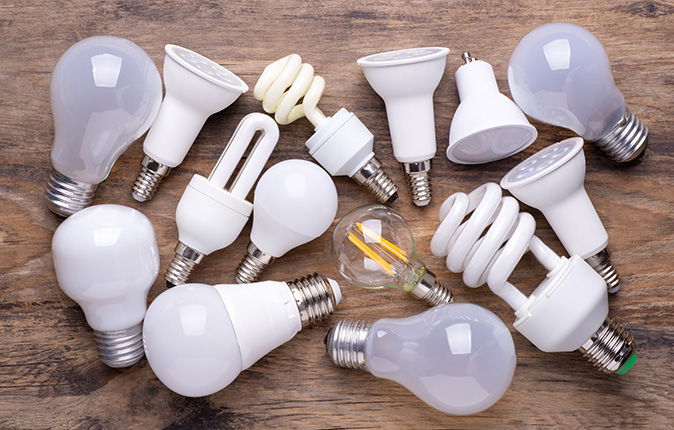
Types of Fridge Light Bulbs
There are a few different types of light bulbs you might find in refrigerators. Each one works a little differently:
- Incandescent bulbs: These are the classic light bulb type. They’re inexpensive but burn out faster than other types.
- LED bulbs: The most popular option in newer refrigerator models, LEDs are energy-efficient, bright, and last a long time — often several years.
- Compact fluorescent lamps (CFLs): These bulbs use less energy than incandescent bulbs but take a few seconds to reach full brightness. They are less common in newer refrigerators.
- Halogen bulbs: A type of incandescent that’s brighter than the classic, but prone to overheating, making it a less safe option. Halogens are also not as energy efficient as LEDs, and don’t last as long.
When replacing a light bulb in your fridge, try to match it with the type of bulb your fridge was designed for. If you want to switch to LED, check your manual or look for an LED bulb labeled “appliance-safe.” Switching to LED also can be a safer long-term option to use in a fridge than halogen.
How to Replace the Light Bulb in Your Fridge
Replacing the light bulb in your fridge is usually a quick and simple fix. Follow these steps to get the light in place safely:
Step 1: Unplug the Fridge
Always unplug your fridge before working on it, especially electrical work. This keeps you safe from electrical shock and protects your appliance from potential damage. If your fridge is hard to move, flip the switch on the circuit breaker instead.
Step 2: Find the Bulb
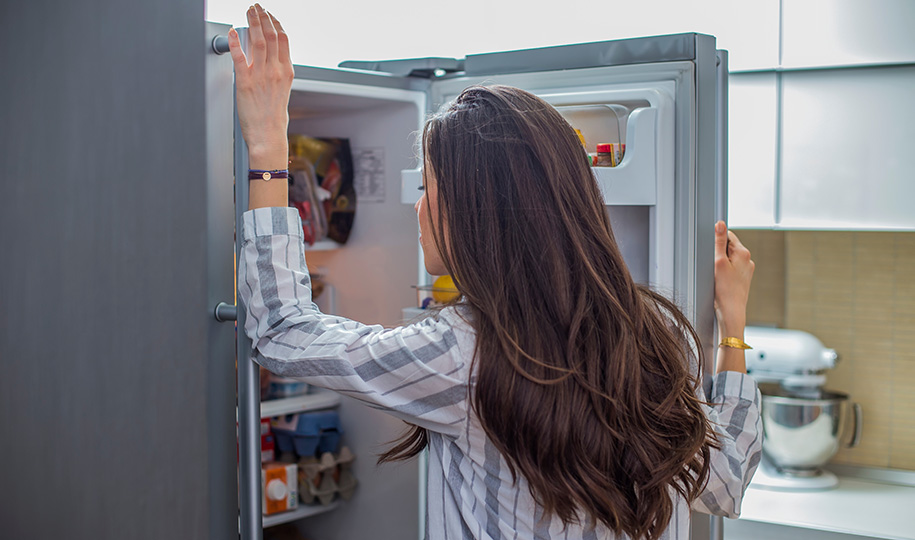
Open the fridge door and locate the light bulb. It’s usually near the top or side, under a small plastic or glass cover. If you're unsure where it is, check your user manual or search your fridge model online.
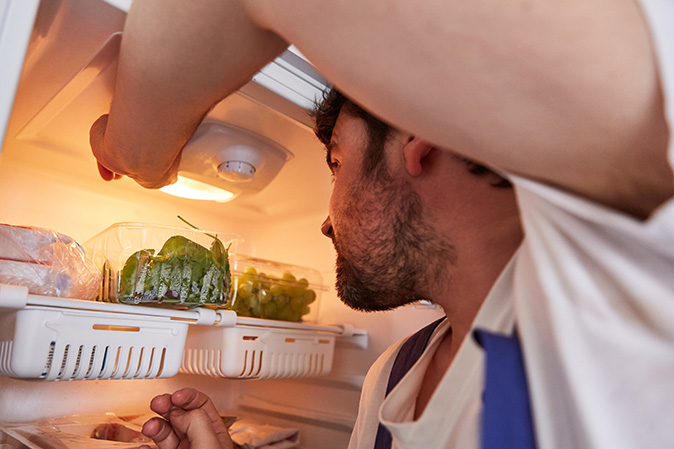
Step 3: Remove the Cover
Some light bulbs have a protective outer cover that snaps or screws into place. Use gentle pressure to pop it off or twist it loose. Set the cover aside in a safe spot so it doesn’t get damaged.
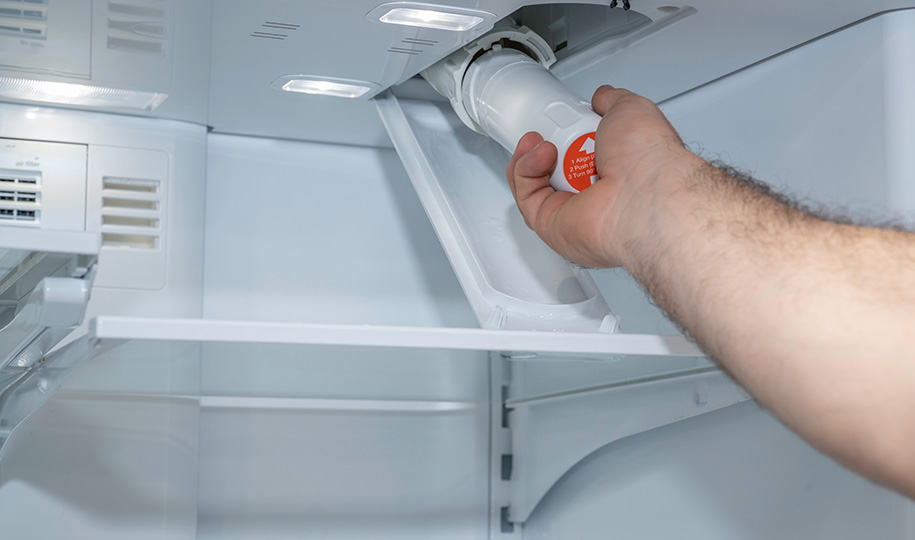
Step 4: Take Out the Old Light Bulb
Turn the old bulb counterclockwise to unscrew it (lefty loosey, righty tighty). If it’s tight or slippery, use a dry cloth or rubber jar opener for a better grip. Be careful not to squeeze or twist too hard; otherwise, you could break the bulb.
Step 5: Install the New Bulb
Make sure you’re using the correct wattage and bulb type for your fridge. Check the packaging to be sure it’s “appliance-rated.” Line up the new bulb with the socket and turn it clockwise until it’s snug. Don’t overtighten it; the bulb just needs to be secure.
Step 6: Plug the Fridge Back In
Plug the fridge back into the wall or flip the breaker switch back on. Open the door and check to see if the new bulb lights up. If it doesn’t, double-check that the bulb is screwed in correctly. If it still doesn’t work, it may not be aligned in the socket correctly, so unplug the fridge and repeat Step 5. If the light still does not work, the socket or switch may need repair.
Replacing the light bulb in your fridge is a small but important part of regular refrigerator maintenance. Keeping up with simple tasks like this is important for your appliance and helps you see better when you open the fridge door.
Take the Next Step in Kitchen Appliance Repairs
A working light bulb in your fridge may seem minor, but it makes a big difference in your day-to-day routine. And when something bigger breaks — like your fridge or freezer — a home warranty can help take care of it.
Get a free home warranty quote today and see how much peace of mind you can get for your kitchen appliances and more.
The contents of this article are provided for general guidance only. First American Home Warranty does not assume any responsibility for losses or damages as a result of using this information.
Please be aware that if you disassemble a covered system or item, it can invalidate your home warranty or manufacturer's warranty.



Keep Reading

Home Care Buzz Experts
The First American Home Care Buzz team is made up of experienced home warranty writers and editors. Our team provides valuable insights and information to help homeowners like you meet the daily challenges of homeownership.
This article is about...