
Prevent Water Damage With a Washer Drain Pan
SEPTEMBER 18, 2025 | Home Care Buzz Experts | 4 minute read
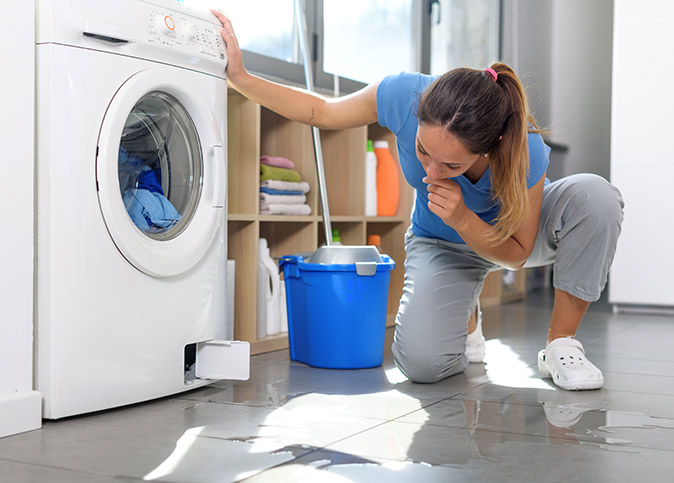
Even a small leak from your washing machine can damage your flooring and baseboards. If your washer is on a second floor, leaking water can cause even more damage if it seeps through to the first-floor ceiling. A washer drain pan can help prevent problems by catching water before it spreads. Whether your laundry area is upstairs, downstairs, in a finished space, or even in a basement, adding a pan under your washer is a smart way to protect your home.
What Is a Washer Drain Pan?
A washer drain pan, also called a washing machine tray or a washer drip pan, is a shallow, waterproof pan that sits underneath your washer. It’s designed to catch small leaks or drips and funnel water to a nearby floor drain.
Most pans are plastic or metal and come with a built-in drain hole. When connected to a hose or pipe, the pan moves the water safely away from your washer and flooring. Even if you don’t have a floor drain, a washer drain pan is still helpful to catch any drips or small water leaks.
Washer drain pans come in different sizes and shapes to accommodate various washing machine models. Choosing the right size ensures that the entire base of your washer is protected.
Do You Need a Washer Drain Pan?
Not every laundry setup includes a washer drain pan, but it’s a smart upgrade in many homes. You may want to consider one if:
- Your washer is located inside your home
- Your laundry room is located upstairs
- There’s no floor drain beneath your washer
- You’ve noticed moisture, rust, or mold under the appliance
- You’ve had to clean up leaks around your machine
- You’re installing a new washer in a finished space
Some cities and counties require a washer drain pan installation in certain situations, like second-floor laundry rooms or new homes. If you’re unsure, check with a plumber or local code official.
A washer drain pan can’t stop a leak from happening, but it can help catch the water when a leak occurs and can reduce potential damage to your floors.
How to Install a Drain Pan for Washing Machine Use
If you're comfortable moving your washer, you may be able to install a washer drain pan yourself. Here's how to install a drain pan in a few simple steps:
Step 1: Turn Off the Water and Unplug the Machine
Before moving your washer, turn off the water and unplug the machine from the wall. Then detach the water supply hoses and the drain hose.
Step 2: Move the Washer Out
Use a dolly or ask for help to carefully slide the washer out. Washing machines are heavy, so take your time.
Step 3: Position the Drain Pan
Place the washer drain pan in the desired spot. Make sure it’s centered where the washer will sit, and that the drain hole faces the floor drain or hose route.
Step 4: Connect the Drain Fitting
Insert the threaded drain fitting through the hole in the pan. Tighten the washer and nut from underneath. Attach a drain hose or pipe and guide it to your floor drain. Use plumber’s tape or sealant to secure it in place, if needed.
Step 5: Reposition the Washer
Carefully lift or slide the washer onto the drain pan. Make sure it’s level and that all four feet are inside the tray. Reattach the water hoses and plug your washer back in.
Step 6: Test the Setup
Turn the water back on and run a short wash cycle. Pour a little water into the pan to make sure it drains properly.
Washer Drain Pan Installation Tips
The following tips can help your setup last longer and perform better:
- Measure your washer before buying a pan. Some high-efficiency machines have unique base dimensions or vibration control features that require a specific pan size.
- Level the washer after installing the pan to prevent vibration.
- If you don’t have a floor drain, you can still install a washer pan to contain drips and keep small leaks off your floor.
- Consider installing a water sensor or leak detector for added peace of mind.
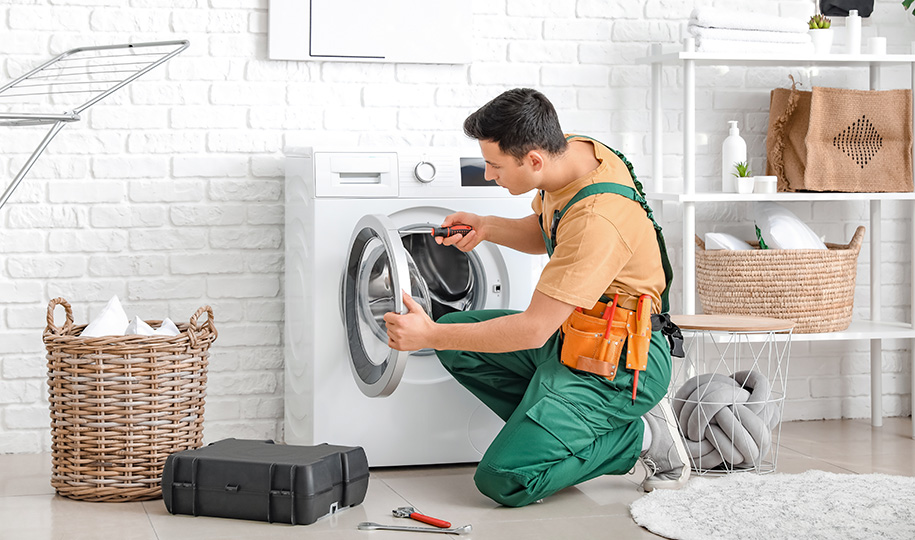
Washer drain pan installation is usually straightforward, but if you’re unsure or need a custom setup, a professional can help ensure that everything is installed correctly.
Does a Home Warranty Help With Leaks?
Even with a washer drain pan, leaks can still happen if a hose bursts or a pump fails. A home warranty from First American can help take care of washing machine repairs or replacements due to normal wear and tear. Plumbing stoppages and leaks are also covered in all our home warranty plans.
It's easy to explore home warranty plan options and get a custom quote for your home.
Staying Ahead of Leaks With a Simple Upgrade
A washer drain pan is a simple, affordable way to help protect your home from water damage. Whether you're installing a new machine or looking to prevent problems, installing a washer drain pan is a smart move.
For added peace of mind, a First American home warranty can help take care of covered repairs or even a replacement when your washer breaks down from normal use. Get a free quote today and see how a plan can help protect your home’s major appliances and systems.
The contents of this article are provided for general guidance only. First American Home Warranty does not assume any responsibility for losses or damages as a result of using this information.
Please be aware that if you disassemble a covered system or item, it can invalidate your home warranty or manufacturer's warranty.



Keep Reading




Home Care Buzz Experts
The First American Home Care Buzz team is made up of experienced home warranty writers and editors. Our team provides valuable insights and information to help homeowners like you meet the daily challenges of homeownership.
This article is about...