
Your Washer Is Leaking Inside the Drum When Not in Use: Causes and Fixes
DECEMBER 03, 2025 | Home Care Buzz Experts | 5 minute read
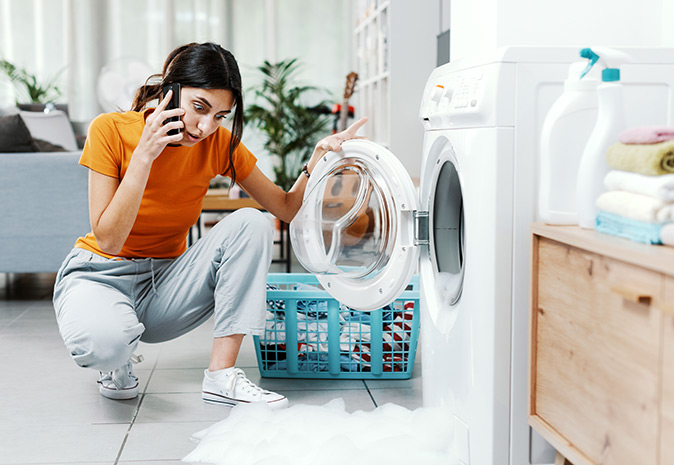
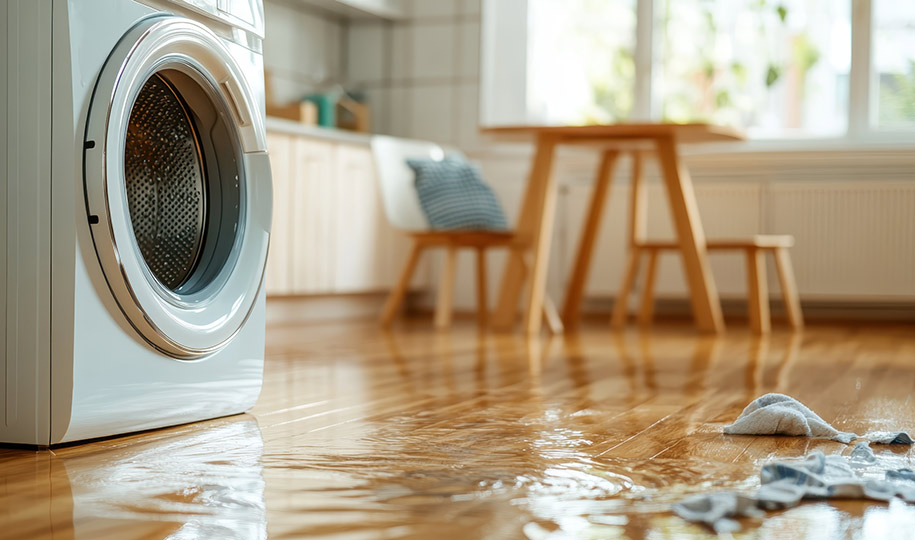
Finding water inside your washing machine drum when you haven’t run a load can be frustrating and confusing. This type of leak isn’t as apparent as water pooling on the floor, but it can still lead to musty odors, mold growth, and potential damage over time.
If your washer is leaking inside the drum when not in use, it usually means water is slowly seeping into the drum between wash cycles. Understanding the causes can help you fix the problem with your washer before it worsens.
Different Kinds of Washer Leaks
It’s important to determine whether your washer leak occurs during a wash cycle or when the machine is idle. Use the clues below to help you find the cause of your washer leak:
- Leaks during use often result from issues like a damaged door seal, loose or cracked drain hoses, or a faulty drain pump. These usually cause water to appear on the floor mid-cycle.
- Leaks occur when the washer is not in use, as water slowly drips into the drum between cycles. This typically points to a worn inlet valve, a faulty water pressure switch, plumbing backflow, or high water pressure forcing water past its seals.
By identifying when the leak occurs, you can narrow down the possible causes and avoid replacing parts that aren’t faulty.
Why a Washing Machine Dripping Inside Is a Problem
When your washing machine is dripping inside, the leak is often slow but persistent. Even a small amount of standing water in the drum can create problems, such as:
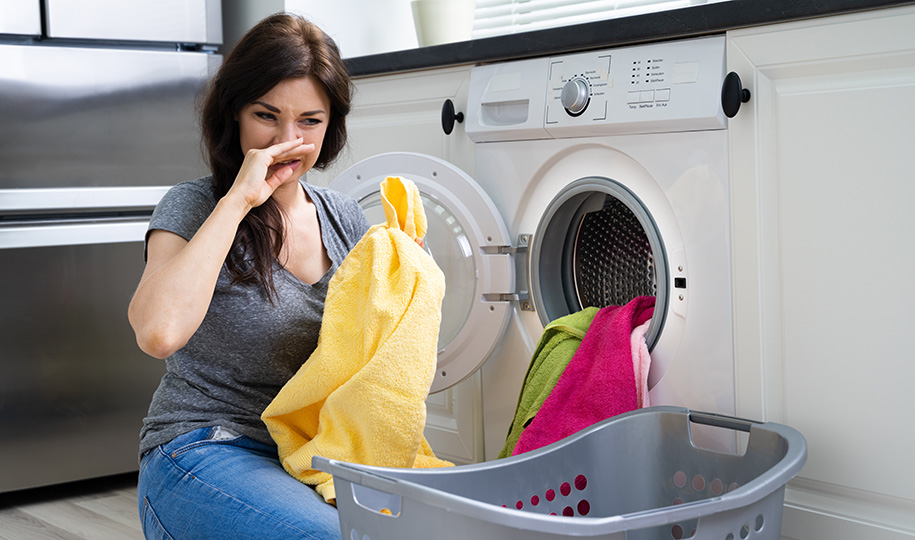
- Musty or moldy smells that transfer to clothes
- Rust forming on internal metal parts
- Damage to seals and electrical components
- Higher water bills from wasted water
Because this type of leak can be subtle, it’s essential to address it as soon as you notice it.
Common Causes of Water Dripping Inside a Washing Machine When Idle
When you notice a washing machine leaking water inside when it’s off, several issues could be at play. These are the most common ones:
1. Faulty Water Inlet Valve
The water inlet valve controls the flow of water into your washer. When you start a cycle, it opens to let water in and then closes to stop the flow. If the valve is worn out, stuck partially open, or clogged with mineral deposits, water can seep into the drum even when the machine is not in use.
Signs the inlet valve is the issue include:
- The water level in the drum slowly rises between cycles
- You hear a faint dripping or trickling sound when the washer is off
- The valve shows signs of corrosion or buildup
2. Malfunctioning Water Pressure Switch
The water pressure switch (or water level switch) communicates with the control board to tell the inlet valve when to close. If it fails, the valve may remain open longer than necessary or reopen when the machine is idle, causing a slow leak inside the drum.
3. Plumbing or Water Supply Issues
Sometimes the problem isn’t inside the washer at all. High household water pressure can push water past the inlet valve’s seal, even if the valve itself is functioning normally. Incorrect drain hose installation can also cause backflow from the plumbing into the washer.
4. Faulty Electronic Control Board
On modern washers, the control board manages the water fill process. If it malfunctions, it may send incorrect signals to the inlet valve, causing water to flow into the drum at the wrong time.
How to Troubleshoot a Leaking Washer
If a washer is leaking inside a drum not in use, follow these steps to narrow down the cause:
Step 1: Unplug the Washer
Before inspecting or touching any internal components, disconnect the washer from the power source for safety.
Step 2: Dry the Drum and Monitor
Wipe the drum dry with a towel, then leave the washer unused for several hours or overnight. If water reappears without running a cycle, the leak is happening when the washer is idle.
Step 3: Check the Water Inlet Valve
Turn off the shutoff valve at the washer and remove the hoses to inspect the valve for rust, cracks, or debris. Keep towels handy in case of water seepage. A worn valve will often allow water to pass through, even when the washer is off.
Step 4: Inspect the Water Pressure Switch
If the inlet valve looks fine, the water pressure switch may be the culprit. This part usually requires a multimeter to test for continuity. If you’re not comfortable with electrical testing, call a professional.
Step 5: Evaluate Plumbing Connections
Check your supply hoses and drain hose. Ensure the hoses are in good condition and that the drain hose is positioned according to the manufacturer’s guidelines. A hose inserted too far into the standpipe can cause water to siphon back into the drum.
Related: Learn how to install a washer drain pan to prevent water damage.
DIY Fixes for a Washing Machine Leaking Water Inside
Depending on what’s causing your washing machine to leak water inside, you may be able to fix it yourself. Here are tips on repairs you can make:
Replace the Water Inlet Valve
This is one of the most common repairs for a washing machine that is dripping inside. Replacement valves are widely available, and many homeowners can install them with basic tools. Follow these steps:
- Unplug the washer and turn off the water supply
- Remove the hoses connected to the valve
- Disconnect the electrical connections and mounting screws
- Install the new valve, reattach the hoses, and turn the water back on
Clean the Inlet Screens
If your inlet valve is clogged with mineral deposits, removing and cleaning the screens can help the valve close properly. Use a soft brush and vinegar to loosen buildup.
Adjust Household Water Pressure
If your water pressure is consistently above 80 psi, consider installing a pressure regulator. This can prevent water from pushing past the inlet valve seal.
Address Backflow Issues
Make sure your drain hose is installed according to the washer’s manual. A hose that’s too far into the standpipe can allow wastewater to flow back into the drum.
When to Call for Professional Help
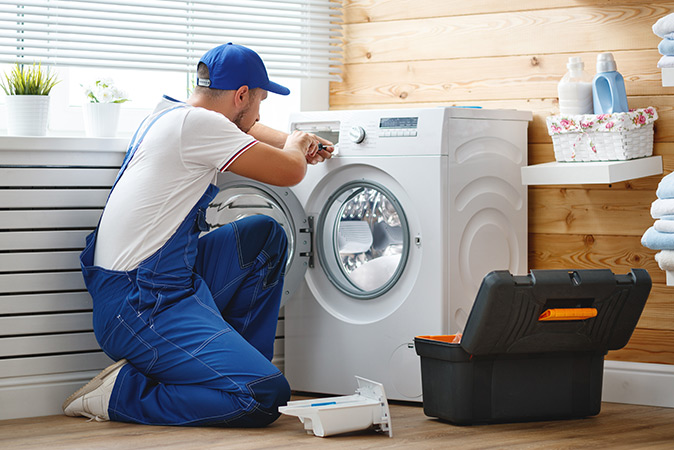
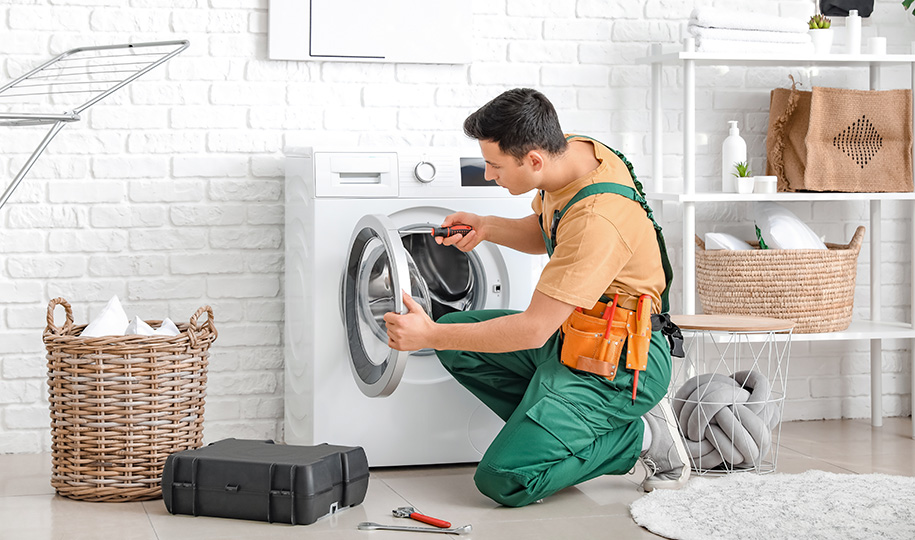
If your washer is leaking inside the drum when not in use, and you’ve already tried the steps above, then the problem may be beyond a simple fix. A technician can run advanced diagnostics, test electronic components, and replace faulty parts.
With a home warranty from First American, a prescreened service provider can diagnose and repair covered issues if your washing machine stops working.
Preventing Future Washer Leaks
Once you’ve fixed the issue, these tips can help keep your washing machine from leaking water inside:
- Turn off the water supply valves when you won’t be using the washer for a few days or longer.
- Clean inlet screens every few months to prevent sediment buildup.
- Avoid overloading the washer, as this can strain the valves and seals.
- Use high-quality hoses and replace them every 5 to 7 years to prevent leaks.
- Monitor for changes — act quickly if you hear unusual dripping sounds or see small amounts of water after the machine has been idle.
Protect Your Washer With a Home Warranty
If your washing machine stops working due to a covered problem, a home warranty from First American can help protect your budget. You’ll have access to First American’s network of prescreened service providers who can help with covered repairs and replacements. Plus, your coverage can extend to many other major appliances and home systems you use every day, allowing you to protect more than just your laundry room appliances.
Get a free quote today to learn about the peace of mind and budget protection that comes with comprehensive home warranty coverage.
The contents of this article are provided for general guidance only. First American Home Warranty does not assume any responsibility for losses or damages as a result of using this information.
Please be aware that if you disassemble a covered system or item, it can invalidate your home warranty or manufacturer's warranty.



Keep Reading


Home Care Buzz Experts
The First American Home Care Buzz team is made up of experienced home warranty writers and editors. Our team provides valuable insights and information to help homeowners like you meet the daily challenges of homeownership.
This article is about...