
How to Make an Offer on a Home: A Step-by-Step Guide
SEPTEMBER 13, 2024 | Home Care Buzz Experts | 6 minute read
The homebuying process takes a lot of time, patience, and work. You've likely been busy getting your ducks in a row: finding the right home, getting pre-approved, and gathering documents. Now it's time to make an offer. This step may seem as simple as having the real estate professional you've been working with reach out to the home seller or their representative with an agreed-upon price. However, there are some nuances to making an offer on a house that could affect the outcome of the sale — or whether it finalizes at all.
In this guide, we'll review the steps for making an offer in the most common homebuying scenarios and give you some tips on increasing the likelihood that the offer is accepted. We'll also provide some advice when problems arise, and it may be in your best interest to walk away from the deal.
Preparing to Make an Offer
To help you prepare for making an offer on the house, let's first review the steps you'll typically complete before making one:
- Get your financials in order
- Get preapproved for a loan
- Hire a real estate agent or REALTOR®
- Start house hunting
If you need more detailed information on these steps—and those that follow making an offer—take a look at our comprehensive homebuying checklist.
Related: If you haven't hired a real estate professional, check out our Real Estate Agent Tips.
How to Make an Offer on a House: Step by Step
Now, you're ready to begin the steps to making an offer on a house. Remember, you'll need to work closely with your real estate professional during the process. A good real estate agent or Realtor will also keep you informed and respond to your queries promptly and professionally. And even though you may be excited to purchase the home you want, a little patience during this period can go a long way.
Step 1: Decide on an Offer Price
By now, you've created a homebuying budget based on your available finances and gotten preapproved for a mortgage loan of a certain amount. Your next step is to sit down with your real estate agent to decide how much of that available money should be put forth in your initial house offer letter. Your agent will be a big help as you make your decision on an amount that isn't overpriced but gives you a good chance of your offer being accepted. However, there are still things that your agent will take into account that you should consider, too:
- The listing prices of similar homes in the same area
- Are there more buyers or sellers in the same market area
- How long the house has been listed on the market
- The average time houses in the area are being listed before being sold
- The age of the home and how many potential repairs are needed
A real estate agent uses their knowledge and experience to arrive at their recommended amount, but be sure you ask your agent to explain their process so you're both on the same page. For more tips on what can affect your offer amount, read our article, What to Look for When Buying a House.

Step 2: Determine Offer Contingencies
Even when you find the best way to make an offer on the house, and the process goes smoothly, there will usually be set contingencies on the offer. A contingency is a condition in the purchase agreement that allows each party to legally back out of the sale if a condition isn't met. This must be agreed upon by both parties. In the case of you, the buyer, it enables you to back out of the sale without losing your earnest money if the conditions the seller agreed to aren't met.
Multiple contingencies are often included in the purchase agreement, but they're not required, and too many can sour the seller about your offer. Here are some examples of the types of contingencies homebuyers include when making an offer on a home:
- The seller authorizes a title search as requested by the homebuyer
- The seller agrees to a home inspection or appraisal
- Both parties agree that the buyer will have a set amount of time to finalize their mortgage loan
- Both parties agree that the sale of the home should be finalized by a specific date
- The seller agrees that if the buyer can't manage to sell their current home by a specific date, the deal is void
Step 3: Approve the Amount of Earnest Money
Earnest money is a deposit made by the homebuyer that will eventually be used to pay closing costs and your down payment on the home. It's held in an escrow account until it's needed and is usually 1% to 3% of the home's total price. Earnest money is also called a good faith payment because it shows the seller that you're serious about buying the home and has the funds to do so. However, the actual percentage can vary depending on how much you want your offer to stand out from the rest and how much you can afford to deposit upfront.
Step 4: Submit Your Offer Letter
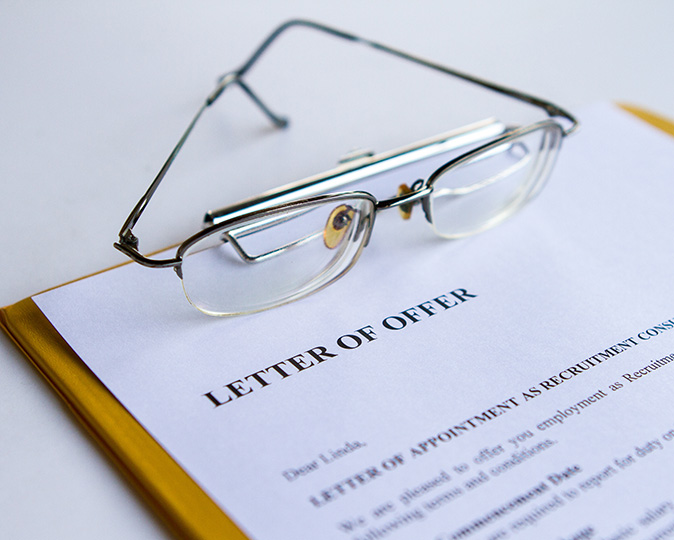
After you complete all your preparatory steps, your agent will use this information to submit the official house offer letter. In addition to the amounts and information covered in the previous steps, your agent can also include the following in the letter:
- Your name
- The seller's name
- The address of the property
- Requested repairs that are obvious before an inspection
- A request for an inspection
- Any items currently in the home you'd like included in the sale (furniture, appliances, and more)
- Required information you're requesting from the seller, with a deadline
- Details about who will pay closing costs
- Information about the escrow agent holding your earnest money
- A request that the title to the property be free and clear
- A letter of preapproval from your mortgage lender
- Your expectations of when you finalize the mortgage loan
- Who will pay brokerage fees
- A deadline for when the seller's agent should respond to your offer
- A deadline for when the sale should close
- A deadline for when you should receive keys to the property
Your house offer letter may detail more or fewer items depending on the situation, but your real estate agent will help you determine what's appropriate.
Step 5: Receiving a Response and Deciding Next Steps
Assuming that the seller's real estate agent has responded to the offer letter by the deadline, you will receive one of three responses: an acceptance, an outright rejection, or a counteroffer. Here’s more on what each response means:
- An acceptance of your offer means that you can sign a purchase agreement and move on to the closing process.
- A rejection typically implies that something about your finances didn't sit right with the seller, and there is nothing you can do to change their mind.
- If you receive a counteroffer, the ball is now in your court. You can accept the counteroffer outright and sign the purchase agreement, begin negotiations with your own counteroffer, or choose to walk away from the sale. If you decide to negotiate, the seller is likely to request a higher sale price, they wanted a higher earnest money deposit, or they disagreed with one of your contingencies.
For counteroffers, you need to sit down with your real estate agent and discuss whether you think the initial counteroffer is reasonable and if negotiating is worth your time. You can then decide what a practical but reasonable counteroffer would be based on the home's perceived value and your budget. This negotiation process can go back and forth until the buyer and seller agree, one party decides to walk away, or until the contingency deadline for closing the sale has been reached.
After the Offer
Now you know how to make an offer on a house! If your offer is (eventually) accepted by the seller and their agent, you will sign a purchase agreement stating that you and the seller agree to the terms of the offer. But there's still more to do before moving into a new home — namely, the home inspection and preparing for closing costs and overall process. However, the agreed-upon offer sets terms and conditions that can help make those steps a little easier and give you a solid footing while you move through the process. For more information on what you can expect after making an offer on a home, check out The Homebuyers Complete Guide to Real Estate Closing.
After all the work you’ve put in up to this point, consider protecting your investment with a home warranty. Coverage from First American can be added during your real estate transaction and can protect you from unexpected costs after you move in. Speak with your agent or get a quote today to learn more and start life in your new home with the peace of mind you deserve. You’ve earned it!
The contents of this article are provided for general guidance only. First American Home Warranty does not assume any responsibility for losses or damages as a result of using this information.


Keep Reading









Home Care Buzz Experts
The First American Home Care Buzz team is made up of experienced home warranty writers and editors. Our team provides valuable insights and information to help homeowners like you meet the daily challenges of homeownership.
This article is about...